Trees are felled, hedgerows are removed, and land is bulldozed without permission, often leaving residents shocked and unsure of how to respond.
Unauthorised land clearing UK refers to the removal of trees, hedgerows, or habitats without the necessary legal approvals required under environmental and planning laws. These rules exist to protect biodiversity, prevent flooding, and preserve spaces that benefit both wildlife and people. When ignored, the damage can be irreversible, affecting not only nature but entire communities.
Growing concern around unauthorised land clearing UK has led to increased reporting, regulatory investigations, and questions about accountability. In some cases, repeated or large-scale clearing has affected multiple residents at once, raising the possibility of collective or group action. Communities are increasingly asking whether shared environmental harm can be challenged together, rather than individually.
At LegalClaimPro, we help communities stay informed about environmental issues linked to unauthorised land clearing UK. We track developments in environmental enforcement, community action, and group claims, providing clear information to help individuals understand their rights and the steps that may be available next. Our focus is on awareness, transparency, and protecting the environments people rely on every day.
Unauthorised land clearing in the UK refers to the removal of trees, hedgerows, or habitats without the correct legal permissions. This can include clearing protected woodland, altering conservation areas, or disturbing vital wildlife zones without following the required approval process.
Even well-meaning work can cause harm if it’s done without proper oversight or during restricted periods. In some cases, unauthorised clearing is linked to hazardous waste dumping, where cleared land is later used to illegally dispose of toxic or harmful materials, posing further risks to the environment and public health.
Several UK laws govern unauthorised land clearing. These include the Forestry Act 1967, which requires a felling licence for most large-scale tree removals, and the Hedgerows Regulations 1997, which protect certain hedgerows from removal. The Wildlife and Countryside Act 1981 also safeguards Sites of Special Scientific Interest (SSSIs) and the habitats of protected species.
When these laws are ignored, the result is often long-term environmental damage and legal consequences. Unauthorised land clearing UK can lead to enforcement action, fines, and in some cases, calls for group legal claims when multiple people or areas are affected by the same unlawful activity.
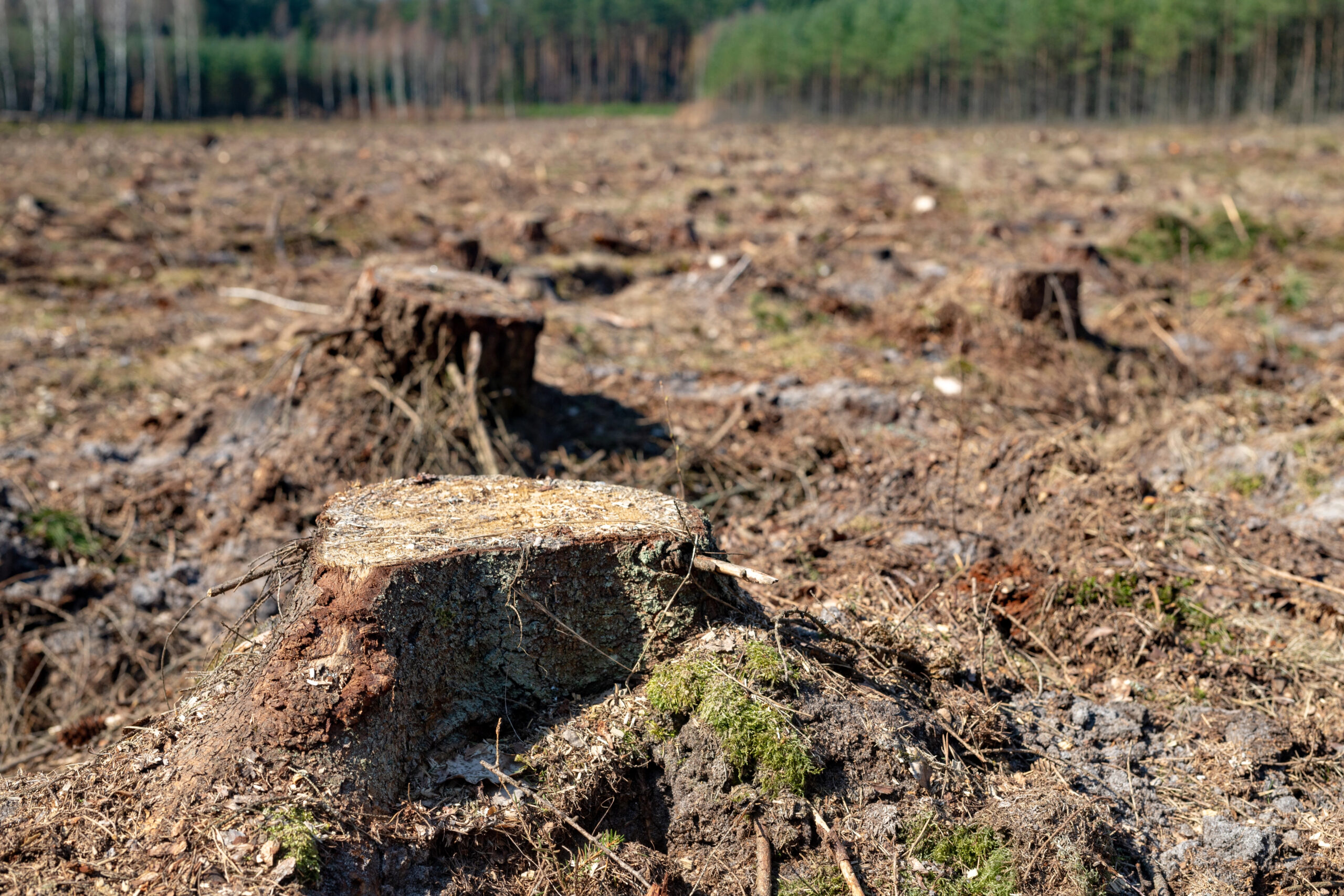
Unauthorised land clearing UK refers to the removal of trees, hedgerows, or natural habitats without the correct legal permission. This can involve cutting down woodland, clearing scrubland, or altering protected green spaces without approval from the relevant authorities. Even when landowners believe they are acting within their rights, unauthorised land clearing UK can still occur if required licences or planning permissions are missing.
In the UK, strict environmental laws exist to regulate land clearing due to its long-term environmental impact. Unauthorised land clearing UK is regulated through legislation such as the Forestry Act, hedgerow protections, and wildlife conservation laws. These rules are designed to protect biodiversity, prevent flooding, and preserve landscapes that support both people and wildlife. Failing to comply with these legal requirements can result in severe environmental harm and legal repercussions.
Unauthorised land clearing UK is not limited to large-scale deforestation. It can also include removing hedgerows, flattening grassland, or clearing areas that serve as habitats for protected species. Even small-scale clearing can disrupt ecosystems, damage soil stability, and remove vital food or nesting areas for wildlife. In many cases, the damage caused by unauthorised land clearing UK cannot be easily reversed.
Some cases of unauthorised land clearing UK happen quietly or outside regular working hours, making it difficult for communities to intervene in time. By the time residents notice the activity, trees may already be gone or habitats destroyed. This lack of visibility often leaves communities feeling powerless and unsure where to report what they have seen. Early awareness is key to preventing further harm.
When unauthorised land clearing UK affects shared spaces or protected areas, the impact is rarely felt by just one person. Loss of green space can affect entire neighbourhoods, increase flood risk, reduce air quality, and harm local wildlife. These shared consequences are why concerns about unauthorised land clearing UK increasingly raise questions about collective action and accountability.
Unauthorised land clearing UK can take many forms. Some cases involve large-scale tree removal, while others happen in protected areas or at sensitive times of year. Understanding what this looks like in practice can help communities recognise and report it early.
One of the most common examples of unauthorised land clearing UK is the cutting of trees without a felling licence. Under the Forestry Act, the removal of most large-scale trees requires approval. When licences are ignored, habitats are lost, soil becomes unstable, and the risk of erosion and flooding increases. Mature trees often take decades to regrow, if they return at all.
Conservation areas are protected due to their environmental, cultural, or historical significance. Unauthorised land clearing in the UK in these areas can involve bulldozing green space, removing rare plants, or disturbing wildlife without obtaining planning permission. The consequences include legal fines, community backlash, and long-term ecological loss. These areas are safeguarded for a reason.
Hedgerows provide vital shelter for birds, bats, pollinators, and small mammals. When they are cleared between March and August, the nesting season, entire ecosystems are disrupted. This type of unauthorised land clearing in the UK often kills young birds, displaces species, and damages biodiversity. Even trimming hedgerows during this time is subject to restrictions.
If clearing work begins without visible planning notices, licences, or ecological assessments, it may be a sign of unauthorised land clearing in the UK. Many operations occur over weekends or evenings, making it more challenging for local authorities to respond. When transparency is missing, the risk of unlawful activity rises significantly.
Unauthorised land clearing in the UK sometimes targets areas that serve as wildlife corridors, spaces where animals use to move safely between habitats. Clearing these areas severely disrupts essential links, reduces mating chances, and leaves animals isolated. The damage is often invisible at first but grows over time.
Unauthorised land clearing in the UK is not just an environmental concern; it’s a serious threat to community well-being, public safety, and biodiversity. When natural spaces are removed without legal oversight, the consequences can ripple far beyond the cleared site.
Many species in the UK depend on woodlands and hedgerows to survive. When unauthorised land clearing in the UK destroys these habitats, animals such as bats, dormice, and nesting birds are left without shelter or food. Some may die out locally, while others struggle to relocate. These losses are often permanent.
Unauthorised land clearing in the UK can also result in the elimination of rare and native plants. Some species require specific soil, shade, and moisture conditions to grow, conditions that are often disrupted once trees or hedgerows are removed. Regrowth may never happen, leading to a decline in plant diversity and the loss of valuable ecosystems.
Trees and vegetation help anchor soil and absorb rainwater. When they are removed through unauthorised land clearing in the UK, rainfall runs off more quickly, increasing the risk of local flooding and landslides. Soil becomes loose and erodes, damaging nearby land and polluting waterways.
Woodlands act as natural air filters and carbon sinks. Their removal contributes to climate change, air pollution, and the loss of natural buffers against extreme weather. Unauthorised land clearing in the UK weakens local climate resilience, leaving communities more vulnerable to rising temperatures and severe storms.
Green spaces are not just for wildlife; they support mental and physical health, community connection, and learning. When unauthorised land clearing in the UK strips away parks, footpaths, or nature reserves, it deprives people of vital places to walk, reflect, and engage with nature. The loss affects everyone, especially children and older adults.
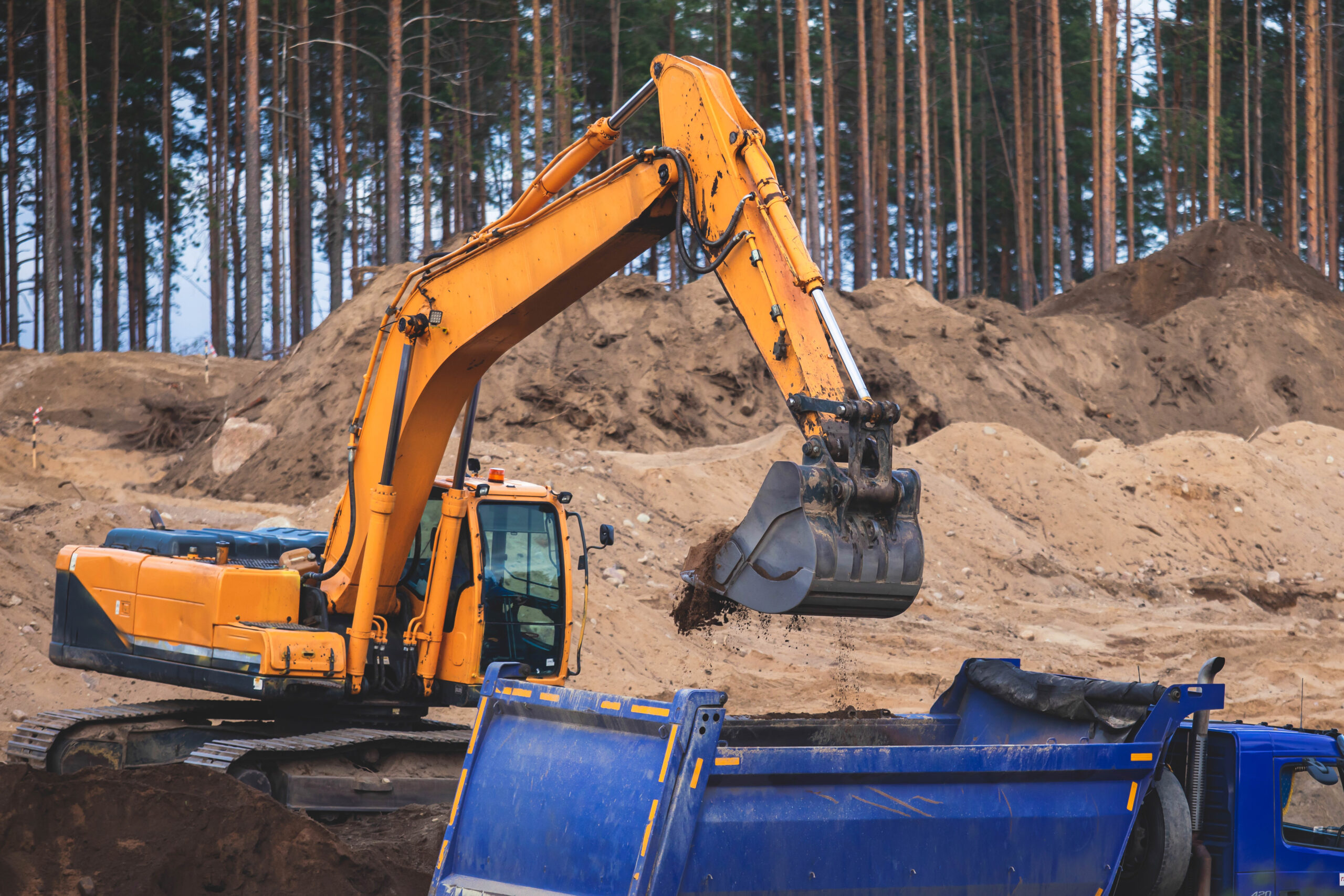
Unauthorised land clearing in the UK can happen quickly and often without public warning. But there are early indicators that can help residents spot illegal activity before severe damage is done. Recognising these signs is key to protecting local green space and wildlife.
One of the most obvious red flags is the absence of a felling licence or planning notice. Large-scale work, especially involving tree removal, should display clear signage showing permission has been granted. If there’s no sign posted near the worksite, it may indicate unauthorised land clearing in the in the UK.
Unusual timing can also be a concern. If land is cleared in the evening, on weekends, or during public holidays, it may indicate an attempt to evade detection or inspection. Many cases of unauthorised land clearing in the UK have occurred outside standard working hours, limiting the public’s ability to intervene.
Another warning sign is activity during bird nesting season, particularly from March to August. Clearing hedgerows or trees during this period is restricted by law. If work is happening at this time, especially without visible ecological assessments, it may be in breach of legal protections.
Be aware of the lack of protective measures for nearby wildlife, waterways, or footpaths. Unauthorised land clearing in the UK often occurs without safeguards, such as tree protection zones or barriers around sensitive areas. If workers seem to be ignoring these responsibilities, it's worth investigating.
Community feedback can also be revealing. If neighbours, walkers, or local groups raise concerns or mention that permission has not been granted, this could be a sign that the clearing.
Even without specialist training, we can take meaningful steps when we believe unauthorised land clearing is taking place in the UK. Acting early helps prevent permanent environmental damage and strengthens the case for investigation or legal action.
Start by documenting what you observe. Take photos or videos from a safe distance, noting the date, time, and location of the activity. Include details such as machinery used, workers on site, and whether any signs or licences are visible. This evidence may be vital later if unauthorised land clearing in the UK is confirmed.
Next, report the issue to your local authority. Most councils have planning enforcement teams that handle potential breaches of planning regulations. You can also contact the Forestry Commission if trees are involved, or Natural England if protected species or habitats may be affected. Mention clearly that you suspect unauthorised land clearing is taking place in the UK.
It’s also helpful to speak with others in the area. Neighbours, walkers, or conservation groups may have noticed the same activity or already made reports. Sharing observations can lend more weight to your concerns and help clarify whether permission was granted.
If appropriate, you can submit your account to a local environmental group or national body focused on land use and nature protection. Multiple reports from different sources often strengthen the case for investigation. Some community-led groups may also be tracking repeat offenders or looking into potential class actions.
By working together, communities can prevent unauthorised land clearing in the UK before it causes lasting damage. Whether it’s through reporting, documentation, or raising awareness, every action helps protect local green spaces, wildlife, and public interest.
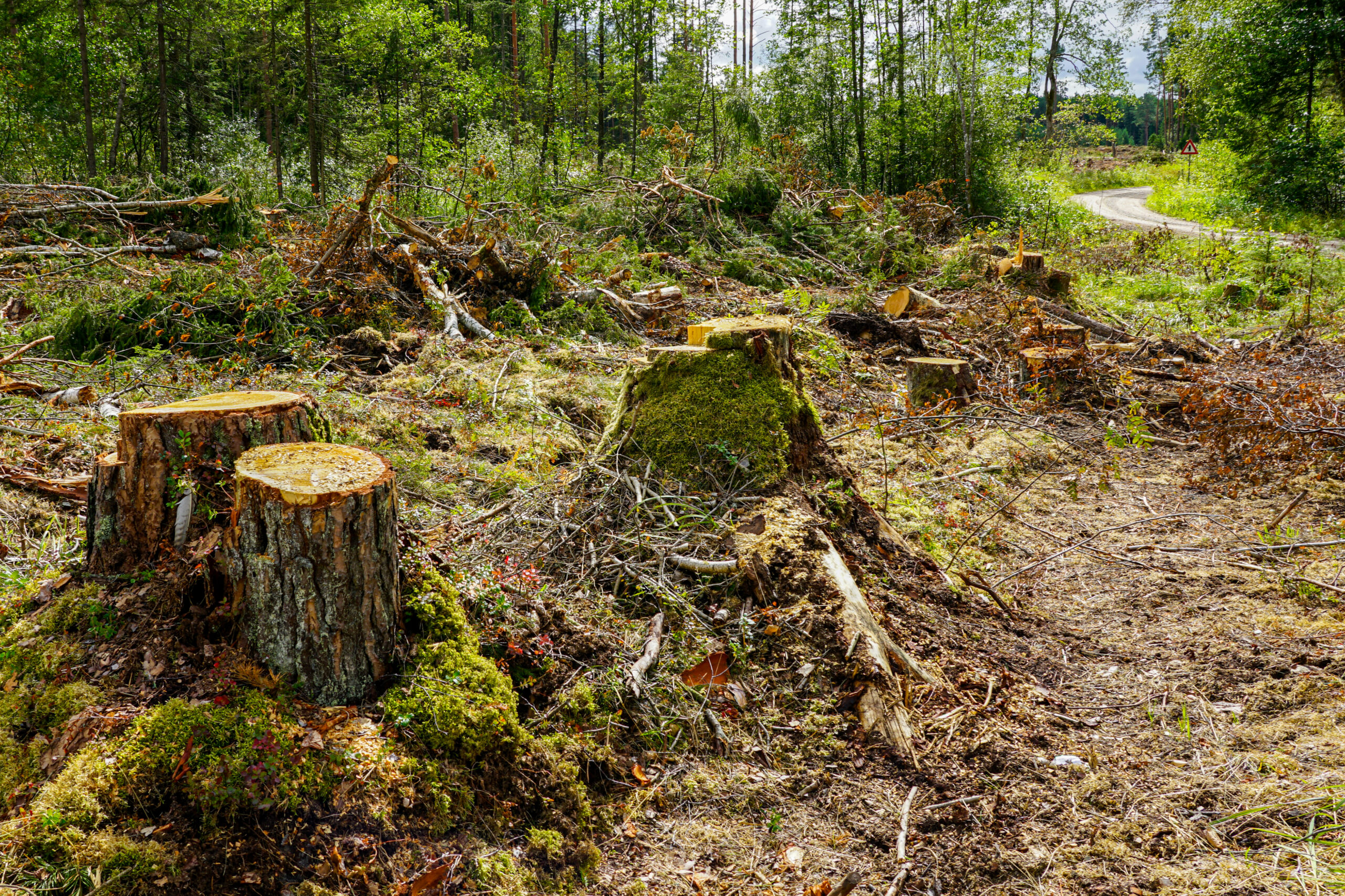
Unauthorised land clearing in the UK doesn’t just affect trees, it affects communities, ecosystems, and our shared future. When natural spaces are damaged or destroyed without permission, the consequences ripple outward: wildlife disappears, soil erodes, and green areas once used for walking, learning, or well-being are lost. These impacts are not easily repaired, and sometimes recovery is impossible.
Communities often feel powerless when they discover that clearing has already taken place. But recognising the signs and understanding the laws allows us to act sooner. Whether it’s reporting a suspected breach, raising awareness, or joining a broader movement, people do have options. Awareness is the first step toward protection.
In cases where unauthorised land clearing in the UK causes collective harm, such as habitat loss, flooding, or disruption to public green spaces, group action may be appropriate. These situations are not just environmental breaches; they’re shared losses that affect entire neighbourhoods. Legal mechanisms, such as class actions or group complaints, may help restore balance and ensure that those responsible are held accountable.
At LegalClaimPro, we help people stay informed about their rights in environmental matters. We provide clear information about the laws surrounding unauthorised land clearing in the UK, and we track developments that could lead to group action. We aim to make the legal landscape more straightforward to understand, and to help communities feel empowered, not overwhelmed.
If you’ve witnessed or been affected by unauthorised land clearing in the UK, you don’t have to stay silent. Whether you’re unsure if the work was permitted or want to learn what others are doing in response, there are steps you can take today. Awareness is powerful, and often the beginning of change.
Begin by examining the signs of illegal clearing and identifying what to document. If you’re concerned, report the issue to your local authority and discuss it with others who may have witnessed the same activity. You can also find out whether a more comprehensive investigation or group claim is already underway.
Want to learn more about your rights, protections, and how others are responding to unauthorised land clearing in the UK?
Explore our group claims and environmental legal resources; they’re free to access, pressure-free, and built to help you understand your next step with confidence.
Unauthorised land clearing in the UK refers to the removal of trees, hedgerows, or habitats without the proper legal permissions. This includes felling trees without a licence, clearing land in conservation areas, or disturbing the habitats of protected species. Even small-scale clearing can be illegal if it breaches environmental regulations or happens during restricted seasons.
Local councils typically handle enforcement, the Forestry Commission, and Natural England. These bodies have the power to investigate, issue fines, and take legal action. They rely on reports from the public to catch early or hidden cases of unauthorised land clearing in the UK.
Yes. Even legally approved projects can lead to environmental harm if safeguards are not followed. For example, failing to protect nearby wildlife or carrying out work during nesting season could still breach conditions. Unauthorised land clearing in the UK encompasses not only illegal actions but also failures to adhere to agreed-upon restrictions.
You can report it to your local council’s planning or enforcement team, or contact the Forestry Commission if trees are involved. Include photos, dates, and as much detail as possible. The earlier a report is made, the better the chance of preventing lasting damage.
In some cases, yes, especially if the damage impacts multiple people or a community as a whole. Shared harm from unauthorised land clearing in the UK, such as habitat destruction or increased flood risk, may be grounds for a collective claim. LegalClaimPro tracks these developments and provides updates on potential group actions.
Legal and Consumer Guidance Notice
The content on this page is provided by LegalClaimPro, a Mediatasks brand. It is intended for general informational purposes only and is written for UK consumers seeking to understand group and class action claims. LegalClaimPro does not offer legal advice, and no lawyer-client relationship is created by viewing or interacting with this content. While we aim to keep our information accurate and up to date, readers should seek qualified legal guidance for advice specific to their situation. Mediatasks accepts no liability for actions taken based on this content.
Please note: LegalClaimPro is a trading name of Mediatasks Limited, a company registered in England and Wales, with number 08556369, and registered office at 9 The WorkStack, 599 Woolwich Road, London SE7 7GS. We are not a law firm. We connect individuals with law firms for group claims and may receive a fee from these firms.
We do not charge consumers or provide legal advice. We are not responsible for the advice given by any firm we connect you with. Information on this site is for general purposes only and should not be considered legal advice. Professional legal advice should always be sought independently. By using this site, you agree to this. If you disagree, please do not use our site. For Free Legal Advice, visit the Law Society website, the independent professional body for solicitors in England and Wales.
