Hazardous waste dumping is a growing public danger that is now driving serious claims and, in many cases, class action investigations.
This threat arises when toxic materials, such as industrial chemicals, contaminated sludge, solvents, pesticides, or heavy metals, are disposed of in locations that were never designed or approved to handle hazardous materials safely.
When hazardous materials end up in the wrong place, entire communities suffer the consequences. These violations put public health at risk, pollute ecosystems, and leave residents facing long-term cleanup burdens they never created.
One isolated incident may spark concern, but repeated complaints about hazardous waste often point to deeper systemic misconduct. When multiple households or neighbourhoods report similar harm, those individual claims can escalate into coordinated inquiries and, in some cases, full environmental class action lawsuits.
At LegalClaimPro, we work to identify these patterns of hazardous material violations and help communities understand how personal claims of harm can come together to support powerful, collective class action efforts.
Hazardous dumping refers to the illegal or unsafe disposal of harmful materials that can pose a threat to human health or harm the environment. These substances are meant to be processed through authorised facilities that are specially designed to treat, contain, and manage them safely.
When hazardous materials are disposed of in rivers, abandoned industrial sites, open land, or other unauthorised locations, the risk of contaminating soil and water increases rapidly. These toxins do not simply go away with time. They remain in the air, on the ground, and in water, often causing severe and long-lasting harm.
Unauthorised land clearing can also contribute to hazardous dumping. When land is illegally cleared for development or waste storage, it often removes the natural barriers that help protect ecosystems. These disturbed sites may then be used to dump waste illegally, worsening the environmental damage and increasing the risk of toxic exposure to nearby communities.
The damage often builds up slowly and without explicit warning. Entire communities can be exposed for years before they understand what is affecting their health or local environment.
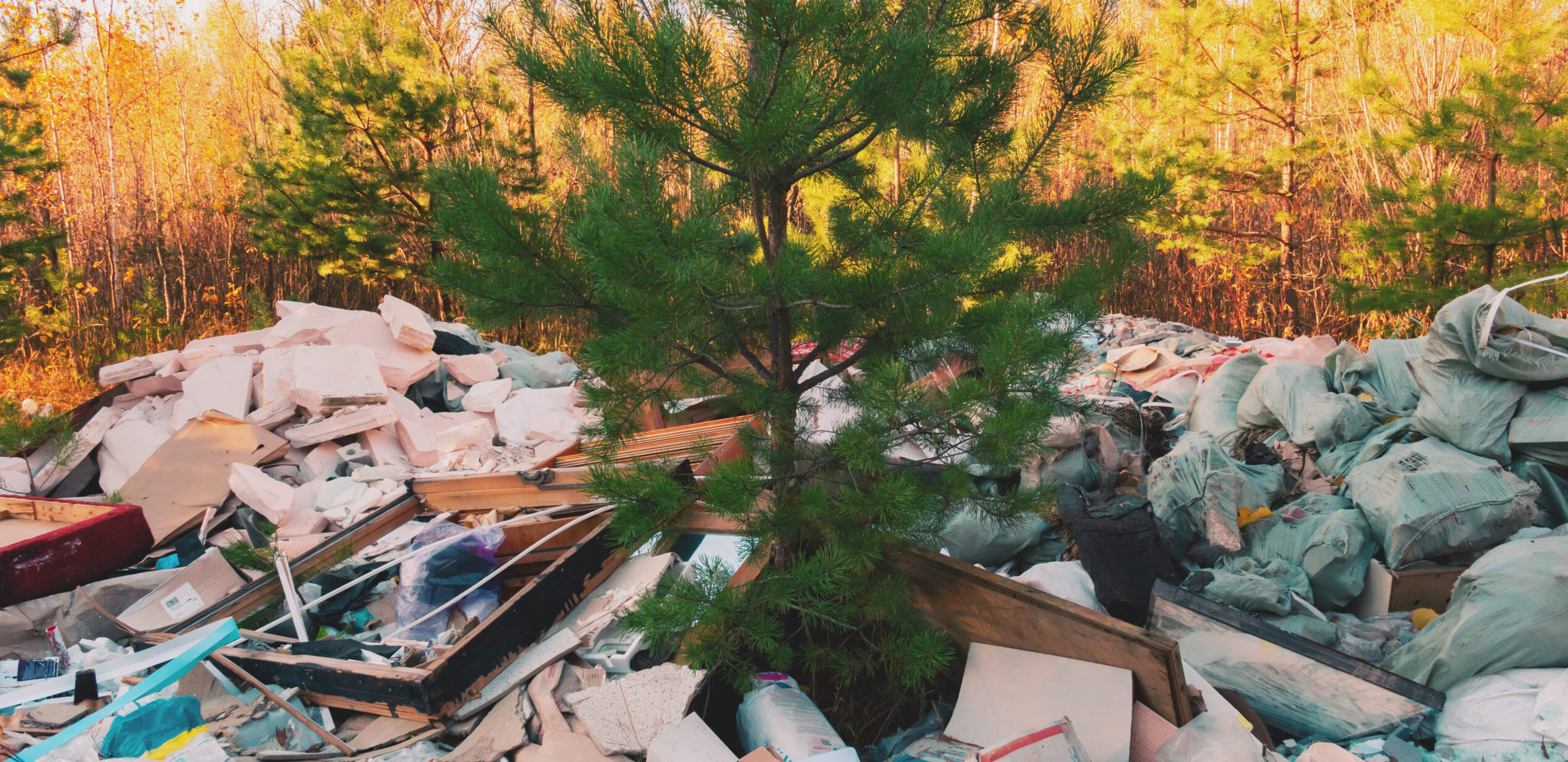
Hazardous trash dumping often remains hidden until its effects become apparent in daily life. While we may not immediately associate unusual smells, persistent health issues, or changes in the environment with hazardous material exposure, these warning signs are often linked.
Our water supply is frequently the first place where hazardous substance contamination becomes noticeable. Strange odours, unusual tastes, murky appearance, or unexplained changes in water pressure or clarity may indicate that a dangerous substance is seeping into local groundwater. These early signs often require proper testing to confirm the presence of a toxic substance.
When many people in the same community begin experiencing similar health problems, such as respiratory conditions, unexplained skin irritation, chronic headaches, fatigue, or neurological symptoms, hazardous substance exposure may be a contributing factor. Over time, clusters of unusual illnesses or elevated cancer rates can emerge, prompting further investigation into nearby material dumping practices.
Local ecosystems often react quickly to hazardous waste pollution. Sudden declines in wildlife, fish kills in rivers or lakes, unusual algae growth, or crop failures may all indicate that dangerous waste has contaminated surrounding soil or waterways. These environmental signals frequently appear before the full human health impacts become visible.
Improper hazardous waste disposal affects far more than the immediate site of disposal. When hazardous waste is released into the environment, its impact extends to our health, natural resources, and the long-term economic stability of our communities. Hazardous waste does not remain contained; it moves through soil, water, and air, affecting anyone who lives or works nearby.
Exposure to hazardous waste can trigger both immediate symptoms and long-term illnesses. Toxic waste materials are linked to respiratory problems, neurological issues, skin irritation, and chronic conditions that may take years to develop fully. In many affected communities, unusual clusters of illness raise concerns about ongoing exposure to hazardous waste. Children face greater risks because their growing bodies are more vulnerable to toxic waste contaminants.
Hazardous waste can quickly harm the environment when it is improperly dumped or stored. Toxic waste chemicals contaminate soil, pollute groundwater, and damage ecosystems that support plant and animal life. When hazardous waste affects farmland, crops may fail or become unsafe for consumption. Pollution in rivers, lakes, or wetlands disrupts wildlife and creates long-lasting ecological imbalance.
The economic effects of hazardous waste contamination are often severe. Property values decline when toxic waste affects neighbourhoods or water supplies. Communities may face costly cleanup efforts that can last for decades. Businesses tend to avoid areas associated with hazardous waste dumping, which limits job opportunities and slows local economic growth. These financial burdens linger long after the original waste disposal occurred.
Repeated hazardous waste violations often occur when companies choose to prioritise cost savings over lawful disposal. Proper hazardous waste management is expensive, and some businesses deliberately dump waste illegally to avoid paying for approved treatment facilities. Others use loopholes in regulations or operate with minimal internal oversight, creating ongoing opportunities for improper waste disposal.
In many cases, hazardous waste violations escalate when companies pressure employees to ignore safety protocols or when monitoring systems fail to detect repeated dumping. When waste disposal rules are not enforced internally, unsafe waste practices become part of daily operations rather than rare exceptions. Over time, hazardous waste violations multiply because no one intervenes early to correct the misconduct.
Eventually, patterns of hazardous waste dumping reveal that these incidents are not isolated mistakes but symptoms of deeper systemic issues. Repeated waste violations show a breakdown in corporate responsibility, regulatory compliance, and environmental stewardship. When communities notice ongoing contamination, unusual odours, or recurring health issues, these warning signs often point to long-standing hazardous waste problems that require investigation and potential legal action.

Community action often begins when we notice unusual smells, contaminated water, unexplained illnesses, or visible environmental damage associated with hazardous pollution. At first, each of us may raise individual complaints. Still, when many residents experience similar harm from the same issue, those concerns become far more challenging to dismiss.
Environmental class actions typically emerge when a large group of people suffers the same type of harm from the same hazardous source. By joining together, affected communities strengthen their ability to demand accountability, push for remediation, and highlight broader environmental risks that might otherwise be overlooked.
Environmental class actions often arise when individual concerns reveal a larger pattern of harm. When repeated violations, widespread exposure, or a lack of corrective action affect entire communities, these issues escalate beyond isolated complaints. At this point, collective legal action becomes one of the strongest ways to hold responsible parties accountable and seek meaningful remedies.
Class actions gain significant momentum when we uncover a pattern of ongoing misconduct involving hazardous waste. Repeated dumping incidents strongly suggest negligence or intentional disregard for environmental law, making collective legal action more compelling.
When entire neighbourhoods experience similar harm, such as health issues, property damage, contaminated drinking water, or repeated environmental decline, the problem becomes clearly systemic. Widespread impact strengthens the argument for a unified legal remedy.
If regulators or companies fail to act after warnings, fines, or community complaints, a class action may be the only practical way for residents to pursue justice. A lack of meaningful corrective action signals that voluntary compliance is not.
Environmental class actions do more than secure compensation—they force companies to confront the real consequences of hazardous garbage mismanagement. When legal action reveals unsafe waste handling or repeated waste violations, industries must reassess their operations. Many respond by investing in safer systems, upgrading equipment, and enforcing stronger internal compliance to prevent further harm.
These cases also reveal weaknesses in the monitoring and enforcement of waste regulations. When class actions uncover long-standing issues that regulators failed to address, agencies often have no choice but to tighten oversight, strengthen inspections, and impose stricter penalties on companies that mishandle hazardous materials.
By taking action together, communities play a direct role in reshaping how industries manage trash. Class actions help push companies toward safer, more responsible practices, ensuring that future generations are better protected from hazardous risks and environmental damage.
Some class actions are resolved relatively quickly. Others can take much longer, sometimes a few years. That’s not because things are going wrong, but because legal processes move slowly, especially when many people are involved.
If that sounds tiring, don’t worry. You won't have to manage the process when you’re part of a class action through us. The legal team handles the paperwork, negotiations, and court appearances. You’ll receive updates when something important happens; no need to chase for news or check in constantly.
In the meantime, life carries on as usual. Being part of a class action doesn’t mean adding loads of admin to your to-do list. It just means you’ve added your name to a collective effort for fairness.
Hazardous dumping poses a threat to our health, our environment, and the long-term stability of our community. While a single incident can raise concern, repeated hazardous waste violations often reveal deeper structural issues that require a coordinated response.
Environmental class actions allow affected communities to challenge harmful waste practices, hold companies accountable, and advocate for stronger protections. At LegalClaimPro, we help residents understand how repeated violations develop, how these issues may lead to class-action lawsuits, and what steps individuals can take when they suspect exposure to hazardous waste.
If you believe hazardous dumping has impacted your health, property, or community, you don’t have to navigate the situation alone. Explore our free resources, check your eligibility, and learn whether you may qualify to join an environmental class action. Taking the first step today can help protect your rights — and the future of your community.
Hazardous waste includes toxic chemicals, solvents, pesticides, heavy metals, industrial byproducts, and medical waste, any material that poses a risk if mishandled.
When several people in our community report similar symptoms, it may indicate exposure to a common environmental factor. Medical evaluations and environmental testing help establish connections.
Yes. Environmental class actions can address decreased property values, cleanup costs, and ongoing contamination issues.
These cases vary, but many take months to several years due to their complexity and the evidence required.
No. You only need to suspect contamination. Our legal team can help assess your situation and gather necessary evidence.
Legal and Consumer Guidance Notice
The content on this page is provided by LegalClaimPro Limited, a company registered in England and Wales, with registration number 16907238. It is intended for general informational purposes only and is written for UK consumers seeking to understand group and class action claims. LegalClaimPro does not offer legal advice, and no lawyer-client relationship is created by viewing or interacting with this content. While we aim to keep our information accurate and up to date, readers should seek qualified legal guidance for advice specific to their situation. LegalClaimPro accepts no liability for actions taken based on this content.
Please note: LegalClaimPro is a trading name of Mediatasks Limited, a company registered in England and Wales, with number 08556369, and registered office at 9 The WorkStack, 599 Woolwich Road, London SE7 7GS. We are not a law firm. We connect individuals with law firms for group claims and may receive a fee from these firms.
We do not charge consumers or provide legal advice. We are not responsible for the advice given by any firm we connect you with. Information on this site is for general purposes only and should not be considered legal advice. Professional legal advice should always be sought independently. By using this site, you agree to this. If you disagree, please do not use our site. For Free Legal Advice, visit the Law Society website, the independent professional body for solicitors in England and Wales.
