Going home early isn’t always a sign of recovery. It can mean that warning signs were missed, aftercare wasn’t explained properly, or serious complications were yet to be revealed. In many cases, patients end up back in the hospital, sometimes in critical condition.
Hospitals are under pressure to free up beds, manage staff shortages, and reduce costs. But when discharge decisions are rushed, the consequences can be severe.
Some patients and families are left asking: Was this avoidable? And in some cases, they pursue a medical negligence claim to determine the cause.
LegalClaimPro examines the causes of premature discharges, the risks they entail, and the steps individuals affected can take to address the issue.
A discharge decision is not a simple logistical step; it is a medical judgment with lasting consequences. We must thoroughly evaluate each patient, communicate clearly, and ensure they have the necessary support for a safe recovery.
When we discharge patients early, we may overlook vital warning signs that could indicate a more serious condition. Infections may not yet be visible, internal complications may not have fully developed, and patients may lack sufficient guidance on aftercare.
These situations raise concerns about hospital practices and, in some cases, lead to legal action. Because of this, we must strike a balance between efficiency and our primary responsibility: patient safety.
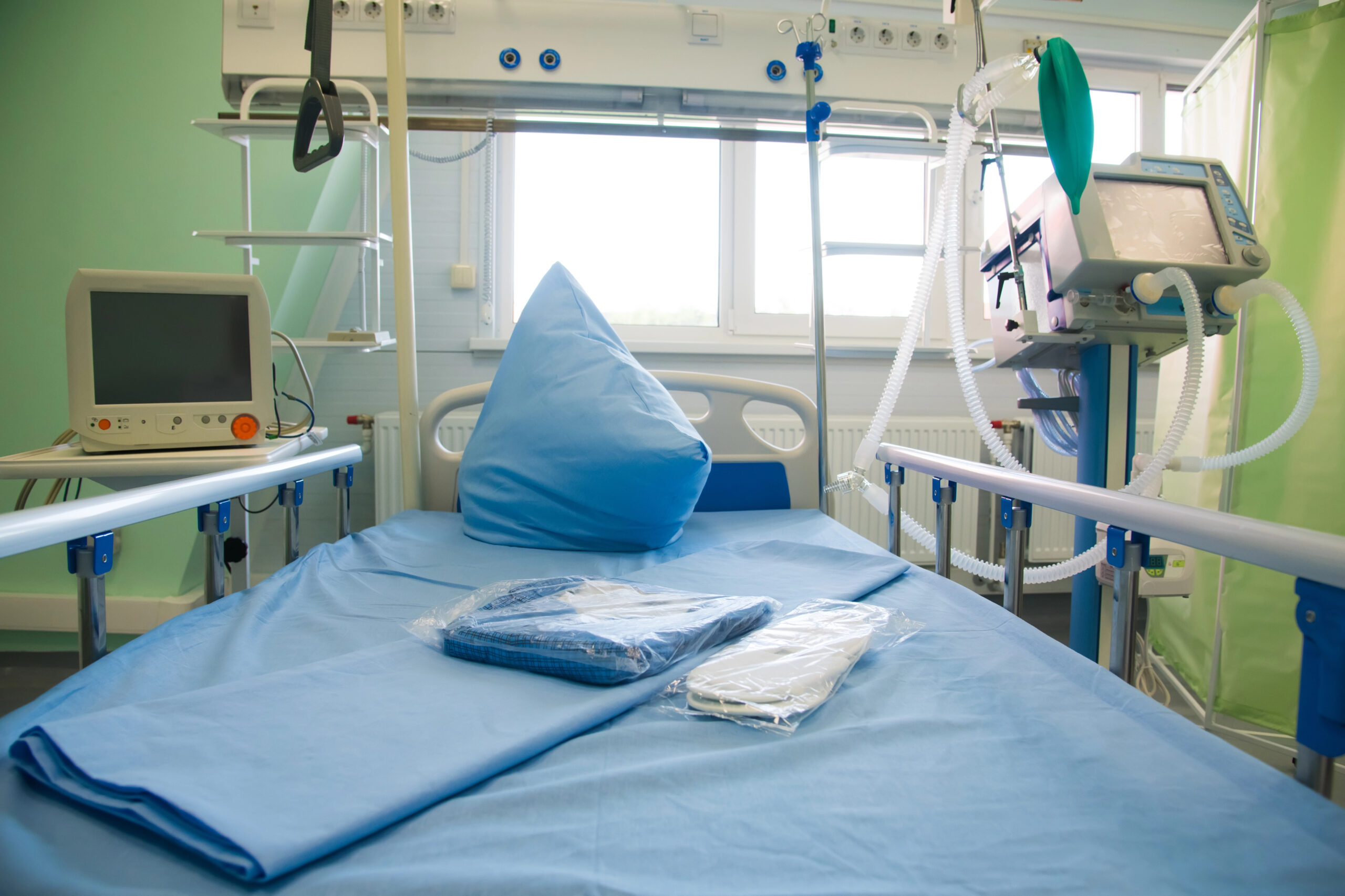
We do not always make discharge decisions solely on medical grounds. Hospitals operate under constant pressure, balancing limited resources against high patient demand.
These systemic challenges can push us to discharge patients prematurely, jeopardising patient outcomes and increasing the risk of medical negligence claims. Some of the most common pressures include:
Emergency departments and wards often operate under immense pressure to free up beds. This pressure can lead us to discharge patients before they are fully ready, to make room for others awaiting admission.
Managing patient flow becomes a constant balancing act, and incoming emergencies can necessitate speeding up bed turnover. This pressure creates a domino effect: early discharges increase readmission risks and contribute to further congestion.
In healthcare systems driven by insurance or budget constraints, shorter hospital stays may align with financial goals. While this reduces expenses, it increases risk if we discharge patients prematurely.
Hospitals may face penalties for extended stays or receive incentives for faster discharges, creating tension between cost efficiency and patient care. Patients may leave thinking they are ready, only to face complications that become more costly, medically and financially, in the long run.
Staffing shortages can also affect discharge timing. When nurses and doctors work under intense pressure, we often have limited time to properly assess a patient’s readiness.
Without thorough observation, we risk missing subtle warning signs. Over time, chronic understaffing creates a cycle of rushed care in which premature discharge becomes more common.
Seasonal surges, such as flu outbreaks or pandemics, increase the strain on hospitals. During these periods, we may adopt accelerated discharge processes, which heighten the risk of patient harm.
In crisis mode, we may prioritise urgent cases, sending home patients who would benefit from additional monitoring. Although understandable during emergencies, these decisions can have serious consequences.
When we release patients earlier than medically appropriate, the risks extend far beyond inconvenience. Premature discharge can interrupt recovery, expose patients to preventable dangers, and sometimes lead to life-threatening emergencies.
These consequences affect not only patients and families but the wider healthcare system.
Early discharge can mean underlying issues go undetected. Patients may go home while infections or injuries progress unnoticed. For example, surgical site infections often appear days after discharge, and internal bleeding may not reveal itself without continued monitoring.
If we do not closely observe patients, we increase the likelihood that complications will progress to dangerous levels before anyone notices.
Discharging patients too early often leads to higher readmission rates. Patients may return in deteriorated condition, requiring emergency care, new medications, or even repeat surgeries.
This cycle is distressing, costly, and burdensome for families, placing additional pressure on hospitals.
Without proper observation, serious complications such as sepsis, pneumonia, or internal bleeding may develop. These hazards pose a significant risk to elderly or vulnerable patients.
For example, sepsis can escalate rapidly, leading to organ failure within hours. In some instances, a link exists between such outcomes and medical negligence claims.
Premature discharge can leave patients and families feeling abandoned or unsupported. Managing recovery at home without proper guidance creates anxiety and undermines trust in the healthcare system.
Some patients later avoid seeking help due to fear of early discharge, worsening their health outcomes.
The discharge process often feels rushed, which is why patient awareness and advocacy are essential for a safe transition home. When patients understand their instructions, they can better manage recovery and feel more confident.
Encouraging patients to ask questions—about medication, wound care, diet, or mobility—helps prevent confusion once they leave. We should also ensure they understand follow-up appointments, support services, and who to contact if problems arise.
Recognising red-flag symptoms, such as fever, unexpected pain, or difficulty breathing, empowers patients and carers to act quickly.
While clinical decisions remain our responsibility, informed patients and families provide an additional safeguard that can reduce the risk of complications and readmission.

Not every early discharge constitutes malpractice, but certain failures can raise serious questions about negligence. These failures sometimes lead patients to explore legal options, including determining their eligibility for medical malpractice claims.
We may contribute to risk when we rush or skip established discharge guidelines. Investigations often reveal that incomplete checks, missed symptoms, or unreviewed test results played a role.
For example, a patient with undiagnosed internal bleeding may appear stable but could deteriorate within hours of going home. When we fail to conduct thorough evaluations, we compromise patient safety.
Incomplete instructions on medication, wound care, or follow-up needs can also put patients in immediate danger. Families may feel unprepared to manage recovery, especially in vulnerable populations.
Institutional practices may contribute as well. When hospitals prioritise efficiency over safety, systemic negligence can emerge. High readmission rates sometimes reveal deeper organisational failings rather than isolated errors.
In these cases, we must ask whether the patient was genuinely ready for discharge—or whether operational pressures outweighed their well-being.
The effects of premature discharge extend beyond individual patients. Frequent readmissions add to already heavy caseloads, and patients who return in worse condition often require more intensive care.
Such readmissions increase strain on emergency departments, slow patient flow, and contribute to persistent overcrowding.
Treating complications—such as infections or surgical issues—is often far more expensive than keeping patients for appropriate monitoring and treatment. Premature discharges may undermine short-term cost savings by creating long-term financial burdens for hospitals and insurers.
Communities may also lose trust when they feel hospitals prioritise efficiency over safety. Patients who feel rushed out of care often share their experiences, which can affect public perception and discourage others from seeking necessary treatment.

Early discharge from hospital, mainly when driven by pressure rather than patient readiness, poses a significant risk to health and well-being. When hospitals prioritise bed space or financial targets over thorough care, patients may suffer worsening conditions, emergency readmissions, and preventable harm.
These outcomes don't just affect individual patients; they reveal broader issues in hospital systems under strain. In many cases, they also raise serious questions about whether medical negligence has occurred, prompting some patients and families to seek justice through legal claims.
At LegalClaimPro, we shine a light on hospital practices that may contribute to group claims. We believe it's vital to understand how premature discharge, even when common, can have long-term consequences. Hospitals must remain accountable for decisions that affect patient safety, and systems must be designed to protect people, not just processes.
If you or a loved one has been affected by an early hospital discharge, LegalClaimPro offers tools and information to help you understand your rights. You may not be alone, and taking action could help improve standards across the healthcare system.
Do you think you or someone close to you was discharged from the hospital too soon? You’re not alone, and support is available.
At LegalClaimPro, we help you understand your rights and explain what steps you can take if early hospital discharge caused harm. It’s simple to check if you might be eligible to join a group claim. There’s no cost and no pressure.
Take the first step today. Check your eligibility in minutes.
If we suspect a premature discharge, we should document symptoms, gather discharge instructions, and seek urgent medical advice. When appropriate, we can speak with legal professionals to evaluate whether negligence played a role.
We assess whether the patient developed complications that proper monitoring could have prevented. We also review medical records, timelines, and clinical decisions to determine if staff acted below acceptable standards of care.
Yes. Even if the patient recovered, a premature discharge can still cause avoidable pain, stress, financial loss, or additional medical treatment. We may still have grounds to pursue a negligence claim.
We typically review hospital records, discharge notes, test results, and follow-up documentation to ensure comprehensive care. We also consider patient or family statements, as well as any evidence of complications that may have arisen after discharge.
In most cases, we must bring a claim within a set legal time limit—usually three years from when we first realised negligence may have occurred. We always encourage early action to preserve evidence and protect our rights.
Legal and Consumer Guidance Notice
The content on this page is provided by LegalClaimPro Limited, a company registered in England and Wales, with registration number 16907238. It is intended for general informational purposes only and is written for UK consumers seeking to understand group and class action claims. LegalClaimPro does not offer legal advice, and no lawyer-client relationship is created by viewing or interacting with this content. While we aim to keep our information accurate and up to date, readers should seek qualified legal guidance for advice specific to their situation. LegalClaimPro accepts no liability for actions taken based on this content.
Please note: LegalClaimPro is a trading name of Mediatasks Limited, a company registered in England and Wales, with number 08556369, and registered office at 9 The WorkStack, 599 Woolwich Road, London SE7 7GS. We are not a law firm. We connect individuals with law firms for group claims and may receive a fee from these firms.
We do not charge consumers or provide legal advice. We are not responsible for the advice given by any firm we connect you with. Information on this site is for general purposes only and should not be considered legal advice. Professional legal advice should always be sought independently. By using this site, you agree to this. If you disagree, please do not use our site. For Free Legal Advice, visit the Law Society website, the independent professional body for solicitors in England and Wales.
