These are linked to industrial activity, unlawful waste disposal, and breaches of environmental management standards. In many areas, this has included air pollution, water contamination, and illegal dumping—sometimes involving toxic chemicals and other environmental hazards.
We’ve seen documented examples of environmental harm where pollution has contaminated safe drinking water, exposed residents to hazardous waste, and caused health issues associated with long-term exposure to toxic materials or poor air quality. Experts studying these events have framed them within the broader contexts of environmental justice, environmental law, and public health, with a focus on accountability and remediation.
Under UK legal frameworks, including environmental protection and civil rights law, individuals and communities affected by environmental hazards have brought forward claims. In some cases, these have developed into class action lawsuits, where multiple claimants pursue legal action together. Examples include claims related to industrial spills, chemical plant emissions, and improper disposal of hazardous waste.
Hesitation due to a lack of clear information can cause you to miss crucial class action deadlines. At LegalClaimPro, we ensure you know how to take action confidently.
From a legal and regulatory perspective, we understand environmental harm as pollution or degradation of land, air, or water caused by corporate activity or negligence.
This harm can occur in various ways, ranging from large-scale industrial incidents to prolonged low-level exposure. Under UK ecological law, damage to land, air, or water due to pollution, hazardous waste, or inadequate environmental protection has formed the basis for numerous legal claims and class actions.
In environmental harm and environmental justice cases, we’ve seen the claims process involve investigation, risk assessment, and expert analysis to determine the scale and source of harm. These cases often rely on complex scientific evidence and collaboration with environmental health specialists to assess ecological burdens. Class actions, in particular, have enabled affected groups to consolidate resources and seek collective remedies for widespread injustice.
Legal teams may review environmental harm impact assessments, historical pollution records, and evidence of regulatory breaches such as non-compliance with the Clean Air Act or Clean Water Act. Case records have shown instances where companies allowed toxic waste to enter our waterways, failed to uphold air quality standards, or emitted unregulated pollutants from chemical facilities.

In our work examining these issues on environmental harm, we’ve seen communities face large-scale hazards, including toxic pollution, coal ash contamination, and exposure to “forever chemicals.” The outcomes of related legal claims vary—some end in settlements or compensation. In contrast, others conclude with court rulings favouring the defendant.
Experts have established clear links between environmental exposure and health impacts, including respiratory conditions associated with air pollution and chronic illnesses resulting from toxic or chemical exposure. Depending on the scale, these issues can fall under national or even international environmental law.
Environmental harm and justice cases often expose unequal distributions of environmental burdens. We’ve followed legal actions that highlight ecological injustice and environmental racism—cases where specific communities bear a disproportionate share of environmental harm. Courts typically evaluate such claims using risk assessments, expert testimony, and principles of ecological law to determine liability and breaches of environmental protection duties.
The environmental harm justice movement, along with public health research, continues to shed light on long-term threats, such as PFAS (forever chemicals), and the dangers of hazardous waste storage and disposal. Legal proceedings frequently cite the Clean Water Act or Environmental Protection Agency standards when establishing responsibility.
When multiple claimants experience similar environmental exposure, courts may authorise group claims or class action lawsuits. These collective efforts have addressed issues ranging from pollution control failures to breaches of environmental protection regulations, ensuring that the principles of ecological law are applied fairly and transparently to safeguard both environmental and community health.
Environmental harm, specifically air pollution from industrial activity. We’ve reviewed cases where factories released dust, fumes, and chemical odours into surrounding areas. Courts later examined these incidents under environmental regulations after linking them to toxic exposure. They often called expert witnesses to assess the potential health impacts of the pollutants involved.
Water contamination from chemical runoff. We’ve seen legal actions arising from the contamination of local drinking water supplies caused by the discharge of factory waste, improper waste management, or runoff from industrial sites. These cases often raised human rights and public health concerns and, in some jurisdictions, involved complex discussions about the statute of limitations for environmental negligence claims.
Illegal dumping of hazardous waste. We’ve also come across cases of dumping of dangerous substances near residential areas, public parks, or water sources. Such actions are associated with significant health disparities. Environmental scientists and agencies, including the Office for Health Improvement and Disparities, have frequently provided expert evidence in these matters.
Noise pollution from continuous industrial operations. In several instances, we’ve found that unregulated noise levels from industrial sites disrupted nearby residential communities. Although noise pollution is often assessed separately from chemical exposure, some legal proceedings have considered both together when determining overall liability and the combined impact on health and well-being.
Loss of land quality due to chemical spills. We’ve encountered court records indicating that the soil in affected areas became unsuitable for agriculture or residential development following chemical spills or other environmental hazards. These cases often required detailed ecological assessments and long-term remediation plans.
In our experience, many people affected by these issues are not immediately aware that their situation might qualify for a legal claim. It isn’t always necessary to prove personal injury or financial loss. Often, evidence of environmental damage and exposure is enough to support a case under nuisance or public protection laws.
Suppose we notice long-term changes in air, water, or soil quality near my home, or receive a public notice about contamination in the area. In that case, we understand that we have options available to us. Environmental organisations can help us, and others, pursue accountability and seek compensation when environmental harm affects entire communities.

When environmental damage occurs, we understand that responsibility usually falls on the organisation or operator that caused the pollution. The pollutant could be a factory, a waste management company, or an industrial site whose activities led to air, water, or land contamination. Under UK environmental law, companies are required to follow strict regulations on waste disposal, emissions, and land use to prevent avoidable harm.
From what we’ve seen in case records, investigations often focus on whether the company complied with environmental permits, carried out proper risk assessments, and took reasonable steps to minimise harm. Regulators and courts may review pollution data, compliance records, and evidence to determine whether the business has failed to meet its duty of care. In many cases, failures in monitoring or safety procedures are key to proving negligence.
When individuals bring forward environmental claims, they don’t have to investigate on their own. Legal teams gather critical evidence such as:
● Ecological risk assessments and pollution reports
● Records of regulatory breaches or permit violations
● Expert testimony linking exposure to health or property damage
If the evidence shows that a company breached its obligations, environmental law determines its liability and potential compensation. Courts consider both direct harms, such as health issues or property loss, and broader impacts, including community displacement or long-term ecological damage.
We realise that these legal principles mirror other areas of civil law: the central questions are always whether there was a breach of duty of care, whether harm resulted, and whether proper safeguards could have prevented it. In environmental class actions, this often means holding polluting companies accountable for failing to avoid foreseeable risks.
One case that stands out to us involved a community living near an industrial site where years of poor waste management led to serious soil and water contamination. Over time, residents began reporting health problems and declining property values, which triggered a regulatory investigation.
Evidence showed that the company had released hazardous materials into the environment and had failed to comply with safety requirements. Affected households joined together to file a group claim, arguing that the pollution caused lasting harm to their health and quality of life. Ultimately, the case resulted in compensation for many residents and led to stricter oversight of the company’s operations.
This case illustrates how environmental class actions can empower entire communities to seek justice when corporate negligence leads to widespread harm. Courts typically review expert reports, regulatory findings, and personal testimony before deciding on compensation or remedial measures.
In our view, environmental claims—like other areas of law—centre on a few key questions:
Did the company meet its legal duties?
Did its actions create avoidable risks?
And what were the real-world impacts on affected communities?
By focusing on these principles, environmental class actions help ensure that polluters are held accountable and that justice extends not only to individuals but also to the ecosystems and communities that depend on a healthy environment.
In our experience, environmental protection in legal claims involves comprehensive risk assessments. It relies on major environmental laws such as the Clean Air Act and Clean Water Act. These frameworks address exposure to hazardous chemicals, coal ash, and forever chemicals, while also considering the public health impacts of pollution and climate change.
We’ve seen how these cases often explore issues of ecological injustice and the unequal burdens faced by particular communities. They also examine connections between industrial pollution, sustainable development, and civil rights, highlighting the vital role of social justice in environmental enforcement.
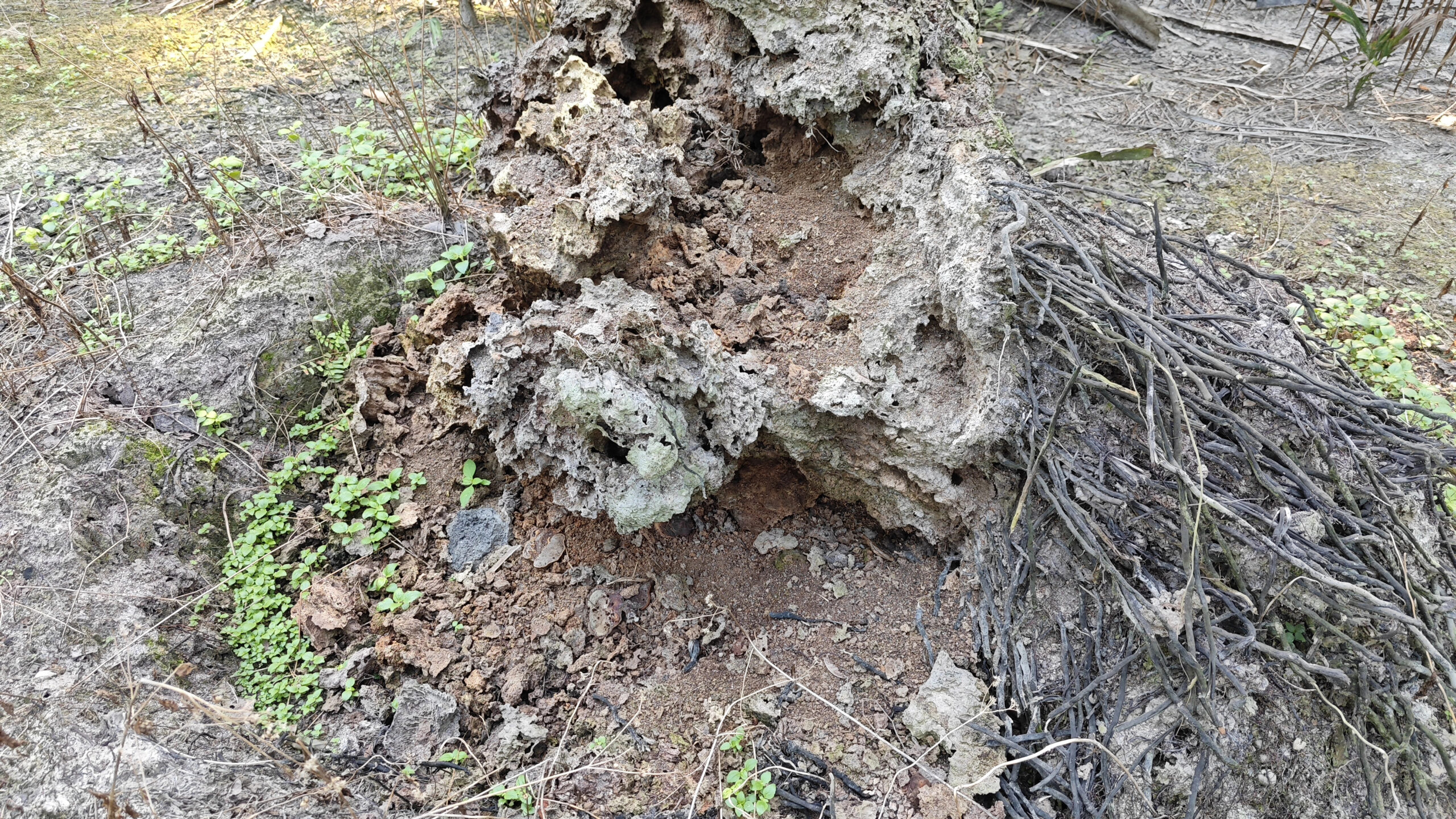
Under UK law, we understand that environmental harm can form the basis for both financial and non-financial loss claims. In past cases, claimants have sought compensation for physical health problems, emotional distress, property damage, and loss of use of land.
An environmental class action lawsuit allows multiple individuals affected by the same pollution or hazard to pursue a claim collectively. Legal teams usually handle evidence collection, document filing, and court representation, while claimants confirm key details and provide proof of harm.
Regulatory agencies such as the Environmental Protection Agency (EPA) play an enforcement role in cases involving coal ash, chemical plant emissions, and toxic waste. Court records indicate that many proceedings involve risk assessments and legal reviews under the Clean Air Act and the Clean Water Act. Some cases also address ecological injustice, racial inequality, and health disparities in communities disproportionately exposed to environmental harm.
The environmental justice movement has drawn attention to these wider social justice and civil rights dimensions. Legal proceedings often assess ecological exposure, risk, and health impact, while also considering broader implications for sustainable development and climate change mitigation. Each case focuses on documenting harm, evaluating evidence, and applying statutory and case law to determine accountability and fair outcomes.
From what we’ve seen in environmental law, misinformation has often shaped how people understand their rights. We used to think that minor pollution incidents didn’t count as environmental harm, but in reality, there is a link between low-level pollution and health risks. It can form the basis of a valid claim.
Court records and legal filings in environmental harm justice cases reveal that even minimal pollution, such as low-level air contamination or chemical exposure, can have discernible effects on health and the environment. During proceedings, risk assessment reports have often documented connections between exposure to toxic chemicals, hazardous waste, and potential long-term ecological and public health consequences.
In several cases involving environmental injustice, legal teams have explored whether environmental racism, climate change, or the unequal distribution of ecological risks contributed to health disparities or civil rights violations. Evidence has also included findings on air quality, clean water standards, and environmental protection measures under frameworks like the Clean Air Act, Clean Water Act, and international environmental law.
Class action lawsuit records within the environmental justice movement show that collective claims have addressed issues involving hazardous chemicals, industrial pollution, and toxic exposure from chemical plants and coal ash sites. In many of these cases, courts have relied on expert testimony, environmental risk reports, and scientific evidence to determine whether there was significant ecological harm or whether remediation or compensation was required.
Based on previous cases, we’ve learned that participants in environmental class actions usually receive regular updates from their legal team. The legal team might ask me to confirm specific factual details or provide brief information about my situation. Still, our direct involvement will generally remain limited.
In many cases involving air pollution, hazardous waste, coal ash, or industrial contamination, legal teams have managed court appearances, prepared documents, and communicated with agencies such as the Environmental Protection Agency. Claimants are rarely required to appear in court or complete complex paperwork. Some participants have even chosen to withdraw before later stages, while risk assessments and evidence collection continued.
This process allows individuals like us to stay informed while the legal team manages the litigation. Suppose we believe we’ve been affected by environmental harm. In that case, the most critical first step is to keep detailed records of any changes to my health, property, or local environment. Legal professionals can then advise us on whether my experience qualifies for inclusion in a group or class action claim.
We simplify the process of checking eligibility and joining group claims for affected consumers. The process is straightforward, accessible, and free of initial costs. Consumers receive comprehensive support and regular updates throughout the entire claim process.
With Legalclaimpro, checking your eligibility is straightforward and secure. Consumers can easily confirm their qualification and join the group claim quickly. Acting promptly provides consumers with the best opportunity to recover their money effectively.
Environmental damages not only degrade our planet but also affects our health and future generations. We are dedicated to empowering you with knowledge and resources to hold polluters accountable through legal channels, advocating for effective environmental remediation.
Legal and Consumer Guidance Notice
The content on this page is provided by LegalClaimPro Limited, a company registered in England and Wales, with registration number 16907238. It is intended for general informational purposes only and is written for UK consumers seeking to understand group and class action claims. LegalClaimPro does not offer legal advice, and no lawyer-client relationship is created by viewing or interacting with this content. While we aim to keep our information accurate and up to date, readers should seek qualified legal guidance for advice specific to their situation. LegalClaimPro accepts no liability for actions taken based on this content.
Please note: LegalClaimPro is a trading name of Mediatasks Limited, a company registered in England and Wales, with number 08556369, and registered office at 9 The WorkStack, 599 Woolwich Road, London SE7 7GS. We are not a law firm. We connect individuals with law firms for group claims and may receive a fee from these firms.
We do not charge consumers or provide legal advice. We are not responsible for the advice given by any firm we connect you with. Information on this site is for general purposes only and should not be considered legal advice. Professional legal advice should always be sought independently. By using this site, you agree to this. If you disagree, please do not use our site. For Free Legal Advice, visit the Law Society website, the independent professional body for solicitors in England and Wales.
