For many people, it’s not just an environmental issue, but something that affects everyday life.
Contaminated land can result from old industrial activity, inadequate waste management, or pollution that has accumulated over decades. It can impact soil, water, and even the air around your home.
Recent analysis by environmental data firm Groundsure reveals that approximately 3% of UK properties, roughly 768,000 homes, may be affected by contaminated land. That’s hundreds of thousands of households potentially living with risks they can’t see.
When health or property value is at stake, more communities in the UK are turning to class actions. These group claims allow people to come together and hold polluters or authorities accountable for contaminated land. Class actions in the UK can give residents a stronger voice and a more straightforward path to hold those responsible accountable.
If you’re worried about contaminated land near your home, we’re here to help you understand your rights and options. You can check whether your situation might fit within a group claim and see where you stand.
We don’t always see it straight away, but there are signs that the land around us may be contaminated. Some of us have noticed chemical or petrol-like smells coming from the soil, drains, or gardens. These strange odours can indicate pollution hidden beneath the surface, an early warning that something isn’t right.
In other cases, we’ve seen dark or oily patches in the soil, or rainbow-coloured films on water collecting in the garden. Some of us have struggled to grow plants in certain areas or watched them die for no apparent reason. These may all be indicators of contaminated land, especially if they’re happening across multiple homes in a neighbourhood.
When concerns like this arise, class actions in the UK are helping communities raise their voices together. If multiple households are experiencing the same issues, a coordinated legal response can help identify the cause and promote accountability. Class actions in the UK have also enabled residents to report health concerns, such as recurring headaches, skin irritation, or breathing problems, that may be linked to long-term exposure to contaminated land.
We’ve also learned to watch for physical clues, such as rusty pipes, old oil drums, or leftover industrial waste, near properties. Many modern homes are built on land that was previously used for factories, waste sites, or other forms of heavy industry. Even if the area appears safe today, harmful substances may still be present underground.
Understanding these early signs is the first step. If others in your community are facing similar problems, you’re not alone. If you’re concerned about contaminated land, you can use our free eligibility check to understand your options.
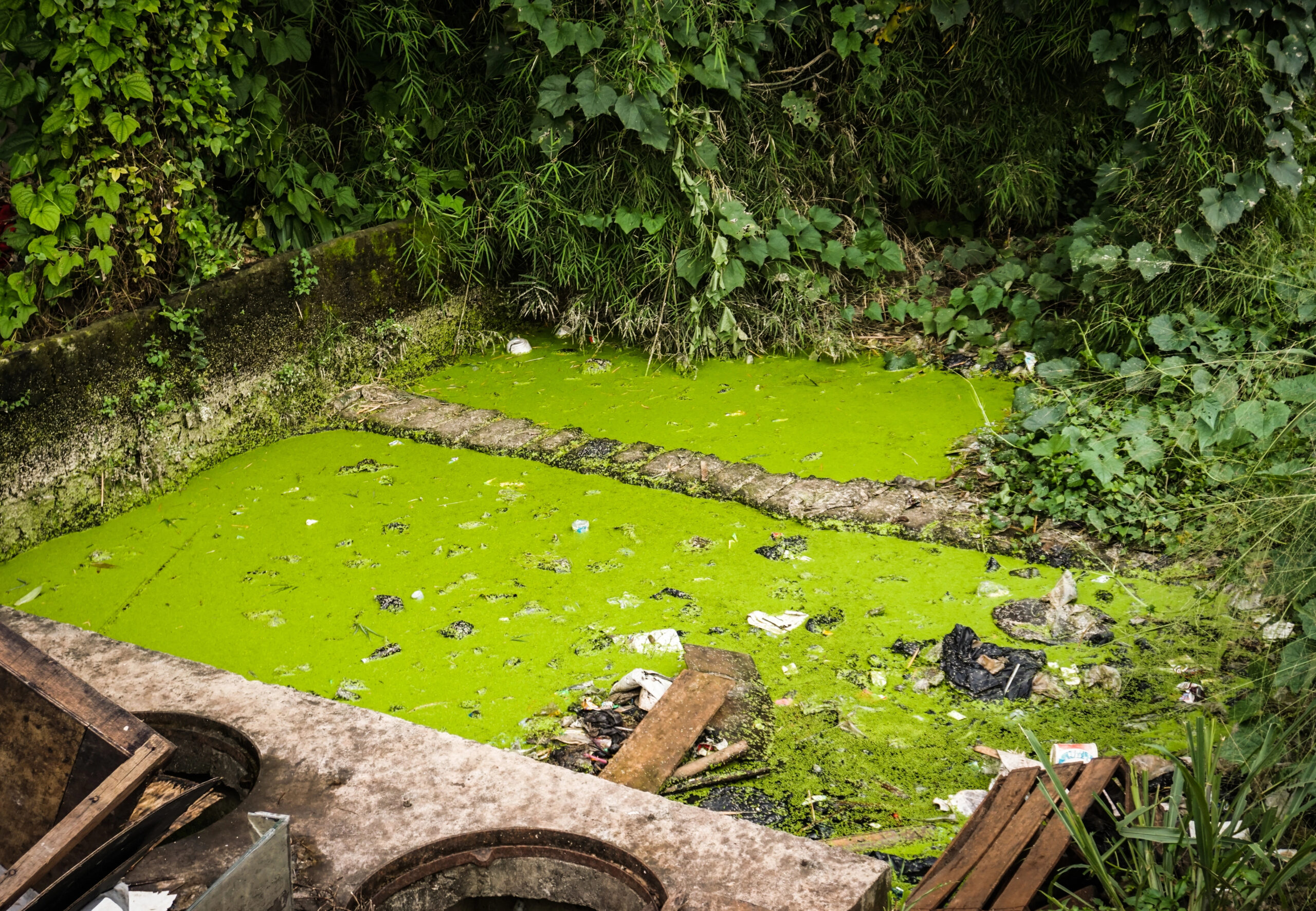
Living on or near contaminated land may have implications for the environment, health, and property value.
We may not always see, smell, or feel it right away, but contaminated land can have a profound yet subtle impact on our health and well-being. Toxic substances, heavy metals, or harmful chemicals in the soil, dust, or water around our homes can pose serious risks over time. Even without strong smells or apparent signs, contaminated land can still impact us, especially when we’re gardening, walking barefoot, or simply spending time outdoors.
We know that children, older adults, and people with underlying health conditions are often more vulnerable. Breathing in dust or particles from contaminated land can irritate the lungs and exacerbate conditions such as asthma or allergies. Coughing, wheezing, chest tightness, or breathlessness might be caused by what’s beneath our feet.
Those of us living near old industrial sites or former waste grounds may even notice poor air quality indoors or unexplained mould-like smells. Dry or windy days can exacerbate the issue. Contaminated land can also affect our skin. Some of us experience red, itchy, or painful rashes after gardening, digging, or letting children and pets play outside. In some cases, exposure to certain chemicals in the soil or water has triggered allergic reactions or flare-ups of conditions like eczema.
We’ve also heard from people who experience frequent headaches, dizziness, or ongoing fatigue. These symptoms may not always be linked to contaminated land at first, but when they ease after time away from home, it raises questions about the local environment.
Contaminated land can even impact how we eat and how we feel after eating. Polluted water or homegrown vegetables grown in contaminated soil may lead to nausea, stomach pain, or other digestive issues. Young children and pets can be especially at risk if they swallow small amounts of soil or water while playing.
Long-term exposure to certain pollutants, such as lead, asbestos, or industrial solvents, can carry more serious health risks. These are more common in places once used for heavy industry, chemical processing, or fuel storage. We may not be told about this history until much later.
If you’re noticing these kinds of issues in your area, or if several households are concerned, it might be time to explore your options. You can determine whether your experience may be related to a broader issue by completing a free eligibility check.
Soil contamination poses not only potential health problems but can also affect the wider environment. It may have a significant impact on a property's value, insurability, and the ability to sell or renovate, creating financial and legal challenges for both homeowners and landlords.
One common concern is a decline in property value. Homes built on or near contaminated soil may sometimes be valued lower than comparable properties in other areas. When environmental searches or council records officially record pollution, it can reduce a property's market value, even if no immediate problems are visible.
Buyers often avoid purchasing properties that involve long-term risks or clean-up responsibilities.
Selling a property in such circumstances can also be more difficult. When soil testing, a property survey, or a legal search reveals contamination, some potential buyers may withdraw from the process altogether.
Mortgage lenders may also be reluctant to finance properties located on polluted land, making it harder for buyers to secure a loan and leaving sellers at a disadvantage. Even the possibility of future costs can deter interest in properties associated with known contaminated sites.
Insurance presents another challenge. Some insurers may hesitate to cover homes near former industrial sites, landfills, or areas flagged as environmentally at risk. This hesitation can result in higher premiums, limited coverage, or, in some cases, outright refusal of insurance.
Specific policies may also exclude damage linked to soil contamination, such as mould remediation or gas leaks, leaving homeowners to absorb the costs if issues arise.
Building or renovation projects may also face obstacles.
A council can delay or reject planning applications for extensions, conservatories, or driveways if the land is subject to environmental review. Property owners may be required to carry out soil testing or commission reports before any work is approved, adding unexpected time and cost.
In some cases, contractors and developers may refuse to work on contaminated plots altogether due to health and liability concerns.
When an area is officially flagged as "at risk," the effects rarely stop at one doorstep. Entire neighbourhoods can feel the strain as property values drop and the area becomes less attractive to buyers, investors, or developers.
Reduced demand can stall regeneration projects and discourage new families from moving in, leaving once-thriving communities struggling to maintain growth.
Local businesses often feel the pressure too. Shops, cafés, and service providers rely on foot traffic and consumer confidence, but when an area is associated with contamination, people may think twice about spending time there. This dip in economic activity can lead to closures, job losses, and a decline in the local economy.
Over time, the stigma associated with contamination can have lasting effects. Even if land is remediated or declared safe, reputational damage may linger, continuing to suppress demand and slow recovery.
For residents, this shared financial strain—combined with the difficulty of selling or insuring their homes—becomes a decisive factor in their decision to join together for group legal claims. With this approach, communities can push for stronger accountability from those responsible for the land contamination.
When contaminated land affects our homes, health, or peace of mind, we’re often not alone. In many communities, several households begin noticing the same signs—polluted soil, chemical smells, strange gas odours, or unexplained health symptoms. That’s when we start asking questions and looking for answers. For some, joining together in a group claim is one way to be heard.
Class actions in the UK, also known as group claims, enable individuals facing similar issues to come together and collectively pursue their claims. We’ve seen cases where homeowners later discovered that their properties were built on or near contaminated land, often previously used for industrial purposes or as a landfill. In some cases, the risks were not clearly disclosed at the time of purchase.
It’s not just about owning a home. Many tenants and private renters are also affected by contaminated land, especially when it impacts living conditions or raises health concerns. Breathing in polluted air, living near old waste sites, or dealing with contaminated water can take a toll on anyone, regardless of their housing status.
Some of us have reported issues that go beyond the environment. When property values decline or insurance becomes more difficult to obtain, the financial pressure exacerbates the stress. Others have faced unexpected costs linked to soil testing, repairs, or health checks—all tied to the discovery of contaminated land nearby.
In many cases, we’ve found neighbours dealing with the same problem. From streets built near former industrial zones to estates developed on top of old waste ground, contaminated land doesn’t always stop at property boundaries. When a whole area is affected, it makes sense for people to work together.
By sharing their experiences, communities can gain a deeper understanding of the issues they face. Class actions in the UK can sometimes provide a means for individuals with similar concerns to take collective action. You can check whether your circumstances may align with an existing group claim.
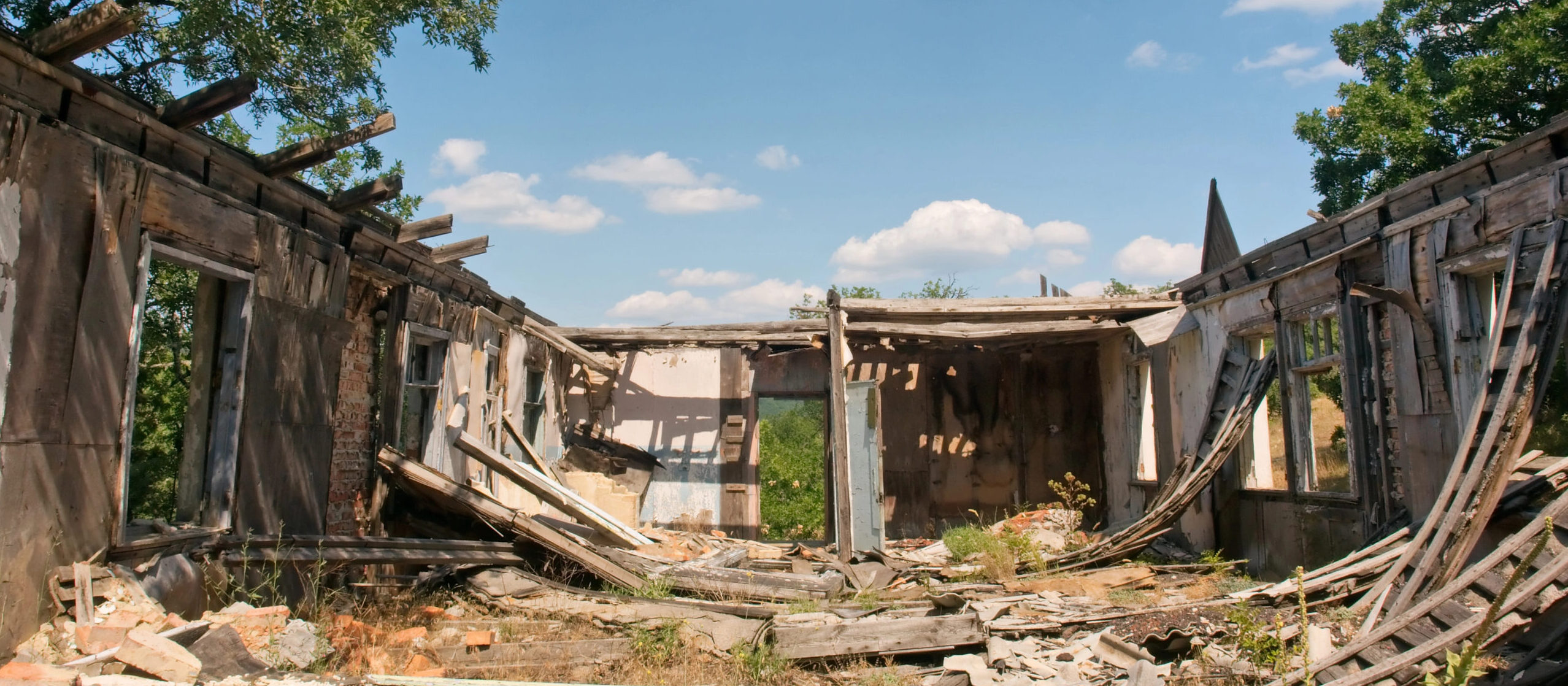
When concerns arise about possible contamination, some people look into local records or council notices.
Councils often hold environmental records or planning files, and it is not unusual for residents to request details through an Environmental Information Request. In some cases, they review the property's planning history, particularly when developers have built on a former industrial or landfill site.
People sometimes ask whether others have received letters from the council or developers. Joining online spaces, such as Facebook groups or residents' forums, has helped others stay informed about updates on pollution or land investigations in their area.
It is also common for individuals to keep their own records of issues that arise, such as recurring health symptoms, cracks appearing in walls, or planning delays. Some people may have chosen to note these details and take photos so that they have a clear account of their experiences over time.
If we live near contaminated land, we’re not alone, and we don’t have to face the challenges in silence. When concerns about contaminated land start affecting our health, homes, or peace of mind, it helps to know that others may be experiencing the same issues. In many cases, class actions in the UK have become a means for individuals to come together and collectively raise their shared concerns.
At LegalClaimPro, we help explain the broader issues associated with contaminated land, particularly in areas where group claims may be forming. By learning from each other and sharing what we’ve seen or experienced, we often find that communities can act with greater confidence. Together, we can shine a light on situations that might otherwise be overlooked.
Knowing that others have already taken steps to understand their rights can make it easier for us to do the same. Whether it’s about health, property, or the environment, contaminated land is something that can affect entire neighbourhoods, not just individual homes.
If you think your home or area might be affected, you don’t have to figure it out on your own. Start your eligibility check today and see if you could be part of a group claim.
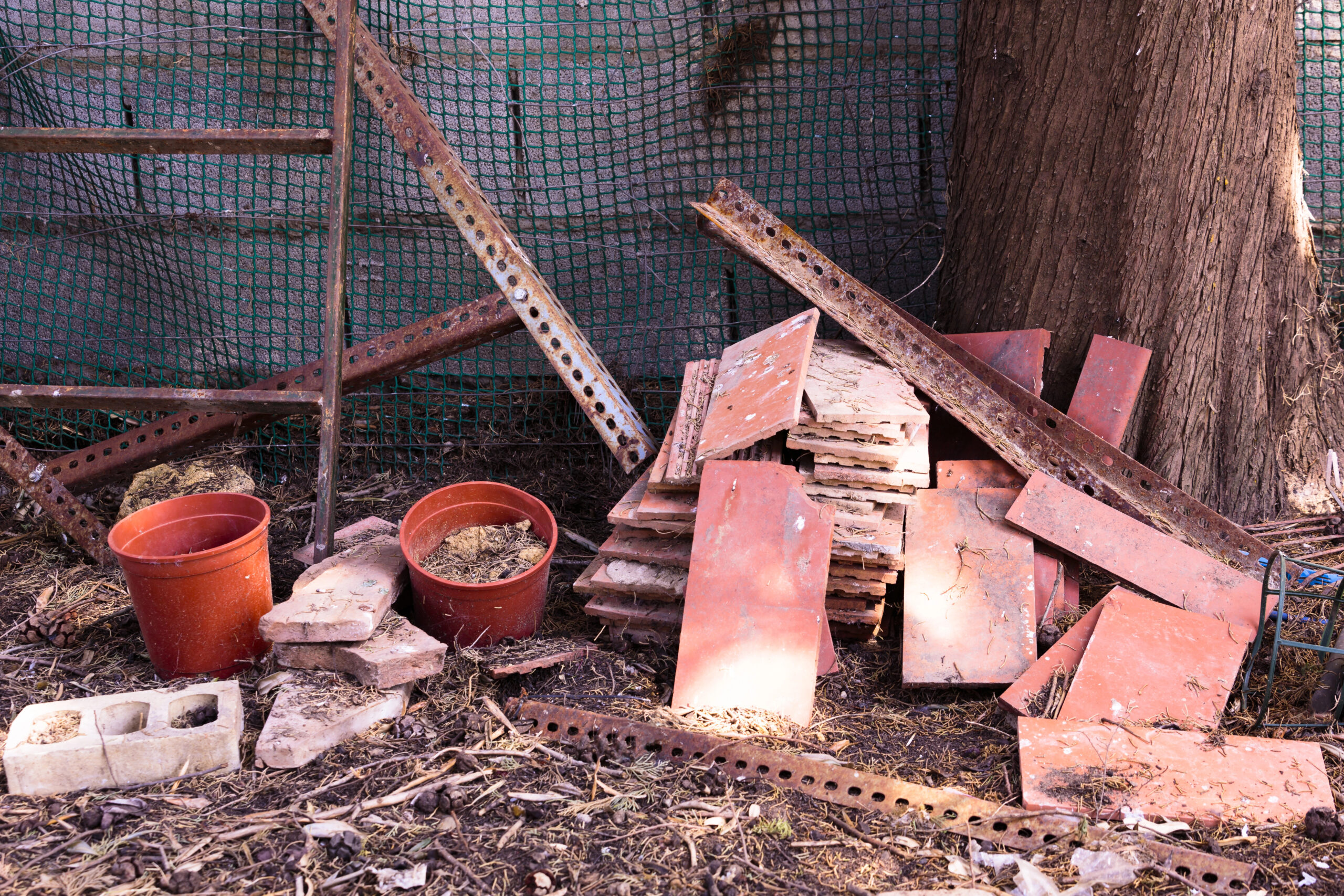
Across the country, more of us are speaking up about the challenges of living near contaminated land. Whether it’s a strange smell in the air, unexplained health problems, or worries raised in planning documents, many communities are noticing similar warning signs. These experiences are starting essential conversations, and in some cases, leading to collective action.
We’ve heard from residents who only learned about the contaminated land beneath their homes years after moving in. Often, these properties were built on or near old industrial sites or former landfills, and the pollution wasn’t clearly disclosed. For some, the first clue came during a planning application or after a council investigation.
Others have shared their health concerns, especially when symptoms like rashes, breathing difficulties, or ongoing fatigue began affecting multiple people in the same area. In such cases, class actions in the UK have provided a means for communities to raise their concerns and advocate for formal assessments.
Financial stress has also brought people together. Drops in property value, difficulties getting insurance, and unexpected survey costs have caused many of us to re-evaluate what it means to live on contaminated land. For those of us affected, the burden often feels unfair, and collective legal action is one way to respond.
By comparing notes and sharing stories, we start to see a fuller picture. When it’s not just one home, but a row of houses or an entire estate affected by contaminated land, it becomes clear that something larger is at play. Class actions in the UK give us a route to ask questions, demand answers, and protect our communities.
At LegalClaimPro, we understand how worrying it can be to live near contaminated land. Many of the people we speak to share the same concerns about their health, homes, and future. You’re not alone in this, and you don’t have to figure it out by yourself.
We help people like you check whether their experiences might be part of a broader issue. If others in your area are facing similar problems, there may be an opportunity to take action together through a group claim.
You don’t need to have all the answers before getting started. Our role is to guide you through what’s involved and help you understand your options clearly and calmly. Whether your concerns relate to pollution, property issues, or local developments, we're here to listen.
We believe that by coming together, communities can unite and amplify their voices to push for change. It starts with understanding where you stand. Take a few minutes to check if your experience could be part of a wider group claim.
Legal and Consumer Guidance Notice
The content on this page is provided by LegalClaimPro Limited, a company registered in England and Wales, with registration number 16907238. It is intended for general informational purposes only and is written for UK consumers seeking to understand group and class action claims. LegalClaimPro does not offer legal advice, and no lawyer-client relationship is created by viewing or interacting with this content. While we aim to keep our information accurate and up to date, readers should seek qualified legal guidance for advice specific to their situation. LegalClaimPro accepts no liability for actions taken based on this content.
Please note: LegalClaimPro is a trading name of Mediatasks Limited, a company registered in England and Wales, with number 08556369, and registered office at 9 The WorkStack, 599 Woolwich Road, London SE7 7GS. We are not a law firm. We connect individuals with law firms for group claims and may receive a fee from these firms.
We do not charge consumers or provide legal advice. We are not responsible for the advice given by any firm we connect you with. Information on this site is for general purposes only and should not be considered legal advice. Professional legal advice should always be sought independently. By using this site, you agree to this. If you disagree, please do not use our site. For Free Legal Advice, visit the Law Society website, the independent professional body for solicitors in England and Wales.
