Nesting birds disappear, protected bats may be disturbed, and nearby streams become clouded with debris. For many residents, their peaceful morning walks and connection to nature are suddenly gone, replaced by loss and frustration.
It raises an important question: Can communities come together to hold those responsible accountable, especially when the law is broken?
In such cases, a class action may help. At LegalClaimPro, we provide straightforward and reliable information about environmental class actions, which allow people to join together when nature is harmed and laws are broken. If protected species are affected or ecological protections are breached, a class action may be a way to demand justice together.
In the UK, certain animals are classed as "protected species" due to their rarity, vulnerability, or importance to the environment. This includes European protected species such as bats, great crested newts, dormice, otters, and many bird species during nesting season. These animals are safeguarded by law, which means it's illegal to harm, capture, disturb, or destroy the places they live and breed.
Developers, landowners, and companies must adhere to strict guidelines if their work could impact these species or their habitats. When these laws are broken, whether through construction, pollution, or habitat destruction, it may open the door to a class action. A class action provides affected communities with a means to unite and take legal steps together, particularly when protected species are at risk.
We help people understand when environmental harm could lead to a class action lawsuit, how these claims work, and what steps they can take to join one. If you suspect that protected species have suffered harm in your area, joining a class action could be a way to seek justice together.
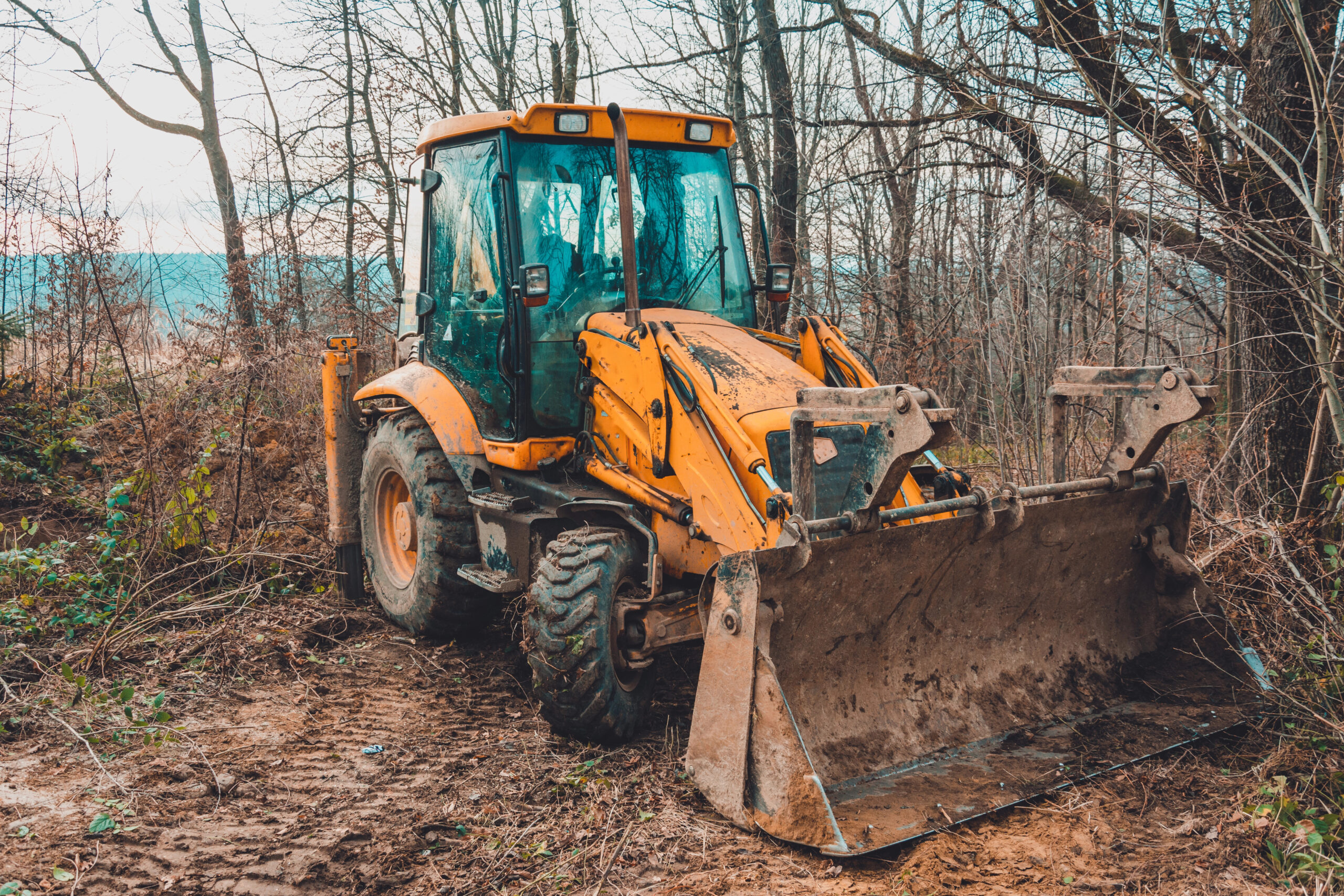
The threats to wildlife today often go unnoticed until the damage is done. From major construction projects to chemical spills, the risks are wide-ranging. When protected species are harmed, a class action may be a way for individuals to come together and seek accountability.
New housing estates, business parks, and transport routes are increasingly built on greenfield land. Without proper environmental checks, construction can wipe out nesting sites, destroy feeding areas, and block migration paths within a matter of days. Even when a licence is required, some projects move forward without one, or ignore vital conditions meant to protect local wildlife.
Heavy machinery can compact soil, block burrows, and damage fragile ecosystems. If developers skip environmental surveys or disregard ecological advice, they may be putting protected species at serious risk. In such cases, joining a class action could provide affected residents with a means to collectively challenge this harm.
Cutting down trees or clearing hedgerows without proper permission can leave birds, mammals, and insects without shelter. These actions sometimes happen during maintenance or small-scale development and go unnoticed until the damage is severe.
Rebuilding these habitats can take years, if it’s even possible. When these activities violate wildlife protections, people can come together through a class action to highlight wrongdoing and call for better oversight.
Pesticides, fertilisers, and industrial waste often find their way into rivers and soil. What may begin as a minor leak can lead to widespread contamination, harming fish, amphibians, and the animals that depend on them. Polluted soil can also affect burrowing species and damage food chains.
In cases where chemical pollution is linked to corporate neglect or regulatory failure, a class action can give communities a voice and a legal route to demand change.
Many animals are most vulnerable during their breeding and nesting periods. Clearing land or using heavy machinery at the wrong time can lead to abandoned nests or orphaned young. Even well-meaning dog walkers or hikers can cause unintentional harm.
When companies or landowners fail to observe seasonal protections, it can lead to long-term population declines. A class action can bring these issues to light and push for more vigorous enforcement of wildlife laws.
Artificial light can confuse nocturnal animals, while constant industrial noise disrupts communication and mating calls. These changes may not leave noticeable scars, but they slowly erode population health, causing animals to either die or fail to reproduce.
Even this less obvious harm can be challenged through a class action, especially if it stems from ongoing negligence or illegal activity. Local groups can use collective legal action to demand better protections and raise awareness.
Wildlife may seem distant from our everyday routines, but when protected habitats are damaged or destroyed, local communities often bear the brunt of the consequences as well. In many cases, the consequences of this harm can trigger a class action, providing people with a means to speak up collectively when individual voices may feel ignored.
Natural areas aren’t just lovely to look at—they’re vital for mental wellbeing, physical health, and community connection. When green spaces are lost to unchecked development or environmental damage, the impact can be immediate and deeply felt. Families, dog walkers, birdwatchers, and local schools often lose safe, welcoming places to explore and unwind.
A class action can be a powerful tool when these losses are tied to illegal activity or neglected responsibilities. By joining together, communities can highlight the emotional and social cost of environmental damage and press for accountability.
Proximity to nature has long been seen as a benefit when buying or selling a home. But when wildlife disappears and the surrounding landscape is degraded, property values can fall. Residents may find themselves unable to move, stuck in a place that no longer feels like home.
If this decline is the result of unlawful or reckless behaviour, such as unauthorised land clearance or pollution, a class action could provide a route for affected homeowners to seek redress. At LegalClaimPro, we help people understand when this type of collective legal action is possible and how to participate.
The emotional toll of losing treasured green spaces is often underestimated. For many people, nature is personal; it’s tied to memories, daily routines, and a sense of identity. When a favourite walking path disappears or protected wildlife is harmed, it can trigger real grief, frustration, and anger.
If people feel excluded from decision-making or ignored by those in power, these feelings can deepen. A class action gives individuals the opportunity to reclaim some control and be heard as part of a larger movement. It turns passive frustration into meaningful participation.
Wildlife and natural beauty attract visitors, sustain businesses, and bring vibrancy to communities. When nature is damaged, tourism declines—and with it, the income of local shops, cafés, and recreation providers. Guided nature walks, school visits, and seasonal events can all be cancelled, often without a clear explanation.
In these cases, a class action may help communities demand answers and push for stronger protections in the future. It’s a way to say that the local environment—and the livelihoods it supports matter.
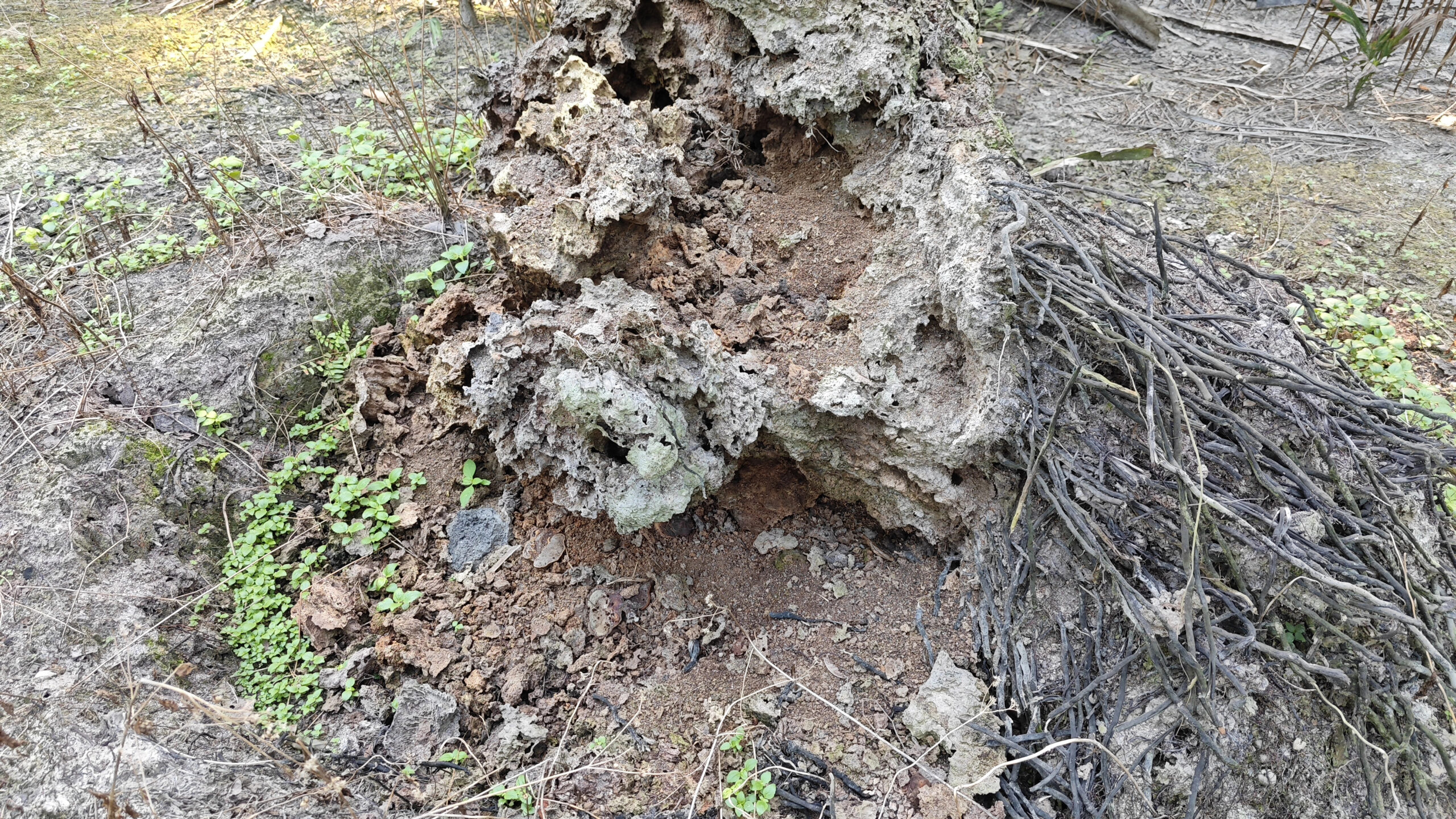
Wildlife protection isn’t just about saving animals; it’s about safeguarding the well-being of people too. When habitats are destroyed or protected species are harmed, the impact often ripples through local communities, affecting livelihoods, public health, and cultural identity.
For example, when fish populations decline due to pollution or the loss of breeding grounds, riverside and coastal communities may struggle to maintain their traditional way of life. Similarly, when forests are cleared, rural and Indigenous communities can lose access to food, clean water, and places of deep cultural meaning.
Urban areas are affected too. Healthy ecosystems help manage flooding, purify the air, and regulate local temperatures. When these systems break down, cities can face higher risks, from overheating to poorer water quality.
Because our lives are so closely tied to the environment, harm to nature is increasingly recognised as a human issue as much as an ecological one. Collective legal action can play a key role in raising awareness and holding those responsible to account. These cases often demonstrate how environmental neglect not only affects wildlife but also puts communities at risk.
This is why group legal efforts are not just about defending vulnerable species, but also about protecting people’s futures. Environmental responsibility and human resilience are inextricably linked, and the stronger the protections for nature, the stronger the foundations for healthy, thriving communities.
When people believe that harm has come to protected species, there are several ways they take action to raise concerns and protect what remains.
Many people start by recording what they see. This might include writing down the date, time, and location of an incident, along with a clear description of what happened. Noting the type of wildlife affected or any signs of disturbance can be especially useful.
If it’s safe to do so, taking photos or videos can provide substantial evidence. Images of animals, damage to habitats, or machinery being used in sensitive areas can help build a timeline. Even small details, such as vehicle tracks or noise levels, may become relevant later.
Local councils, environmental agencies, and wildlife trusts typically have procedures in place for handling reports of harm to nature. Many offer hotlines or online forms where you can describe what you’ve seen. These organisations may conduct an assessment themselves or pass the information on to enforcement agencies for further investigation.
Timely reporting can be key. Acting quickly may help protect any remaining habitats or stop further harm before it spreads.
You’re rarely the only one who notices something wrong. It’s worth speaking with others in your community, whether that’s fellow dog walkers, neighbours, or local nature groups. Someone else may have seen suspicious activity, taken their own photos, or noticed changes you hadn’t.
By sharing what you’ve observed, you help build a fuller picture of the issue. If it turns out that others have witnessed similar things, this can help show that it’s not just an isolated concern. In some situations, this shared experience may even lead to public pressure or, where appropriate, a collective legal response.
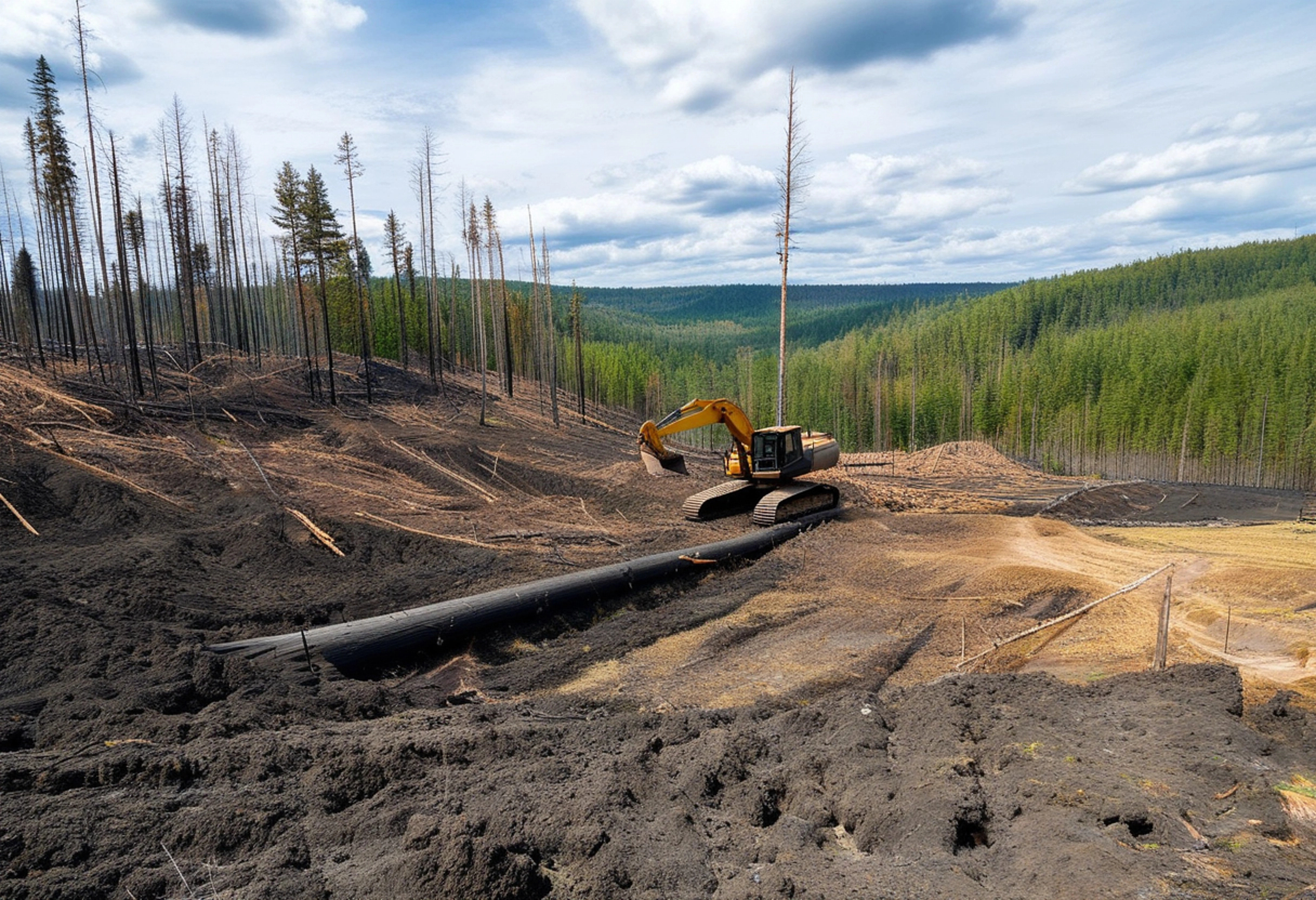
Sometimes, it begins with just one person noticing something isn’t right: a damaged nesting site, unusual noise, or signs of habitat destruction. When more people come forward with similar concerns, these individual reports can begin to form a pattern. This shared awareness often prompts local councils, conservation groups or environmental bodies to take a closer look.
As more voices speak up, it becomes easier to demonstrate whether the issue is isolated or part of a wider problem. This growing clarity can encourage public discussion, stronger oversight and, in some cases, formal investigations. Even when outcomes take time, every report contributes to a better understanding of how environmental protections are meant to work and where they may be falling short.
Group legal actions can have an impact that reaches far beyond compensation. When people unite to challenge environmental harm through a class action, the case often attracts public and political attention. This scrutiny can lead to more profound questions about how laws are enforced, whether rules are being ignored and how development is managed.
A class action can expose gaps in planning procedures, trigger reviews of environmental policies, or prompt authorities to enforce existing regulations more strictly. Even when a claim does not result in compensation, it can still spark change, such as new licensing rules, improved environmental assessments or tighter enforcement.
In this way, class actions help shift the balance of power. They remind those in power that communities expect both development and nature to be taken seriously.
Wildlife protection is also about protecting people. Healthy ecosystems provide clean air, safe water and resilience against climate change. When protected species begin to disappear, it often signals deeper problems affecting the wider environment.
By standing up for nature, communities are also standing up for their own health, safety and long-term wellbeing. It is not just a matter of conservation. It is about fairness, responsibility, and the right to live in a healthy and balanced environment.
When environmental laws are ignored or habitats are destroyed, it is not just wildlife that suffers; humans also suffer. People and communities also feel the impact. But staying silent does not have to be the only option.
At LegalClaimPro, we offer a way forward. You can learn about your rights, explore active group claims or even help launch a new one with others who share your concerns. Every voice counts when it comes to protecting wildlife and holding polluters and reckless developers accountable.
You may not be able to undo the damage on your own. But together, communities can demand change. Start by checking your eligibility today.
A class action is a legal process where a group of people with similar concerns come together to bring a collective claim. In environmental cases, this can occur when protected species are harmed or their habitats are damaged. If the law has been broken, communities may use a class action to hold companies or developers accountable.
In the UK, animals such as bats, great crested newts, dormice, otters, and certain birds are legally protected during their nesting season. It is against the law to kill, harm, or disturb these species, or to damage the places they live and breed. Anyone planning work that could affect these species must take extra care and follow the proper legal steps.
Wildlife can be harmed through construction, illegal logging, land clearance, pollution, and disturbance during breeding seasons. Even things like excessive noise or light can cause lasting damage. If these actions break environmental laws, they may lead to penalties or trigger a class action.
You can start by making notes, taking safe photos or videos, and reporting the issue to your local council or wildlife trust. It’s also helpful to talk with neighbours, as others may have seen similar problems. If the issue appears to be widespread or severe, we can help you determine whether a class action may be an option.
Yes. While class actions can sometimes lead to compensation, they often have a bigger impact by drawing attention to environmental failures. These cases can highlight weak enforcement or gaps in planning laws, leading to stronger rules, better oversight, and more robust protection for wildlife and communities.
Legal and Consumer Guidance Notice
The content on this page is provided by LegalClaimPro Limited, a company registered in England and Wales, with registration number 16907238. It is intended for general informational purposes only and is written for UK consumers seeking to understand group and class action claims. LegalClaimPro does not offer legal advice, and no lawyer-client relationship is created by viewing or interacting with this content. While we aim to keep our information accurate and up to date, readers should seek qualified legal guidance for advice specific to their situation. LegalClaimPro accepts no liability for actions taken based on this content.
Please note: LegalClaimPro is a trading name of Mediatasks Limited, a company registered in England and Wales, with number 08556369, and registered office at 9 The WorkStack, 599 Woolwich Road, London SE7 7GS. We are not a law firm. We connect individuals with law firms for group claims and may receive a fee from these firms.
We do not charge consumers or provide legal advice. We are not responsible for the advice given by any firm we connect you with. Information on this site is for general purposes only and should not be considered legal advice. Professional legal advice should always be sought independently. By using this site, you agree to this. If you disagree, please do not use our site. For Free Legal Advice, visit the Law Society website, the independent professional body for solicitors in England and Wales.
