Across the UK, we’re all asking the same question. If we’re paying less on the wholesale market, why are our retail energy costs still so high?
The answer isn't simple. Behind every bill we receive is a mix of advance purchase deals, extra charges, and complex pricing structures that most of us never see. While wholesale prices can fall quickly, the costs we pay on our bills often remain the same or lag.
In this article, we’ll explain how the system actually works. You'll learn what energy suppliers pay on the wholesale market, what gets added along the way, and why the savings often stop before they reach your meter. Based on public sources and expert insights, we won’t provide legal or financial advice. Still, we’ll help you understand what’s really driving the prices we pay, and why more of us are demanding change.
To learn more about your rights, billing practices, or group actions related to energy pricing, explore our free resources and tools at LegalClaimPro.
In the UK, our wholesale energy market is where we purchase electricity and gas in bulk, often months or even years in advance. We buy wholesale electricity from generation companies and then sell it to residential and commercial customers. Several factors, including natural gas costs, fuel availability, demand forecasts, weather, and global events, impact the wholesale prices we pay.
By contrast, the retail energy market reflects the charges that we, as consumers, actually pay. We set these bills and include more than just the wholesale cost.
Additional charges we incur include network fees, maintenance costs, operating expenses, contributions to green energy initiatives, and profit margins.
Although Ofgem sets a price cap to limit how much we can charge on standard tariffs, there’s still often a significant gap between wholesale prices and what customers ultimately pay.
We also face extra costs from systems like the capacity market, which helps maintain a steady electricity supply by compensating providers for being available even when they’re not generating power. We pass those charges on in the final bill.
Would you like to delve deeper into how these costs impact you or explore related claims? Visit our Energy sector page on LegalClaimPro for plain-English guides and updates.

Many of us are surprised to see that falling wholesale prices don’t continuously lower our household or business bills. One key reason is how we purchase our electricity and gas.
Most of us buy energy in advance through fixed contracts, a process known as hedging.
This approach means that the prices we charge often reflect deals made months earlier, rather than the latest market rates.
The type of tariff we’re on also matters. Fixed-rate plans lock in our price for the duration of our contract, so we don’t benefit from falling wholesale rates until our agreement ends. We can adjust variable tariffs more often, but we still decide when and how to apply those changes. These tariffs also include other costs not linked to wholesale pricing.
Our energy bills include much more than just the electricity price. Additional charges may cover renewable energy funding, grid upgrades, operating costs, and government-backed programmes. Due to these extra costs, a drop in wholesale prices doesn’t always translate to a lower bill for us.
The overall market stability also influences our prices. After the gas price spikes of 2021 and 2022, we became more cautious. Our focus shifted toward financial recovery and building resilience. As a result, we’re still facing high costs — even when wholesale prices start to fall.
To better understand what makes up your energy bill or to explore any current group actions, visit our energy claims page at LegalClaimPro for free tools and clear guidance.
We’ve seen wholesale electricity prices in the UK drop sharply at various points, often due to a decline in global gas prices or an increase in renewable energy generation across the grid.
However, even when media outlets like The Guardian and BBC News report these drops, many of us have noticed no real reduction in our monthly bills. In some cases, our bills have even continued to rise. This gap between falling wholesale costs and steady or rising prices affects us directly, whether we’re households or businesses trying to manage energy expenses.
Our energy regulator, Ofgem, says that the prices we pay often lag behind changes in the wholesale market. One reason is the hedging strategy we use as suppliers, where we buy electricity in advance to protect ourselves against sudden price spikes. We usually make these purchase contracts months ahead, which means our customers end up paying prices based on older deals rather than current market rates.
Many industry experts, including those from MoneySavingExpert and Citizens Advice, have noted that we face constant pressure to manage financial risk. After the global energy crisis of 2021–2022, when wholesale gas prices surged dramatically, many UK suppliers went under, and those of us who remained had to focus on rebuilding financial stability. As a result, we’ve been slower to lower retail prices, even as wholesale markets began to recover.
We understand how frustrating this pattern is for consumers like us. Investigations by Which? have shown that suppliers often failed to cut standard tariffs or fixed-rate deals after wholesale market prices fell. Suppliers may only change prices when the contract cycles or risk strategies allow it. For us as consumers, that means we continue to pay more for energy even when the broader market shows signs of relief.
To stay informed about pricing fairness, supplier practices, and emerging legal actions, we encourage everyone to visit our page at LegalClaimPro. We use a trusted, jargon-free resource designed to help consumers understand their rights and the forces shaping their energy bills.
As a consumer advocacy group, we closely follow how Ofgem, the UK’s government regulator for gas and electricity, monitors energy pricing. One of Ofgem’s primary responsibilities is to ensure fairness and transparency in how suppliers set their prices.
The regulator enforces the energy price cap, which limits what suppliers can charge on standard default tariffs. While this cap should prevent excessive pricing, it doesn’t guarantee that lower wholesale prices will result in immediate savings for consumers.
According to Ofgem’s guidance, there is a price cap review every three months, utilising both forecast and historical data, which means that when wholesale prices fall sharply, the reduction often takes time to appear in customer bills.
During periods of extreme volatility, such as the 2021–2022 energy crisis, the delay can stretch over several months. As a result, households and small businesses can end up paying higher rates even after supplier costs begin to decline.
Ofgem also oversees wider aspects of the energy market, including supply security, competition, and the impact of government policies. These policies include initiatives like the Energy Price Guarantee and environmental levies that support the UK’s transition to renewable energy.
We recognise that these schemes are vital for long-term sustainability. Still, they also add complexity and increase the cost of consumer pricing, which helps explain why retail prices don’t always align with wholesale market trends.
To date, there have been relatively few significant legal challenges in the UK specifically focused on the structure of energy pricing. Most efforts to address unfair practices have been implemented through regulatory measures, such as the price cap.
However, other consumer groups and we remain concerned that some suppliers are not fully transparent about how they calculate or apply prices, particularly in business energy contracts and prepayment tariffs. We continue to call for more precise explanations of how administrators set tariffs and for greater accountability regarding hidden or cross-subsidy charges.
For the latest updates on regulatory changes or legal inquiries into energy pricing, we invite you to visit and check our free resources. Here, you can check whether any ongoing group actions may apply to your situation.
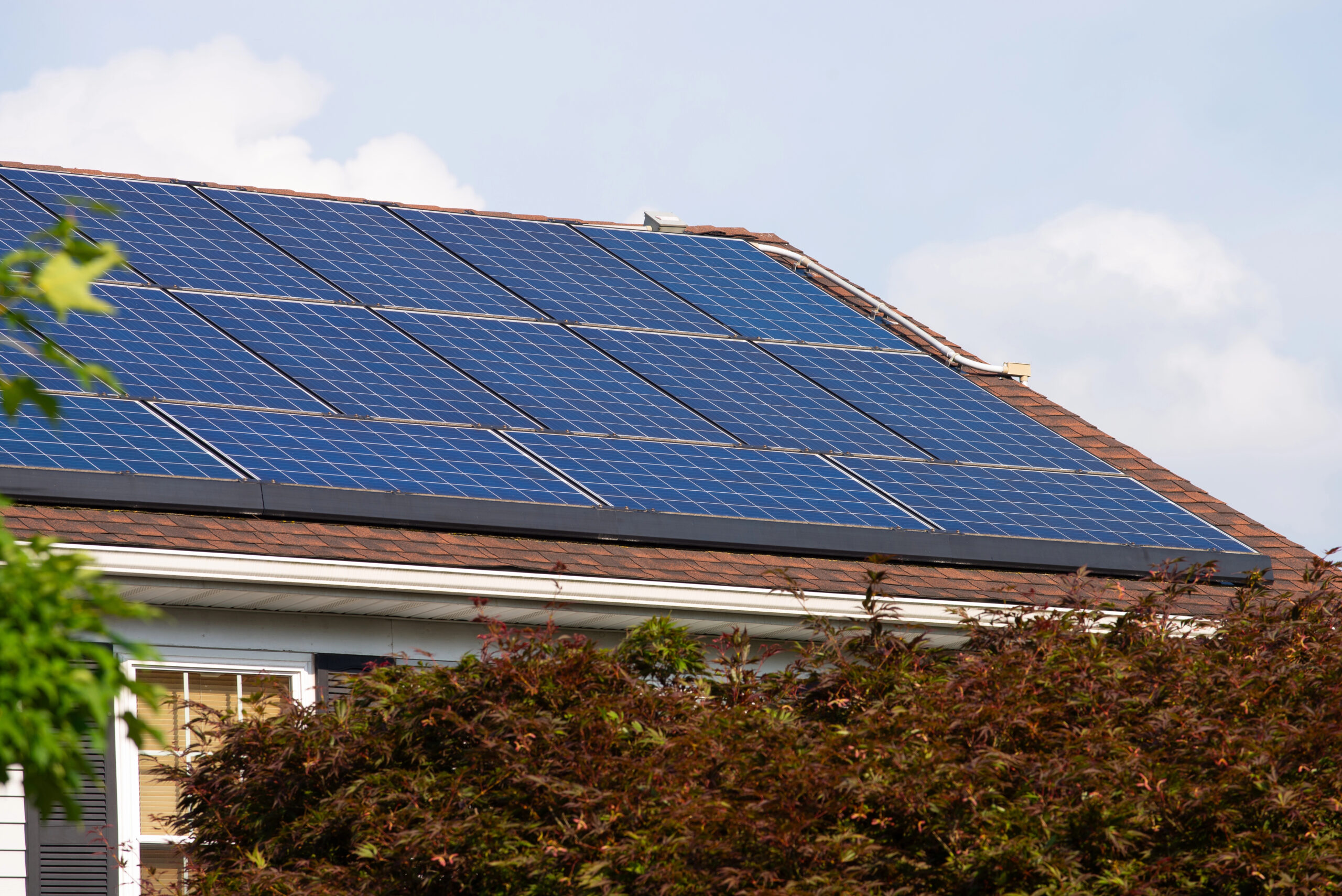
We’ve seen the widening gap between wholesale and retail energy prices in the UK draw increasing attention from both consumers and legal rights advocates like us. Even when wholesale energy prices fall, many households and businesses continue to face high retail costs.
This ongoing mismatch has led us to initiate early-stage investigations into whether certain pricing practices employed by energy suppliers have been fair and transparent, particularly during periods of market volatility.
Our legal teams and partner advocacy organisations are now examining cases where retail energy prices stayed high even as wholesale costs dropped. We’re reviewing how suppliers structured their tariffs and whether certain groups, such as prepayment customers and small business users, were unfairly burdened by elevated prices when market rates were falling.
As Ofgem has recently highlighted, suppliers often delay passing on wholesale savings to consumers. We believe this delay raises serious concerns about whether final pricing truly reflects real-time wholesale market conditions.
To address these questions, our legal teams are reviewing customer bills, contract terms, and supplier communications to assess whether pricing has been reasonable and whether consumers or providers have provided clear and accurate information about how they calculate retail energy costs.
Although our investigations into wholesale versus retail energy practices are still in the early stages, they reflect growing interest in whether group legal claims could provide a fair route to redress. At this stage, we’re not alleging wrongdoing; instead, we’re relying on publicly available data and regulator findings to ensure that retail energy costs remain fair, transparent, and responsive to changes in the wholesale market.
If you believe your energy costs were unfair or remained high while wholesale prices fell, you may be eligible to join one of our group claims. Visit our Group Action Hub to explore your options and stay informed with the latest updates.
Many of us in the UK are surprised to learn that a significant portion of our energy bills doesn’t actually reflect the wholesale price of electricity or gas. While wholesale costs make up an essential part of the supply chain, they’re only one element of what determines our final bill. The rest comes from additional charges that drive up retail energy costs for both households and businesses.
A typical bill includes charges for network infrastructure, green energy funding, VAT, and operational expenses, which is why changes in wholesale prices don’t always lead to noticeable savings on our bills. Providers built these elements into retail energy costs, and they apply whether we’re domestic customers or business users.
Public data show that the wholesale portion of an energy bill usually accounts for less than half of the total cost. Suppliers allocate the remainder to their own margins, grid maintenance, and government-mandated schemes such as the capacity market or the Energy Price Guarantee. These fixed, policy-driven, and operational charges keep our retail energy costs high even when wholesale prices fall.
This pricing structure helps explain why our energy costs have stayed elevated despite reductions in wholesale prices. Suppliers must factor in a range of expenses beyond generation costs when setting tariffs. Even when the wholesale market drops, the other components of retail pricing tend to remain steady, keeping our overall bills from falling in line with market conditions.
If we’re unsure how our supplier calculated our charges, or if we feel our bill doesn’t reflect current market rates, we can get help. At LegalClaimPro, we provide clear resources that explain how energy pricing works and help determine whether we might be eligible to join a group claim.

Some class actions are resolved relatively quickly. Others can take much longer, sometimes a few years. That’s not because things are going wrong, but because legal processes move slowly, especially when many people are involved.
If that sounds tiring, don’t worry. You won't have to manage the process when you’re part of a class action through us. The legal team handles the paperwork, negotiations, and court appearances. You’ll receive updates when something important happens; no need to chase for news or check in constantly.
In the UK, we manage our energy system through the balance between electricity supplied in the wholesale market and the costs paid in the retail market. At the heart of this system is the gap between the wholesale electricity prices agreed between producers and suppliers, and the retail energy costs that we, as consumers, ultimately pay. Infrastructure investment, supplier operations, and government policies all play significant roles in shaping that gap.
Even when wholesale electricity costs fall, suppliers don’t always pass those savings on immediately. A range of factors influences retail energy prices, including long-term purchasing contracts, pricing strategies, and the need to maintain a secure and reliable energy supply. These pressures affect all of us, whether we’re managing household bills or running a business on a commercial energy tariff.
Our national shift toward renewable energy also affects what we pay for energy. While renewable sources can help reduce wholesale prices over time, upgrading grid systems and investing in green infrastructure add high costs to electricity delivery. These extra expenses often mean that the benefits of lower wholesale prices take longer to reach us as consumers.
Energy efficiency policies should lower demand and reduce our dependence on fossil fuels. In the long term, they can help bring down wholesale costs. However, the effect on our retail bills is slower to appear because suppliers still need to cover fixed operational and environmental costs.
Ultimately, wholesale market shifts are only one part of a much larger picture. Retail energy pricing in the UK is influenced by a complex interplay of market forces, regulatory decisions, and long-term infrastructure objectives, all of which collectively determine the price we ultimately pay for our power.
In the meantime, life carries on as usual. Being part of a class action doesn’t mean adding loads of admin to your to-do list. It just means you’ve added your name to a collective effort for fairness.
As more of us question the fairness of retail energy costs, especially when wholesale prices are declining, we continue to closely monitor market trends and supplier practices. Our goal is to ensure that energy pricing remains transparent and that all consumers get fair treatment.
In this article, we shared a clear overview of how wholesale pricing affects the retail energy costs we all face in the UK. While we don’t provide legal advice, we, at LegalClaimPro, are here to help you stay informed and understand your options.
You can contact us directly or visit our Group Action Hub to explore your rights if you believe your bill doesn’t accurately reflect real wholesale costs. And suppose you suspect you’re paying more than you should for retail energy. In that case, we encourage you to verify that your bill accurately reflects the actual costs charged.
Most suppliers buy energy months or even years in advance through fixed contracts. This means that current wholesale prices may not reflect what you’re paying today. On top of that, your bill includes extra charges like network maintenance, green levies, and VAT — so even when wholesale rates drop, your final bill might not.
Wholesale energy pricing is what suppliers pay to buy electricity or gas in bulk. Retail pricing is what you, the consumer, pay — and that includes wholesale costs plus supplier overheads, infrastructure fees, environmental scheme costs, and more.
Ofgem sets the energy price cap and limits how much suppliers can charge on standard tariffs. It’s reviewed every three months. While it offers some protection, it doesn’t guarantee that falling wholesale prices will result in lower bills immediately.
Yes, if your bill seems unusually high or unclear, you can raise a complaint with your energy supplier. If you’re not satisfied with their response, you can escalate the issue to the Energy Ombudsman. You may also qualify for a group legal claim. Check the LegalClaimPro Energy Claims Hub to learn more.
We’re actively reviewing whether suppliers have acted reasonably, especially during periods when wholesale prices fell but retail prices remained high. Our early-stage investigations aim to ensure transparency and explore whether consumers may be eligible for group claims based on publicly available data and supplier practices.
Legal and Consumer Guidance Notice
The content on this page is provided by LegalClaimPro Limited, a company registered in England and Wales, with registration number 16907238. It is intended for general informational purposes only and is written for UK consumers seeking to understand group and class action claims. LegalClaimPro does not offer legal advice, and no lawyer-client relationship is created by viewing or interacting with this content. While we aim to keep our information accurate and up to date, readers should seek qualified legal guidance for advice specific to their situation. LegalClaimPro accepts no liability for actions taken based on this content.
Please note: LegalClaimPro is a trading name of Mediatasks Limited, a company registered in England and Wales, with number 08556369, and registered office at 9 The WorkStack, 599 Woolwich Road, London SE7 7GS. We are not a law firm. We connect individuals with law firms for group claims and may receive a fee from these firms.
We do not charge consumers or provide legal advice. We are not responsible for the advice given by any firm we connect you with. Information on this site is for general purposes only and should not be considered legal advice. Professional legal advice should always be sought independently. By using this site, you agree to this. If you disagree, please do not use our site. For Free Legal Advice, visit the Law Society website, the independent professional body for solicitors in England and Wales.
