We are frequently presented with promises of lower electricity bills, government incentives, and long-term savings that make installing a solar panel system appear financially attractive.
However, behind the glossy brochures and persuasive sales pitches, many of us have encountered higher bills, hidden fees, or systems that failed to deliver the advertised performance. These issues often fall under the category of solar panel fraud, where companies employ deceptive practices to mislead buyers.
When these practices affect large numbers of consumers, they can lead to group legal claims. Class actions have become an increasingly effective tool for addressing systemic fraud in the renewable energy sector, enabling us, as affected homeowners, to seek legal recourse.
At LegalClaimPro, we provide a user-friendly resource that helps individuals navigate the complex landscape of class actions. We also examine how deceptive practices affect consumers and how collective accountability can transform industries.
In this article, we examine key aspects of the solar energy sector, including the potential for savings, common types of fraud, and how misleading practices can lead to class action claims.
Solar energy companies often promote their products to us by highlighting energy independence and long-term financial savings.
One of the most common selling points is the promise of reduced electricity bills through generating our own power. Sales representatives frequently promote “net metering” or credits for excess energy sent back to the grid, portraying these features as reliable ways to lower monthly expenses.
Firms may assure us that our utility bills will drop significantly once we install a solar energy system. In reality, savings vary depending on system size, location, and household usage, meaning reductions may not always match the estimates presented during sales meetings.
Government incentives and tax credits are another popular selling point. These benefits can make installations appear more affordable, and sales teams often suggest that we automatically qualify for them. In practice, eligibility varies, and failure to meet specific criteria results in reduced savings.
Solar companies also promote “no upfront cost” options through leasing and financing arrangements. While these offers reduce initial expenses, they often obscure long-term financial obligations. Monthly lease payments or loan terms may exceed the savings generated by the panels, and some agreements include escalating payments. When we rely on initial projections, these costs can cause long-term financial strain.
Finally, sales teams often highlight quick payback timelines, claiming that systems will “pay for themselves” in a few years. These estimates typically assume ideal conditions that do not reflect the experience of most households. Payback periods usually range from 10 to 20 years, and delays or maintenance issues can further extend these timelines.

As solar energy becomes more popular, many people expect it to eliminate their electricity bills. While solar panels can reduce energy costs, the level of savings depends on several factors. These factors include the size and position of your roof, the amount of electricity your household uses, and the quality of the installation. It’s essential to recognise that results may vary from one home to another.
Another common belief is that everyone who installs a solar system will automatically qualify for government support. Although incentives, tax credits, and rebate schemes are often available, they are not guaranteed to be offered. Eligibility may depend on your location, income level, or the type of solar setup you choose. In some cases, you may need to apply and wait for approval before receiving any benefits.
Knowing how solar incentives actually work helps avoid disappointment later on. A good provider should explain the support available to you based on your specific situation. When expectations align with reality, it becomes easier to make an informed decision about whether solar energy is right for your home.
Some people assume that solar panels require no attention once they are installed. While solar systems are designed to last and require less maintenance than other home improvements, they still benefit from occasional upkeep. Over time, panels can collect dust, bird droppings, or leaves, all of which can lower performance if left unaddressed.
Solar systems may also require occasional inspections or repairs, especially as they age. Parts such as the inverter, which converts energy for home use, may need to be replaced after several years. Weather damage or loose wiring can also cause problems that affect the amount of power your solar system produces.
By understanding that solar systems need occasional care, homeowners can better plan for long-term performance. A trustworthy solar provider should always be upfront about these requirements, helping you get the best value from your investment while avoiding surprises later on.
As utility bills continue to rise, solar offers can seem like a great solution. Many of us are drawn to the promise of lower energy costs and a cleaner way to power our homes. But not every solar installation lives up to its promises. In some cases, the benefits were never realistic in the first place.
Misleading claims, confusing contracts, and even outright scams have led to a growing number of disputes. When customers feel misled or let down, many begin to explore their rights. For some, the decision to join a class action becomes a way to push back against companies that have not delivered on their promises.
Knowing the most common problems with solar deals can help us spot warning signs. When these issues happen across many households, they may point to a pattern. This is often when group claims become possible.
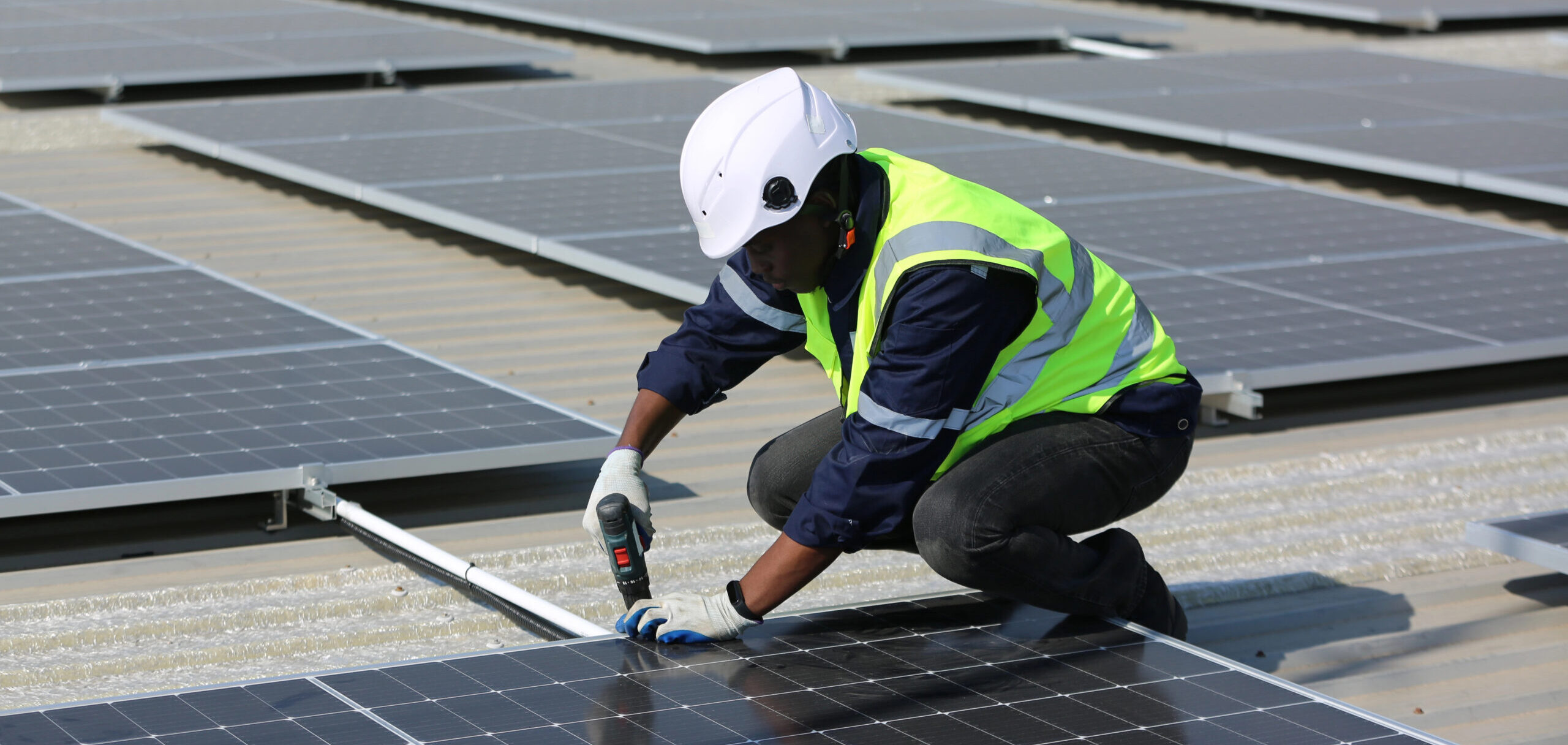
Some companies exaggerate how much you will save with solar. They may base their numbers on perfect conditions, not your real home, location, or energy use. In reality, the actual savings can be far lower than expected.
Marketing materials may overlook important details, such as seasonal changes in energy usage or the need for occasional maintenance. This can lead to false hopes and financial strain when bills stay high.
If enough people receive the same kind of misleading projections, it may be time to join a class action and raise the issue together.
Some solar offers appear low-cost and straightforward, but the fine print can tell a different story. Contracts may include unexpected service fees, rising lease payments, or expensive penalties for ending the agreement early.
These long-term contracts can make it challenging to move home or switch providers. If the risks were not clearly disclosed when you signed up, it could be considered mis-selling. And if others experienced the same, there may be grounds to join a class action.
Some solar companies make promises about tax credits or rebates that never arrive. They may tell you that you qualify for specific incentives, only to find out later that you do not.
This kind of misrepresentation leaves people covering the full cost of installation without the help they expected. If this has happened to you and others, you may be able to join a class action focused on misleading financial claims.
Poor workmanship and low-quality panels can cause significant problems. Some solar systems are installed incorrectly or with parts that fail early. This can reduce the system's effectiveness and may even damage your roof.
Unexpected repair costs and safety risks are not what most customers sign up for. If faulty installations are linked to a specific provider or product, those affected may be able to join a class action and seek compensation.
High-pressure sales tactics are another concern in the solar industry. Some companies use door-to-door visits or frequent calls to push people into signing quickly, without fully explaining the terms.
This is especially common among older or vulnerable homeowners. When key details are omitted or risks are concealed, the outcome can be long-term regret and financial distress. If many people were treated this way, it could support a class action claim.
When solar companies fail to meet expectations, the consequences go beyond simple disappointment. What starts as a forward-thinking investment can quickly turn into a source of stress and frustration. Many households enter solar agreements expecting savings and sustainability, but instead face financial loss and broken trust.
The real cost of a poor solar experience often extends beyond our energy bills. From home repairs to long-term emotional stress, the impact can be wide-reaching and deeply personal. For many, these experiences raise questions about who can be trusted in the solar industry.
If multiple families in the same area face similar issues, the pattern may indicate a larger problem. In these cases, people often come together to join a class action as a way to seek fairness and hold companies accountable.
Some people discover that their energy bills remain high even after installing solar panels. When combined with loan repayments or lease fees, this can create unexpected debt. If savings do not match what was promised, or if incentives never arrive, the system may become a long-term financial burden. Escalating payments in the contract can exacerbate the situation, especially for families already managing tight budgets.
Improperly installed solar panels can cause damage to the home. Leaks, wiring problems, and roof issues are not uncommon when systems are fitted without care. These issues can lower the value of your property and make it more difficult to sell or refinance. If your roof is damaged, the cost of repairs may exceed the savings from the system itself.
The stress of being stuck in a long-term contract with no easy way out can affect mental well-being. Many people feel let down or anxious, especially if they believe they were misled. Feeling trapped or unsure of your rights can significantly impact your day-to-day life. These experiences can also make people cautious about trying solar again in the future, even with a trustworthy provider.
When a large number of homes in a community have negative experiences with solar, trust in the industry begins to erode. Even honest, high-quality providers can struggle when public confidence drops. As adoption slows, this hinders progress toward clean energy goals and delays the benefits that solar can bring to both individuals and the broader environment.
When many consumers face the same misleading solar offers, faulty installations, or unfair contracts, it often indicates a broader issue. Class action claims enable individuals to unite and challenge these practices collectively. Instead of dealing with the stress alone, we can join forces to expose harmful patterns and seek fair outcomes.
Class actions help bring attention to industry-wide issues that might otherwise stay hidden. Whether it's inflated savings claims, fake incentives, or unclear contract terms, these cases highlight poor practices that affect households across the nation. They also provide a means to advocate for change and prevent others from experiencing the same harm.
Through group legal action, individuals can share their experiences, access support, and demand accountability from solar companies that failed to deliver on their promises.
Solar energy should be a step forward, not a setback. If you feel let down by false promises, hidden fees, or underperforming systems, you are not alone. Many others have faced similar challenges and are now coming together to take action.
At LegalClaimPro, we make it easy to determine whether your experience aligns with a broader pattern of solar-related misconduct. You do not need legal expertise or complex paperwork to get started. We work with vetted law firms to support consumers through every step of the process.
If you believe you were misled or financially harmed by a solar provider, take the first step today. Check your eligibility and find out if you can join a class action. Together, we can stand up for fairness and hold solar companies accountable.
Many report higher-than-expected bills, systems that do not perform as promised, or difficulties exiting contracts. Others have faced problems with faulty equipment or unexpected costs that were not clearly explained at the time of sale.
If the promises made during the sale do not match what you actually received, or if key terms were not adequately explained, you may have been misled. This could include unexpected fees, missing incentives, or poor installation quality.
It’s important to review your paperwork and make a note of anything that seems unclear or unfair. If your situation matches what others are reporting, you may be able to explore options for taking action through a group claim.
Yes. Even if you’ve been paying for some time, your experience may still be considered if the original terms were misleading or the system failed to deliver the expected results. Your current situation could still be part of a broader issue.
Once you check your eligibility, you’ll be guided through a simple process with support along the way. If your case matches others, you may be connected with a trusted law firm handling similar claims. There’s no obligation, and you can choose whether to proceed.
Legal and Consumer Guidance Notice
The content on this page is provided by LegalClaimPro Limited, a company registered in England and Wales, with registration number 16907238. It is intended for general informational purposes only and is written for UK consumers seeking to understand group and class action claims. LegalClaimPro does not offer legal advice, and no lawyer-client relationship is created by viewing or interacting with this content. While we aim to keep our information accurate and up to date, readers should seek qualified legal guidance for advice specific to their situation. LegalClaimPro accepts no liability for actions taken based on this content.
Please note: LegalClaimPro is a trading name of Mediatasks Limited, a company registered in England and Wales, with number 08556369, and registered office at 9 The WorkStack, 599 Woolwich Road, London SE7 7GS. We are not a law firm. We connect individuals with law firms for group claims and may receive a fee from these firms.
We do not charge consumers or provide legal advice. We are not responsible for the advice given by any firm we connect you with. Information on this site is for general purposes only and should not be considered legal advice. Professional legal advice should always be sought independently. By using this site, you agree to this. If you disagree, please do not use our site. For Free Legal Advice, visit the Law Society website, the independent professional body for solicitors in England and Wales.
