Yet, reports of unsafe or challenging working conditions continue to emerge across the UK. Health and safety concerns remain ongoing from construction sites lacking adequate safety gear to care homes struggling with limited staff and resources.
While some workers choose not to raise concerns, others have spoken out and, in some cases, explored group claims. These actions are not solely about financial outcomes; they can also highlight calls for safer, fairer workplace practices.
At LegalClaimPro, we aim to help. Our platform provides information to support workers in learning about their rights, reviewing examples of group claims, and understanding the general criteria often discussed in such cases.
Suppose you've experienced challenging or unsafe conditions at work. In that case, this article outlines common examples of health and safety issues and explains, in general terms, how group legal actions may apply in certain situations.
In the UK, employers are required to take reasonable steps to protect their staff's health, safety, and welfare. When employers fail to fulfil these duties, concerns may arise under workplace safety standards. Common examples of unsafe working conditions include:
Employers generally provide Personal Protective Equipment (PPE) suited to the risks of the job, such as gloves, helmets, masks, or safety goggles. If this gear is missing, outdated, or unfit for purpose, it can increase the likelihood of injury or illness.
During the COVID-19 pandemic, shortages of PPE were widely reported, particularly in healthcare and retail. Some employers also fail to train workers on the proper use of PPE, which can be just as dangerous as not having it. Without this basic protection, many jobs become far more hazardous than they need to be.
Companies should conduct regular maintenance and necessary repairs to avoid accidents. Official health and safety guidance emphasises the importance of regular safety checks, which people view as best practice.
Minor issues can quickly escalate into life-threatening incidents in high-risk environments like manufacturing or construction. In some cases, accidents linked to faulty equipment have led to workers being unfairly held responsible. Regular safety checks are both a best practice and a legal expectation under health and safety standards.
Hazards like wet floors, broken tiles, and loose cables are among the most common causes of workplace injuries. Although these risks are often easily fixable, some employers frequently ignore them.
Employers are duty-bound to post warning signs, promptly repair any issues, and conduct regular inspections to ensure the safety of their employees. Ignoring workplace deterioration could lead to slips or trips with serious consequences. These types of injuries are usually preventable and may point to gaps in workplace safety practices.
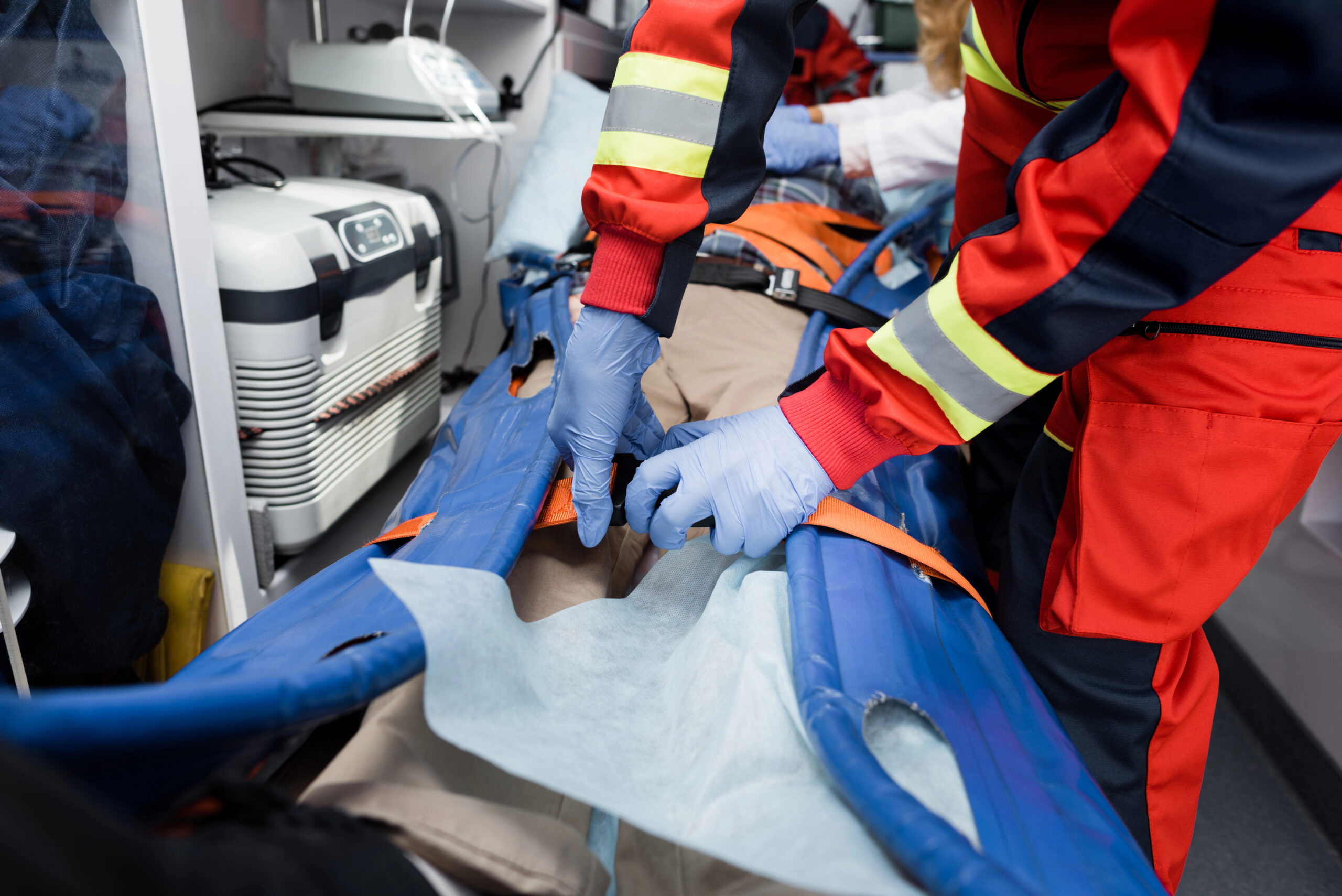
Some workers endure sweltering heat in kitchens or cold in warehouses without any risk assessment, climate control or proper clothing. Others work in environments with poor air circulation, increasing the risk of breathing issues or heat exhaustion.
Employers are responsible for ensuring that indoor workplaces maintain reasonable temperature ranges and that their ventilation systems function effectively. These conditions can contribute to health problems or pose immediate risks, particularly for vulnerable workers.
All workers need to be familiar with basic safety procedures, including fire drills, equipment handling, manual lifting techniques, and emergency response protocols. Without proper training, staff may be at greater risk and less able to respond effectively in emergencies.
Untrained staff may unintentionally cause accidents or be unable to respond effectively in a crisis. Thus, training should be thorough, regularly updated, and relevant to employees' specific tasks.
Fire extinguishers, first aid kits, and emergency exits must always be accessible. Assisting will be challenging if boxes, stock, or furniture block these essential tools.
This workplace hazard is easy to spot but often overlooked in busy workplaces. Employers should keep emergency routes clear and ensure staff know where to find safety equipment.
One indicator of workplace safety concerns is when the same issues recur despite previous incidents or warnings. If an accident has already occurred or staff have raised concerns, the employer must conduct an investigation and implement necessary changes.
Ignoring past incidents increases the likelihood of it happening again, often with more serious consequences. Overlooking such concerns can still be viewed as a serious workplace safety issue.
Unsafe working conditions can affect anyone, but specific industries carry higher risks due to the nature of their jobs and the environments in which they operate. Here are some of them:
Construction sites often involve working at heights, handling heavy machinery, and exposure to dust, chemicals, or loud noises. If the staff does not follow safety procedures, workers may face risks such as falls, electrical injuries, or long-term health impacts. This sector also has a higher rate of subcontracted and temporary workers, who may not always receive complete or consistent safety training.
Care workers often deal with lifting and handling patients, as well as working long shifts under pressure. Risks include musculoskeletal injuries, exposure to illness, and mental health strain. Some care roles, particularly in home settings, may involve working alone or with limited access to PPE, which can increase vulnerability.
Jobs in fulfilment centres, distribution hubs, and delivery driving also carry risks. Workers often face long hours, poorly maintained equipment, and pressure to meet strict targets. When speed is a priority over safety, the likelihood of accidents may increase.
Kitchens, hotels, and cleaning service staff regularly face risks such as wet floors, chemical exposure, burns, and cuts. These jobs can be physically demanding and, in some cases, may involve lower pay or limited formal protections.
Agriculture and food processing involve physically intense labour, the use of machinery, and exposure to animals or chemicals. Many roles are seasonal or filled by migrant workers, who may be less aware of their rights or less likely to raise concerns.
Factory workers are exposed to heavy machinery, repetitive motion, and potentially hazardous materials. Safety lapses may result in serious injuries, particularly in environments with heavy machinery, automation, or insufficient staff training.
If you’re concerned about health and safety at work, a good place to start is by keeping a record of what you’ve seen or experienced. Notes, dates and photos can all help build a clearer picture if you decide to raise the issue later.
You may report the concern to your line manager or health and safety representative. Most workplaces have a process in place for doing this. If that feels difficult, it could help to speak with a colleague first.
If you’re still concerned after reporting the issue, you can contact an external organisation, such as the Health and Safety Executive. They investigate serious concerns and can conduct inquiries when necessary. Some trade unions and advocacy groups also offer advice on how to raise issues safely.
If more than one person is affected, it can be helpful to share concerns. Speaking as a group may feel more manageable, but it can also make the issue harder to ignore. Some people in this situation also consider exploring legal options together. Learn more about potential group claims and whether your situation might meet the general criteria often seen in these cases.
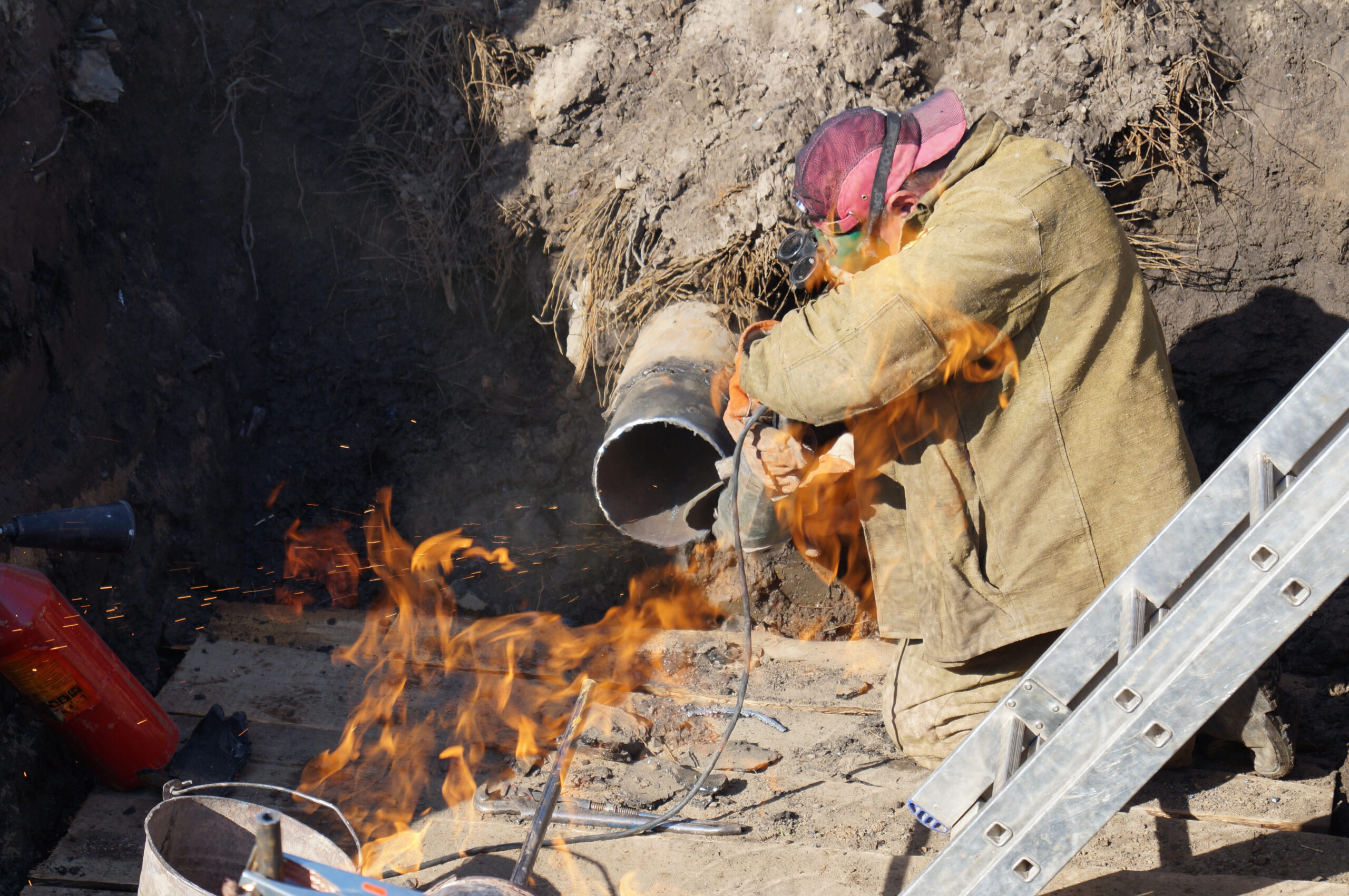
Sometimes, when staff raise safety concerns, the response from employers isn’t always supportive. You might notice changes to your hours, duties or team dynamics afterwards. These can be signs of possible retaliation.
Even if it feels minor, it’s worth writing things down as they happen. A pattern can build over time and may be easier to spot when it’s written out. Keeping a timeline also helps if you need to explain what’s happened later on.
You can ask for advice from a union or an outside organisation if you're unsure about your rights. Some situations may be legally protected, especially if you've raised a genuine concern in good faith.
When several people in a workplace report similar experiences, it might suggest a broader issue. In some cases, this has led workers to explore whether a group claim could help bring attention to the problem.
If you’ve raised a concern and are unsure about what’s happened since, we provide information that may help you decide what to do next.
Class actions enable employees to come together to address shared concerns, share experiences, and exert greater pressure for accountability.
Some factors may be relevant to potential eligibility for a class action. However, this is not an exhaustive list, and none of these factors guarantee eligibility on their own.
A key feature of a class action involves a group of people who have experienced similar harm or unsafe conditions. Suppose many employees face the same unfair treatment or hazardous working conditions, such as faulty equipment, toxic chemicals, or excessive workload. In that case, this may strengthen the perception of a broader, collective issue.
It also means the legal team can focus on proving a pattern rather than handling individual stories one at a time.
If an employee raises concerns about an unsafe working practice and no action follows, this may raise concerns under health and safety law. If employers fail to investigate, address the issue, or communicate effectively, this could increase the likelihood of accountability if harm occurs later.
An unsafe working practice can lead to physical injury, such as a fall or machinery accident, or long-term health problems caused by stress, exhaustion, or exposure to hazardous substances.
Emotional harm and mental health issues like anxiety, burnout, or PTSD are also examples. When multiple people have experienced similar effects, it may suggest the issue is systemic rather than isolated.
Long-term safety risks, such as outdated equipment, mould exposure, or chronic understaffing, may suggest an employer has neglected its duty. Suppose the issue or unfair treatment has been present for months or years without proper intervention. In that case, this may indicate a recurring problem with workplace safety standards.

If a workplace has failed inspections, breached safety policies, or not followed guidance from regulators such as the Health and Safety Executive (HSE), these factors may carry weight in a class action. An employee may not always know what laws or employment rights were broken and not honoured, but investigations or external reviews may uncover this..
Sometimes, a toxic work environment doesn't affect everyone equally. For example, agency staff, night shift workers, or non-English-speaking employees may face higher risks due to a lack of training or support.
If an employer punishes, ignores, or intimidates an employee after they raise safety concerns, this may indicate a breakdown in workplace trust and culture. Retaliation might include reduced hours, demotion, workplace bullying, or unfair dismissal. Group claims or external scrutiny may also highlight workplace cultures where these issues occur.
If employees have already sought help through HR, a union, or regulators without results, a class action may be one possible route. When internal systems don’t resolve employee concerns, some people explore group legal options. Some view class action as more practical than pursuing multiple cases, particularly where workers have limited resources or time.
When safety issues affect more than one person, it often helps to consider the broader perspective. Some workers remain quiet out of fear or uncertainty, while others may feel that nothing will change. But even small steps can make a difference, especially when taken together.
Learning about your rights is a crucial first step. Whether you're still employed or have already left the job, understanding how the law views workplace safety can help you decide what to do next. Many people don’t realise they could be part of a wider pattern until they speak with others or see similar stories.
Sometimes, a shared concern leads to a shared response. Group legal claims often begin when workers notice that their experiences aren't isolated. These claims aim to hold employers to account and raise standards across the board, not just for those directly involved.
You don’t need to have all the answers. What matters is knowing where to look for support and information. That’s why we offer resources to help you understand if your situation could be part of a larger issue, and what steps you can consider next. Start your free eligibility check today to find out if you may be able to join a group claim.
Everyone deserves a safe and secure workplace. If you've experienced unsafe conditions, you don't have to raise concerns alone. Group legal claims may offer a way for workers to come together, highlight shared concerns, and push for better standards.
Taking collective action can also help protect others in similar roles. When employees stand together, it sends a strong message: health and safety should never be optional, and fair treatment is a right every worker deserves.
At LegalClaimPro, we provide clear, accessible information to help you understand your options. By learning about your rights and exploring available resources, you’re already taking a step toward making your workplace, and others like it, safer.
Use our free tool to see if you may be able to join a workplace safety group claim. It only takes a few minutes.
Many people join class actions while still employed. Workers have the right to a safe workplace, and employment protection safeguards them from retaliation when they enter a group claim.
In the UK, there are usually time limits for starting a group claim. If you are unsure, please consult a qualified legal adviser.
Class actions can take time because they involve many people and complex legal issues. While some may be resolved within three years, others can take longer, depending on the circumstances.
You don’t need to provide everything yourself. Any evidence you have, such as emails, reports, or witness accounts, can be helpful. The legal team will also utilise information from other group members to investigate patterns across the workplace.
Your information is usually handled confidentially. Class actions don’t always publicly name individuals, and protection laws exist to prevent retaliation for joining a claim.
Legal and Consumer Guidance Notice
The content on this page is provided by LegalClaimPro Limited, a company registered in England and Wales, with registration number 16907238. It is intended for general informational purposes only and is written for UK consumers seeking to understand group and class action claims. LegalClaimPro does not offer legal advice, and no lawyer-client relationship is created by viewing or interacting with this content. While we aim to keep our information accurate and up to date, readers should seek qualified legal guidance for advice specific to their situation. LegalClaimPro accepts no liability for actions taken based on this content.
Please note: LegalClaimPro is a trading name of Mediatasks Limited, a company registered in England and Wales, with number 08556369, and registered office at 9 The WorkStack, 599 Woolwich Road, London SE7 7GS. We are not a law firm. We connect individuals with law firms for group claims and may receive a fee from these firms.
We do not charge consumers or provide legal advice. We are not responsible for the advice given by any firm we connect you with. Information on this site is for general purposes only and should not be considered legal advice. Professional legal advice should always be sought independently. By using this site, you agree to this. If you disagree, please do not use our site. For Free Legal Advice, visit the Law Society website, the independent professional body for solicitors in England and Wales.
