It’s more common than you might think, and for many people, it leads to years of regret, pain, and added costs.
Tooth extractions are usually performed for a good reason, such as severe decay, infection, or overcrowding. But not every removal is justified. Patients in the UK have reported teeth being taken out unnecessarily, often without proper diagnosis or alternative options being discussed.
In fact, the General Dental Council receives hundreds of complaints every year involving dental negligence, including cases where extractions were later found to be avoidable.
An unnecessary tooth extraction isn’t just a dental error; it can lead to nerve damage, speech problems, long-term dental work, and emotional distress. One woman in London told us she still can’t smile with confidence after losing a front tooth that should have been saved. “I trusted them,” she said. “Now I need implants I can’t afford.”
If something like this has happened to you, you might be eligible to make a tooth extraction claim.
This guide walks you through how to spot signs of negligence, what evidence you’ll need, and how to take the next step, without legal jargon or pressure. We're here to help you understand your rights and regain control.
An unnecessary tooth extraction occurs when a dentist removes a tooth that could have been saved with the proper care. This may occur due to a misdiagnosis, failure to conduct appropriate checks such as X-rays, or a rushed decision made without exploring alternatives. When a tooth is removed without a clear clinical need, it’s known as an unnecessary tooth removal, and it can cause long-term physical and emotional harm. Many people don’t realise their experience may qualify for a tooth extraction claim until much later.
If you’ve suffered from an unnecessary tooth extraction, understanding your rights is the first step. A tooth extraction claim may be possible if a competent dentist had acted differently in your situation. These claims exist to support patients who have been let down by poor dental care. If you believe your unnecessary tooth removal could have been avoided, seeking advice can help you decide whether to take the next step.
A tooth may be incorrectly removed if a dentist misdiagnoses the problem or fails to investigate it thoroughly. This often includes skipping X-rays or missing signs of treatable issues, such as gum disease or nerve inflammation. If a root canal, crown, or another option was available but ignored, the extraction might have been avoidable. In such situations, the decision to remove the tooth may not have been based on proper clinical judgment. That can lead to serious consequences and may form the basis of a tooth extraction claim.
Some extractions occur too quickly, without the patient being given sufficient time to ask questions or understand their options. Dentists are expected to explain the risks and alternatives clearly before proceeding. If you felt rushed or pressured, the removal may not have been fully informed. This type of unnecessary tooth removal can lead to emotional distress and ongoing dental issues. In such cases, it’s essential to determine whether the treatment was truly justified.
Teeth are sometimes taken out for reasons that don’t hold up under proper scrutiny. For example, a dentist may remove a healthy wisdom tooth that isn’t causing pain or infection. Others may resort to pulling teeth to create space for braces without considering non-invasive options. These actions may prioritise convenience over patient wellbeing. If you experienced this, you could be eligible to make a tooth extraction claim.
The effects of losing a tooth unnecessarily can last for years. Teeth may shift, causing bite problems or long-term discomfort. The bone in the jaw may shrink, especially if the tooth isn’t replaced. There’s also the emotional toll; many people report feeling self-conscious or struggling to smile after an unexpected extraction. These outcomes often follow an unnecessary tooth removal that could and should have been avoided.
Not every poor outcome is classed as dental negligence, but some are. The key question is whether a competent dentist would have chosen a different approach in the same situation. If the answer is yes, and harm was caused, you may have grounds for a tooth extraction claim. Legal support can help you understand where the line was crossed. Taking action may also help prevent others from facing the same treatment.
If you’ve experienced an unnecessary tooth removal, now is the time to find out where you stand. You may be entitled to make a tooth extraction claim and hold your dental provider accountable.
Many people don’t realise that a poorly handled procedure, like an unnecessary tooth extraction, can have legal consequences, especially when it causes lasting harm. A tooth extraction claim not only helps you seek compensation but also highlights poor practices and protects others from future unnecessary tooth removals.
Don’t wait to take action. Exploring your options is quick, confidential, and could lead to meaningful support. If you suspect you were harmed by an unnecessary tooth extraction, checking your eligibility for a tooth extraction claim is the first step. You deserve answers, and we are here to help you move forward.

If you believe a tooth was removed without a proper reason, you might be eligible to make a tooth extraction claim. This type of claim applies when a dentist causes avoidable harm through an unnecessary tooth removal, especially if it leads to pain, additional treatment, or emotional distress. While not every mistake qualifies as negligence, some cases clearly fall below the standard of care that is expected. Here are a few key signs that may show you have a valid claim.
If the dentist removed your tooth without proper checks, such as X-rays or a comprehensive assessment, that’s a warning sign. A tooth should only be extracted when other treatments are not suitable or have failed. Misreading symptoms or failing to explore all available options may indicate negligence. Without a precise diagnosis, the removal may have been unnecessary. This can support your right to file a tooth extraction claim.
Dentists should offer safer alternatives before recommending extraction. Standard options include root canal treatment, gum therapy, or fitting a crown. If none of these were discussed or even mentioned, the decision to remove the tooth may have been made hastily or without proper consideration. Patients deserve to know their choices before such a permanent step is taken. A lack of options is often linked to unnecessary tooth removal.
A dentist must clearly explain the risks, benefits, and purpose of the procedure before moving forward. If you didn’t fully understand what was being done or weren’t given enough time to decide, you may not have given proper consent. Some people only realise this after the damage is done. Without informed consent, even a medically sound procedure can result in a valid tooth extraction claim.
Tooth loss can lead to years of physical and emotional difficulty. You may experience shifting teeth, changes in your bite, or loss of jawbone density. In many cases, people need implants or corrective work that could have been avoided. The emotional impact, especially when front teeth are involved, is also essential. When harm like this follows an unnecessary tooth removal, a claim can help you seek justice.
To make a successful tooth extraction claim, you need to show that the removal was avoidable and that it caused you harm. This means proving that the dentist's care fell below expected standards and that the unnecessary tooth removal caused damage to your life. Substantial evidence can help build a clearer picture of what happened and why it matters. The more detailed your proof, the better your chances of making a strong claim.
Your dental records are one of the most critical parts of your claim. They show what diagnosis was made, what treatment options were considered, and why the extraction took place. If the records show that no alternatives were explored, this may support your case. You have the right to request these records from your dental practice. They help establish whether the tooth extraction was vital.
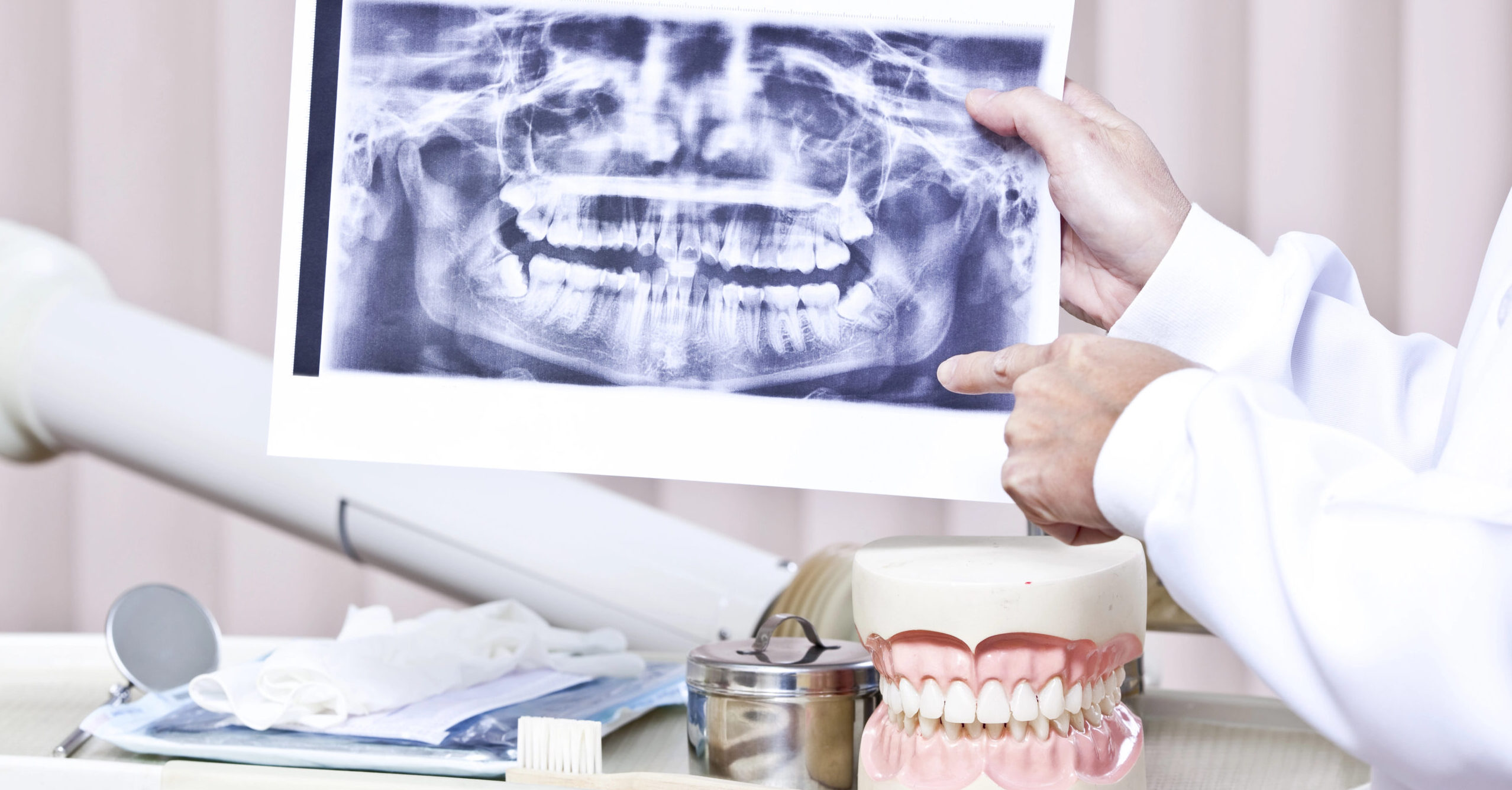
Any scans, like intraoral scans or X-rays, taken before your extraction can play a crucial role in the investigation. These images may indicate whether the tooth was healthy, treatable, or potentially salvageable. If no imaging was done at all, this could also support your claim for tooth extraction. A dentist should always investigate thoroughly before deciding to remove a tooth. These scans can provide clear visual evidence of whether the removal was justified.
A consent form should outline the planned treatment, including any associated risks and alternatives. But signing a form does not always mean the consent was informed. If you were not given clear explanations or felt pressured to agree, that could raise concerns. In many unnecessary tooth removal cases, patients say they were not adequately informed. That lack of clarity can be an essential part of your claim.
If someone attended your appointment with you, their account can help confirm what happened. They might recall what was said before or during the procedure, as well as whether you seemed confused or unsure. Witnesses can also speak about the impact of the extraction afterwards. Their statement adds an outside view to support your own experience. This can be especially useful if your claim involves a communication issue.
To complete a tooth extraction claim, you will also need to show how the removal has affected you. This might include follow-up treatment costs, dental reports, photographs, or personal notes about your pain or emotional distress. If the removal has caused visible changes, loss of function, or long-term problems, this evidence matters. It helps show the real-world impact of an unnecessary tooth removal and why compensation may be justified.
Making a tooth extraction claim may sound overwhelming, but the process is more straightforward than most people expect. With the proper guidance, you can move forward step by step. From gathering documents to connecting with legal professionals, knowing what to expect helps you feel more in control. Here's how the process typically unfolds.
The first step is checking whether you may be eligible to claim. This usually involves answering a few simple questions about what happened and when. You may be asked about symptoms, treatment, and whether alternatives were offered. This quick check helps identify whether your situation may qualify as dental negligence. If your case is suitable, you can proceed with gathering evidence.
Once you have a basic outline of the issue, the next stage involves collecting relevant documents. This includes dental records, X-rays, consent forms, and any other documentation that shows what happened and how it affected you. Clear evidence helps your case withstand legal scrutiny. If necessary, your legal team can request records on your behalf. Strong documentation makes the rest of the process much smoother.
A legal expert will then assess your situation and advise you on your options. They will examine whether a competent dentist would likely have acted differently and whether your harm was avoidable. If they believe you have a case, they may offer to take it forward on your behalf. Many claims are handled on a no-win, no-fee basis. At this point, you can decide whether to move forward.
If you choose to proceed, the claim will be formally submitted. Your legal team will contact the dental provider or their insurer with the details of your case. In some situations, a resolution may be reached without going to court. The goal is to secure fair recognition for the harm caused by the unnecessary tooth removal. You will be kept informed throughout the process.
If your claim is successful, you may receive compensation for treatment costs, emotional impact, and any long-term effects. You may also gain peace of mind from knowing that your case has been heard. Even if the outcome takes time, many people find that taking action helps them move forward. It’s not just about money, it’s about fairness and closure.
If you’re unsure where to start or feel ready to take the next step, you can join our programme. It’s free, quick to complete, and designed to help people just like you understand their rights and take action with confidence.
If you’re thinking about making a tooth extraction claim, it’s essential to understand the time limits involved. These deadlines are set by law and affect your ability to take action. Acting early gives you the best chance of building a strong case. Here’s what you need to know.
Most dental negligence claims in the UK must be started within three years. This is counted either from the date of the tooth extraction or from when you first realised something had gone wrong. Missing this window can make it more challenging—or even impossible—to claim. If you’re unsure when your three years started, it’s best to ask a legal adviser. They can help confirm your position.
Some people have longer to claim, depending on their age or circumstances. For example, if the patient was under 18 at the time, the three-year limit usually starts on their 18th birthday. In cases where an individual lacks mental capacity, the time limit may be suspended. These exceptions allow for more time, but they still require careful handling. A delayed claim is always more complicated to prepare, so don’t wait if you think your case qualifies.
Even if you still have time left, gathering evidence is easier when events are fresh. Records are more available, and details are more precise in your memory. Taking early action also allows for quicker legal advice and less stress later on. If your case involves an unnecessary tooth removal, starting now gives you the best possible chance. It also helps protect your legal rights.

If your experience with an unnecessary tooth removal feels familiar or part of a broader issue, you may not be the only one. When multiple people are affected by the same dentist, practice, or treatment failure, it can lead to a group claim. These claims enable individuals to come together and take legal action collectively, making the process more transparent, stronger, and often faster.
Group claims are constructive in dental negligence cases where similar harm has happened to several patients. If your case fits with an existing action, it may offer a simpler and more supported way to seek compensation and accountability.
Being part of a group claim means you're not doing this alone. You’ll benefit from shared evidence, expert legal guidance, and the reassurance of moving forward with others in the same position. It can also reduce your stress, legal costs, and time spent gathering proof. For many people, this approach makes the process feel more manageable and more impactful.
If you believe your tooth was removed unnecessarily and you’re unsure what to do next, we’re here to help. You may be able to join others in holding dental providers accountable and securing the support you deserve.
Checking your eligibility takes just a few minutes, and there’s no pressure to commit. It’s a simple way to determine if your experience aligns with an active claim and what your next steps could be.
Visit our group actions page to explore open claims and find out if you may qualify. We’ll guide you with clear information and ongoing support every step of the way.
An unnecessary tooth removal occurs when a dentist removes a tooth that could have been saved with proper treatment. This might include cases where no X-rays were taken, safer options weren’t discussed, or the wrong tooth was extracted. If the decision wasn’t based on sound clinical judgement, it could be classed as dental negligence. These cases may qualify for a tooth extraction claim.
Yes, you’ll need some form of evidence to support your claim. This usually includes dental records, X-rays, and notes about your treatment. You can also include consent forms, witness statements, and details of how the removal has affected you. The more clearly you can show avoidable harm, the stronger your case will be.
Most people have up to three years from the date of the tooth extraction or from when they first noticed something was wrong. In some cases, such as with children or individuals lacking capacity, different rules apply. It’s best to act as early as possible so the records and details are still fresh. If you’re unsure about timing, a legal expert can help confirm it for you.
Not always. Many dental negligence claims are resolved through negotiation without the need for a court hearing. If your case does go to court, your legal team will guide and support you throughout. Most people find the process less stressful than they expected.
You can check for similar cases on our group actions page. If others have experienced the same issue with a dentist or clinic, it may already be part of an active claim. Joining a group claim can make the process easier and more effective. You don’t have to face this alone.
Legal and Consumer Guidance Notice
The content on this page is provided by LegalClaimPro Limited, a company registered in England and Wales, with registration number 16907238. It is intended for general informational purposes only and is written for UK consumers seeking to understand group and class action claims. LegalClaimPro does not offer legal advice, and no lawyer-client relationship is created by viewing or interacting with this content. While we aim to keep our information accurate and up to date, readers should seek qualified legal guidance for advice specific to their situation. LegalClaimPro accepts no liability for actions taken based on this content.
Please note: LegalClaimPro is a trading name of Mediatasks Limited, a company registered in England and Wales, with number 08556369, and registered office at 9 The WorkStack, 599 Woolwich Road, London SE7 7GS. We are not a law firm. We connect individuals with law firms for group claims and may receive a fee from these firms.
We do not charge consumers or provide legal advice. We are not responsible for the advice given by any firm we connect you with. Information on this site is for general purposes only and should not be considered legal advice. Professional legal advice should always be sought independently. By using this site, you agree to this. If you disagree, please do not use our site. For Free Legal Advice, visit the Law Society website, the independent professional body for solicitors in England and Wales.
