In the United Kingdom, more than 15 million people rely on full or partial dentures every day. For many of us, dentures are essential to eating, speaking, and feeling confident. When they cause pain rather than comfort, they can affect far more than just our smile.
We often see from public records and case histories that painful dentures are linked to poor fit or inadequate dental care. People report sore gums, mouth ulcers, and ongoing irritation that makes everyday activities uncomfortable. In some situations, dental professionals have later confirmed that ill-fitting dentures directly contributed to the harm experienced.
When dentures do not sit properly, they can move while talking or eating. This constant friction can lead to pressure points, infections, and long-term jaw discomfort. Many people also experience difficulty chewing or speaking clearly, which can take a real toll on daily life. Where these problems appear in dental records, they can help explain what went wrong and whether the treatment met expected standards.
If you have been living with painful dentures, it may be worth taking a moment to understand your options. We are here to help you explore information at your own pace, answer questions, and support you in understanding the next steps.
In real cases involving painful dentures, we often find that the discomfort began with a mistake during the design, fitting, or adjustment of the dentures. Legal and medical records show that when dental professionals fail to provide appropriate care, the consequences can include long-term pain, repeated visits, and a significant impact on our quality of life.
Compensation claims often arise from situations where dentures were poorly fitted or adjusted without proper care. This could include missed signs of infection, failure to address ongoing discomfort, or ignoring requests for a better fit. These aren’t just minor inconveniences; they can lead to jaw pain, gum damage, and difficulty speaking or eating.
In some cases, painful dentures are part of a wider issue. If a misdiagnosis or surgical error worsened the situation, a dental negligence claim may also include elements of hospital or clinical negligence. These claims can include general damages for pain and suffering, and special damages to help recover lost income, travel costs, or other expenses caused by the poor treatment.
Whether the treatment was provided by an NHS dentist, a private practice, or a dental technician, all dental professionals are expected to follow the standards set by regulatory bodies such as the General Dental Council. If those standards are not met, and we suffer avoidable harm, it could be the basis of a dental negligence claim.
Legal teams usually begin by reviewing our dental records, taking statements, and understanding what went wrong. If painful dentures have caused more than just discomfort, it may be time to ask whether the care we received truly met the standard we deserved.
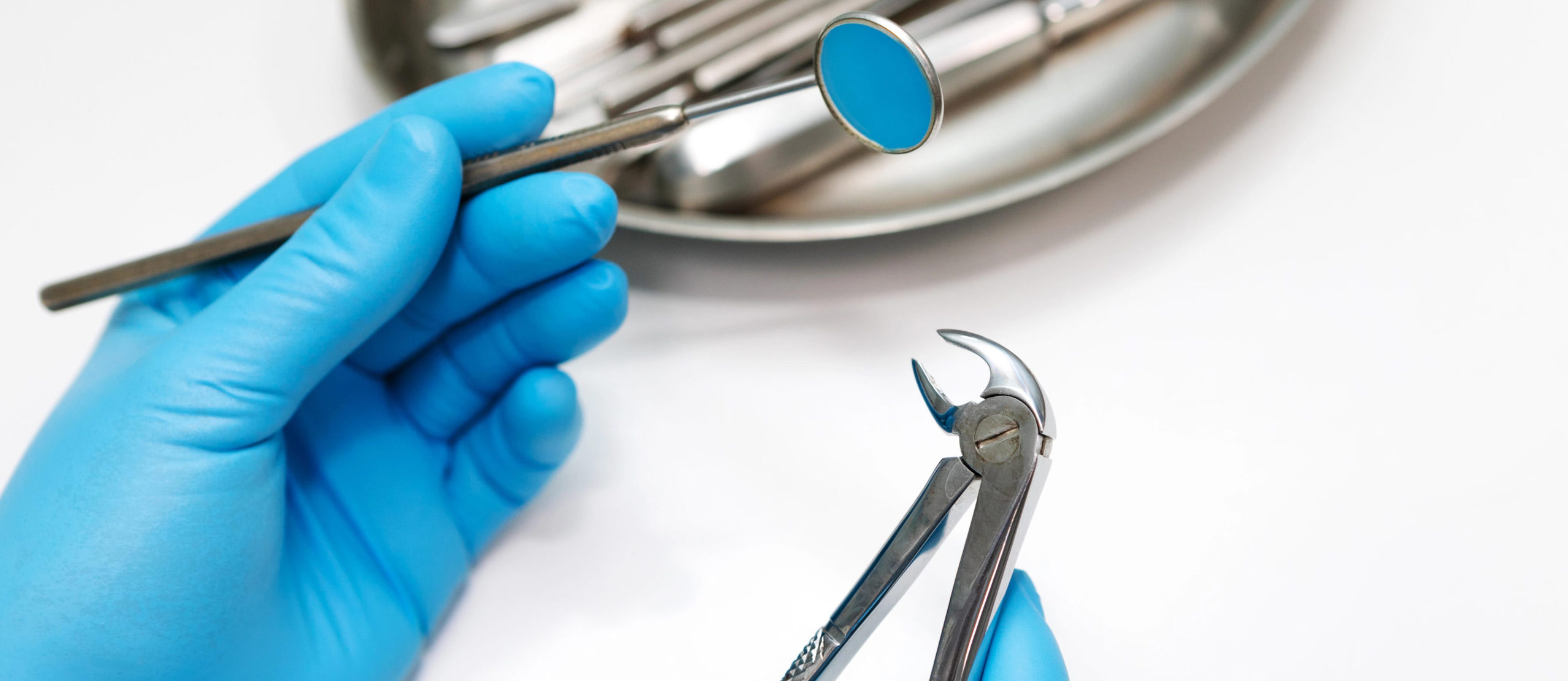
When dentures don’t fit correctly, they can cause more than just discomfort. Painful dentures often trigger a series of ongoing health problems that affect how we eat, speak, and feel each day.
Painful dentures frequently cause sores or ulcers, especially along the gums and inner cheeks. These injuries are caused by constant rubbing or pressure and can make even light chewing feel unbearable. When ulcers persist or worsen, they may indicate poor denture design or improper fit.
Denture stomatitis is a common condition associated with painful dentures. It’s a fungal infection that leads to redness, swelling, and a burning sensation in the mouth. Often, this condition develops when dentures trap bacteria and yeast against the gum tissue. Left untreated, it may result in tooth decay or gum infections.
Ill-fitting dentures can shift the natural alignment of our jaw. This misalignment may lead to chronic joint pain or make it harder to bite down evenly. Some people report sharp pain while eating or a persistent jaw ache, often made worse by unstable dentures.
When our dentures move while we talk or eat, it can cause embarrassment and even change our eating habits. Foods that were once enjoyable might be avoided, and daily routines become stressful instead of seamless.
Living with painful dentures affects more than just our oral health. These issues show up in everyday moments, making us feel uncomfortable, frustrated, or even isolated.
Chewing becomes difficult when dentures shift out of place or press on sore areas. We might stop eating tough or chewy foods altogether, missing out on meals we used to enjoy. Over time, this can even affect our nutrition and energy levels.
If dentures don’t stay in place, speaking clearly can become a challenge. Slurred or unclear speech is a common sign that something isn’t right. Many people feel self-conscious when their speech changes or their dentures make clicking sounds during conversation.
Painful dentures often lead to social anxiety. We may worry about our dentures slipping, making noise, or causing visible discomfort. This hesitation can make social events feel stressful, even when we want to enjoy ourselves.

If you’re living with painful dentures, you may be wondering whether the discomfort you're experiencing could be linked to dental negligence. You’re not alone; many people across the UK have pursued compensation after suffering avoidable harm from poorly fitted or mismanaged dentures.
Public case histories and compensation claim records show that when dentures cause persistent pain or sore spots even after repeated adjustments, it may be a sign of negligent dental care. If your dentures shift while you're talking, slip when you're eating, or constantly feel unstable, these are all issues that have been highlighted in past dental negligence claims.
Courts and legal teams often rely on evidence such as dental records, photographs, and clinical notes to build a complete picture. If you’ve had to return to the dentist multiple times to fix the same problem, or if you’re still experiencing pain weeks after fitting, those details could support your claim. Painful dentures shouldn’t be something you’re expected to “just live with.”
You might also find that expert reports from independent dental professionals can help confirm whether your dentures were made or fitted correctly. Their opinions often play a crucial role in determining whether a breach of professional standards occurred.
In some cases, even if the treatment happened a while ago, the Limitation Act 1980 may allow you to make a claim. Courts can sometimes extend time limits under Section 33 if they believe it’s fair to do so, particularly when the harm wasn’t immediately obvious.
Specialist solicitors may use tools such as dental negligence compensation calculators to estimate the value of your claim. However, final amounts are based on how much harm you experienced and how strong your evidence is.
If your painful dentures have disrupted your daily life or caused lasting discomfort, now is a good time to explore whether your situation could qualify for a dental negligence claim. Understanding your options doesn’t cost anything, and it could help you take the first step toward relief.
If you're considering filing a claim for painful dentures, it's normal to feel unsure about what the process entails. You don’t need legal experience or detailed knowledge before exploring your options. In fact, many people begin with just one thing: discomfort that won’t go away.
When you reach out for help, you’ll usually start with a simple eligibility check. This involves reviewing your dental records and explaining your experience, when the pain began, what your dentist told you, and how it’s affected your daily life. From there, legal professionals can assess whether the treatment you received fell short of accepted standards.
Painful dentures may seem like a minor inconvenience, but when they lead to ulcers, jaw strain, or constant irritation, they can significantly impact your quality of life. That’s why it’s important to speak up early and have someone review the situation with you.
A legal team may arrange an independent dental review to confirm whether the denture was made or fitted improperly. If negligence is found, they can advise whether a claim is worth pursuing. Many claims are handled on a no-win, no-fee basis, which means you won’t face costs unless the case succeeds.
You’re not committing to anything just by asking questions. But if your painful dentures have made eating, speaking, or simply living day to day more difficult, finding out where you stand could bring both clarity and peace of mind.
And if you're ready to explore your options or want to learn more about others’ experiences, LegalClaimPro’s resources offer trusted guidance, real examples, and helpful next steps.
If you're considering a claim for painful dentures, understanding the process can help ease concerns. Most dental negligence claims begin with an initial review by a legal team, which will examine your case details and dental records to assess whether negligent treatment may have occurred. You don’t need legal knowledge or documentation upfront, just a clear account of what happened and when the problems began.
Once your claim is accepted, your solicitor may arrange for an independent dental expert to assess your condition. This specialist will determine whether your treatment fell below professional standards and if it directly caused your pain or injury. You might be asked to attend a dental examination to support the expert's report.
Your legal team will then gather supporting evidence, including photographs, statements, and correspondence with your dentist. They will handle negotiations with the opposing party—whether it’s an NHS trust, private clinic, or insurance firm, keeping you informed at every step.
Many dental negligence claims settle without going to court. If your case does proceed to a hearing, your solicitor will represent you and manage the legal presentation. You remain in control throughout and can ask questions or request updates at any point.
Ultimately, compensation may include general damages for pain and suffering, and special damages for financial losses, such as extra dental care or missed work. The goal is to ensure you receive recognition for what went wrong, and support in moving forward with your oral health.
Painful dentures are not something we should just "get used to." If we’re dealing with frequent sores, swelling, or jaw pain, it’s time to seek help. Even if we’ve already visited the dentist who fitted them, getting a second opinion is a smart step, especially from someone who wasn’t involved in the original process.
Some people discover their dentures weren’t designed to match their bite or were made using outdated methods. In cases like these, the discomfort we feel may be due to negligence during the fabrication or fitting.
The earlier we identify the problem, the better our chance of stopping it from getting worse. Seeking advice now can protect our health, restore confidence, and, if needed, open the door to exploring a dental negligence claim related to painful dentures.
If your dentures have caused you discomfort, sores, or have simply never felt right despite adjustments, it might be time to see whether you’re eligible for a dental negligence claim.
At LegalClaimPro, we help people understand their options with no pressure and no upfront cost. You don’t need to know whether you have a strong case; just share your experience, and we’ll guide you from there.
Our free eligibility checker takes only a few minutes. It’s secure, simple, and gives you a clearer idea of what to do next. You’re never obligated to move forward; this is just a first step toward getting the clarity you deserve.
Check your eligibility and take that step at your own pace. To take the next step, you’ll do it with the correct information, not fear or uncertainty. Sometimes, getting started is the hardest part. But once you do, everything becomes easier to navigate. Check your eligibility now because it’s free, takes just minutes, and puts you in control.
Painful dentures are more than occasional soreness. If dentures cause persistent pain, mouth ulcers, gum irritation, or jaw discomfort that does not improve after adjustments, these issues may indicate a poor fit or negligent treatment. For some people, the pain affects daily activities like eating and speaking. When these problems stem from dental care that did not meet professional standards, they can be part of a claim for dental negligence.
A second opinion from a dentist who was not involved in your original treatment can help show whether your dentures were fitted appropriately. They can assess your denture fit, examine oral tissues for irritation, and compare what you’re experiencing with expected care standards. If it’s clear that the dentures don’t fit as they should and that this has led to ongoing pain, this assessment can support a dental negligence claim.
In the UK, there are time limits for negligence claims, generally measured from when you first realised you were harmed. This is normally three years, but there are exceptions. In some cases, courts can consider a claim outside the usual time frame, such as under Section 33 of the Limitation Act 1980, if it’s fair to do so. Legal specialists can explain how these time limits might apply to your situation.
Critical evidence includes dental records, clinical notes, photographs of sores or irritation, and any correspondence with your dental provider. Expert reports from dental professionals who review your case can also be influential. Together, these documents help show what treatment you received, what problems developed, and whether the care you were given met the standards expected of dental professionals.
Not necessarily. Many dental negligence claims, including those involving painful dentures, are resolved through negotiation or settlement without a court hearing. Your legal team will guide you through each step and explain what to expect. You remain in control of how your case progresses, and a settlement can be reached based on the strength of the evidence and discussions between legal representatives.
Legal and Consumer Guidance Notice
The content on this page is provided by LegalClaimPro Limited, a company registered in England and Wales, with registration number 16907238. It is intended for general informational purposes only and is written for UK consumers seeking to understand group and class action claims. LegalClaimPro does not offer legal advice, and no lawyer-client relationship is created by viewing or interacting with this content. While we aim to keep our information accurate and up to date, readers should seek qualified legal guidance for advice specific to their situation. LegalClaimPro accepts no liability for actions taken based on this content.
Please note: LegalClaimPro is a trading name of Mediatasks Limited, a company registered in England and Wales, with number 08556369, and registered office at 9 The WorkStack, 599 Woolwich Road, London SE7 7GS. We are not a law firm. We connect individuals with law firms for group claims and may receive a fee from these firms.
We do not charge consumers or provide legal advice. We are not responsible for the advice given by any firm we connect you with. Information on this site is for general purposes only and should not be considered legal advice. Professional legal advice should always be sought independently. By using this site, you agree to this. If you disagree, please do not use our site. For Free Legal Advice, visit the Law Society website, the independent professional body for solicitors in England and Wales.
