But what if the 3D image of your mouth, your intraoral scan, was stored, shared, or reused in ways you never agreed to?
Across the UK, intraoral scans are now a standard part of modern dental care. More than 70% of dental practices utilise them for procedures such as Invisalign, implants, crowns, and cosmetic treatments. Unlike old-fashioned moulds, these scans create precise, lasting digital models of your teeth and gums.
This shift to digital dentistry has improved patient comfort and treatment quality. But it has also raised new questions. Some legal claims allege that organisations have used intraoral scan data for commercial projects rather than patient care, without obtaining explicit permission.
Regulators and patients have questioned whether dental providers correctly informed patients about how they use their scans and whether those uses comply with strict UK data protection laws. In some cases, dental practices shared scan data without clearly explaining the reasons for doing so.
As investigations into potential group claims continue, the key question is straightforward: Was your intraoral scan used solely for your treatment, or was it used for another purpose?
Find out what your rights are and learn more about how to take action through our group claim resources.
A dentist or dental professional creates an intraoral scan by using a 3D scanner to capture a detailed digital image of your mouth. The scanner takes thousands of high-resolution photos each second, and specialised dental software stitches them together to form a precise model of your teeth, gums, and bite.
An intraoral scan provides far more than a simple visual snapshot. It reveals tooth alignment, gum health, and wear patterns that can signal early signs of issues such as jaw problems or gum disease. Because it contains detailed health information, professionals often classify the data captured during an intraoral scan as sensitive medical information.
Dentists commonly use intraoral scans to plan procedures such as implants, crowns, cosmetic restorations, and clear aligners. They are also used in general dental care to replace older impression methods, providing a more comfortable experience for patients during procedures such as dental restorations and veneers.
These digital files are typically stored within the dental practice’s systems or securely transferred to a dental lab for the creation of custom appliances. But once created, an intraoral scan can last for years, which is why questions about how this data is stored, shared, or reused continue to surface in legal and regulatory reviews.
As these scans often include personal and biometric details, legal cases have raised concerns about whether using each intraoral scan remains within the bounds of the agreed treatment or in ways the patient didn’t expect.
If you're unsure how some parties used your intraoral scan, check your eligibility with us to understand your rights and what steps you can take.
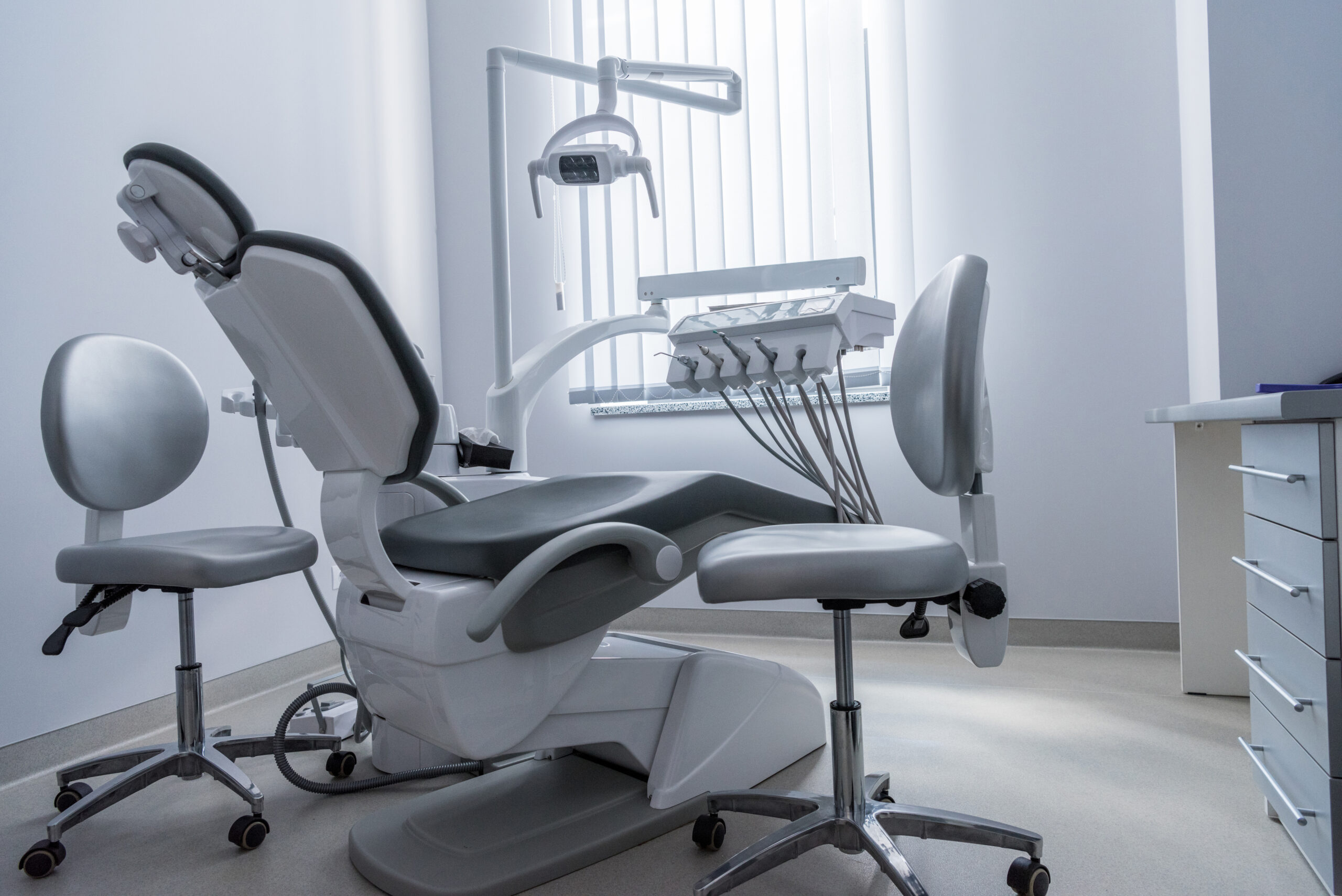
Several legal disputes have raised concerns that some organisations used intraoral scan data collected for dental care in ways patients never agreed to. Some claimants allege that their intraoral scans, taken for orthodontic or restorative treatment, were repurposed for marketing, research, or product development purposes, all without their prior consent or knowledge.
In these cases, dental professionals allegedly stored or shared digital impressions from intraoral scans beyond the original scope of treatment. These actions have raised questions about how dental practices manage sensitive data and whether they correctly informed patients about the potential consequences of sharing their scans.
Some legal filings claim that dental practices passed intraoral scan data to third parties, including dental product manufacturers, laboratories, technology companies, and training organisations. These groups reportedly used the scans to improve dental devices, train AI software, or test new equipment, all of which was far beyond the patient’s direct care.
Patients involved in these cases report that they were unaware of how dental professionals would utilise their intraoral scans. The allegations focus on whether consent forms clearly stated that the practice could share or repurpose the scan data after the dental procedure.
The issue of transparency remains central. As intraoral scan technology becomes more common in modern dentistry, questions about consent, storage, and sharing are drawing attention from legal teams, regulators, and affected patients alike.
If you suspect someone used your intraoral scan beyond your treatment, read our group claim information to understand your rights and next steps.
In legal investigations, a key issue has been whether consent forms clearly explained the manner of using a patient’s intraoral scan. Legal teams have closely reviewed these documents, along with the privacy notices provided before the scan, to determine the patients' awareness of the consent forms.
Some cases have focused on whether contracts between dentists, dental practices, and third-party partners gave others access to intraoral scan data for reasons beyond direct treatment. These agreements have included procedures like cosmetic work, dental crowns, implants, and restorations.
A recurring question has been whether the patient’s original consent covered the broader use of their intraoral scan, or whether a new, specific agreement is required. In several disputes, internal messages between clinics and suppliers appeared to contradict the public-facing privacy statements given to patients.
Courts have assessed how dental groups handled intraoral scan data in relation to strict privacy rules and the professional standards expected in modern dentistry. The goal is to determine whether practices were transparent and whether the use of each intraoral scan stayed within what the patient actually agreed to.
Learn how to take the next step if you believe someone used your intraoral scan without proper consent.
In the UK, the handling of intraoral scan data is subject to strict legal protections. Most notably, the UK General Data Protection Regulation (UK GDPR) and the Data Protection Act 2018 establish clear guidelines on how personal health data, including biometric and clinical details from an intraoral scan, can be collected, stored, shared, and utilised.
Under the UK GDPR, there must be a lawful basis for using personal data. In healthcare, this usually means processing is necessary to deliver care. However, if dental health providers used intraoral scans for secondary purposes such as product development, research, or marketing, the patient’s explicit and informed consent is typically required.
The General Dental Council (GDC) also provides guidance for dental professionals, emphasising the importance of transparency and confidentiality. Any use of intraoral scan data must align with both legal obligations and professional ethics in the dental field.
Regulators verify compliance by reviewing how dental practices manage data, from consent procedures to the clarity of privacy notices. If dental professionals use intraoral scan data in ways that differ from what they have disclosed to patients, regulators may take enforcement action.
These safeguards protect patients and ensure that dental professionals use intraoral scans responsibly and only for their intended purposes.
Explore our resources to learn how UK data laws apply to intraoral scans and what steps to take if you believe someone has misused your data.
In disputes involving intraoral scanning, dentists and other dental professionals claimants have described various effects linked to the alleged secondary use of intraoral scans and data from intraoral scanners. Publicly available case information has raised concerns over privacy breaches, where 3D scanners, such as the iTero intraoral scanner or other intraoral scanner models, have captured detailed digital scans of a patient's mouth, teeth, gums, and bite.
These intraoral scans, created for legitimate dental treatment purposes such as orthodontic treatment, dental implants, cosmetic dentistry, dental restoration, or Invisalign treatment, were allegedly shared or used for purposes beyond the original scope of dental care without transparent disclosure in some cases.
Some claimants have stated that the commercial use of intraoral scanning data without their informed consent has eroded trust in the dental practice or the dentist involved. There were emotional or reputational impacts when sensitive dental impressions, traditional dental impression comparisons, or digital dentistry files were used by third parties, such as dental laboratories or suppliers of dental laboratory equipment, for marketing, product testing, or the development of dental technology.
These cases have also noted the unique nature of biometric identifiers captured during scanning, including distinctive features of a patient's teeth, gums, and jaw alignment. Past filings have also documented how patients became aware of secondary use only after the fact, sometimes when their intraoral scan data appeared in contexts unrelated to the dental treatment provided initially.
For some patients, the issue extended to dental veneers, porcelain veneers, and implants, where dental professionals allegedly repurposed specific scan data of missing teeth or completed work for training or promotional materials. Across these cases, the central focus has remained on whether the handling of intraoral scanning data complied with applicable data protection laws and sector regulations.
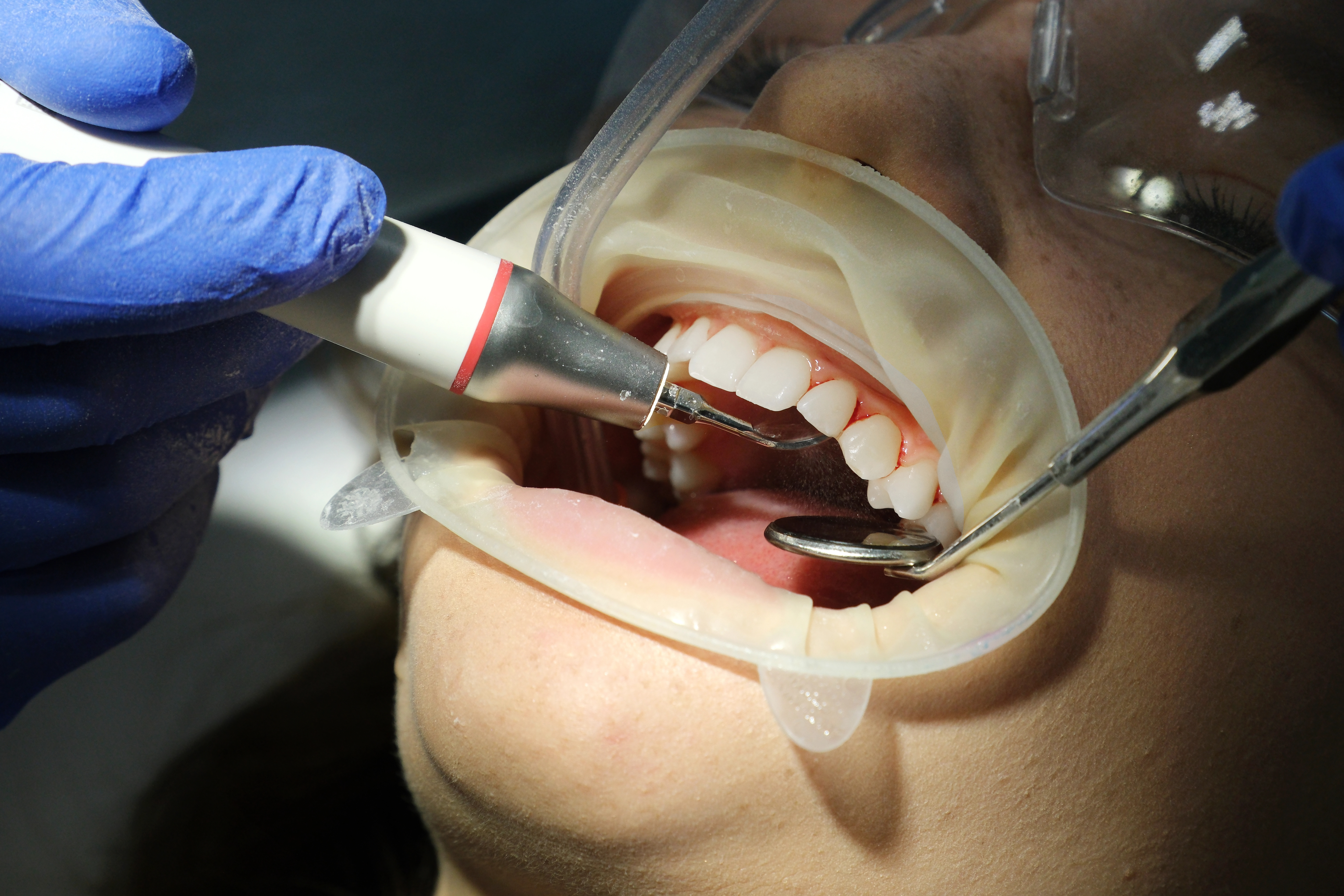
In legal actions involving intraoral scanning, investigators have focused on how and when dental professionals used intraoral scanners, as well as how the resulting scan data was processed, stored, and shared. Legal teams have typically obtained copies of original consent forms, privacy notices, and patient agreements from the dental practice or dentist involved.
Investigators have also examined contracts between dental providers, laboratories, and third-party suppliers, particularly when these agreements permitted the sharing of intraoral scan data for purposes beyond immediate dental care, such as dental implant manufacturing or testing dental restoration products.
Digital forensics has played a key role in these investigations. Reports have analysed metadata from digital or iTero scanners to determine when and where scan files were accessed or transferred.
In some cases, forensic analysis has revealed that dental professionals transmitted patient intraoral scan files to external servers or platforms. Metadata reviews can show whether someone opened a scan multiple times, sent it outside the dental practice’s network, or integrated it into larger digital dentistry projects.
The review process often extends to storage systems used in general and cosmetic dentistry, examining whether someone transferred bintraoral scanning data related to treatments such as root canal treatment, teeth whitening, orthodontic treatment, or implants without the patient's knowledge.
This technical evidence has been central in determining the factual sequence of events in past disputes, supporting court or regulatory assessments of whether the use of intraoral scanning data aligned with patient consent and regulatory requirements.
Allegations of misuse involving intraoral scan data are still under active investigation. These concerns are now part of ongoing legal claims, with several reviewed as potential group actions. In many cases, the central question is whether patients gave explicit consent for the use of their intraoral scan beyond their immediate dental treatment.
Claims have emerged across multiple branches of dentistry, including cosmetic and orthodontic work, implants, and general dental care. Disputes often involve devices like the iTero intraoral scanner or other 3D dental scanning tools.
Evidence reviewed in these cases typically includes the intraoral scan itself, along with dental impressions and digital scan files. Legal teams scrutinise whether dental labs or third-party providers shared data without the patient's knowledge or consent.
Researchers used advanced metadata analysis to trace how and when a patient’s intraoral scan was accessed or moved. This analysis can reveal if files were used beyond the original treatment scope, raising serious questions about consent and data protection.
The outcome of each case depends on the facts, mainly whether some parties used the intraoral scan for purposes not covered by the patient’s consent, and if those actions meet the legal and regulatory standards set for modern dentistry.
If you believe someone misused your intraoral scan, our group claim hub can help you determine the following steps to take.
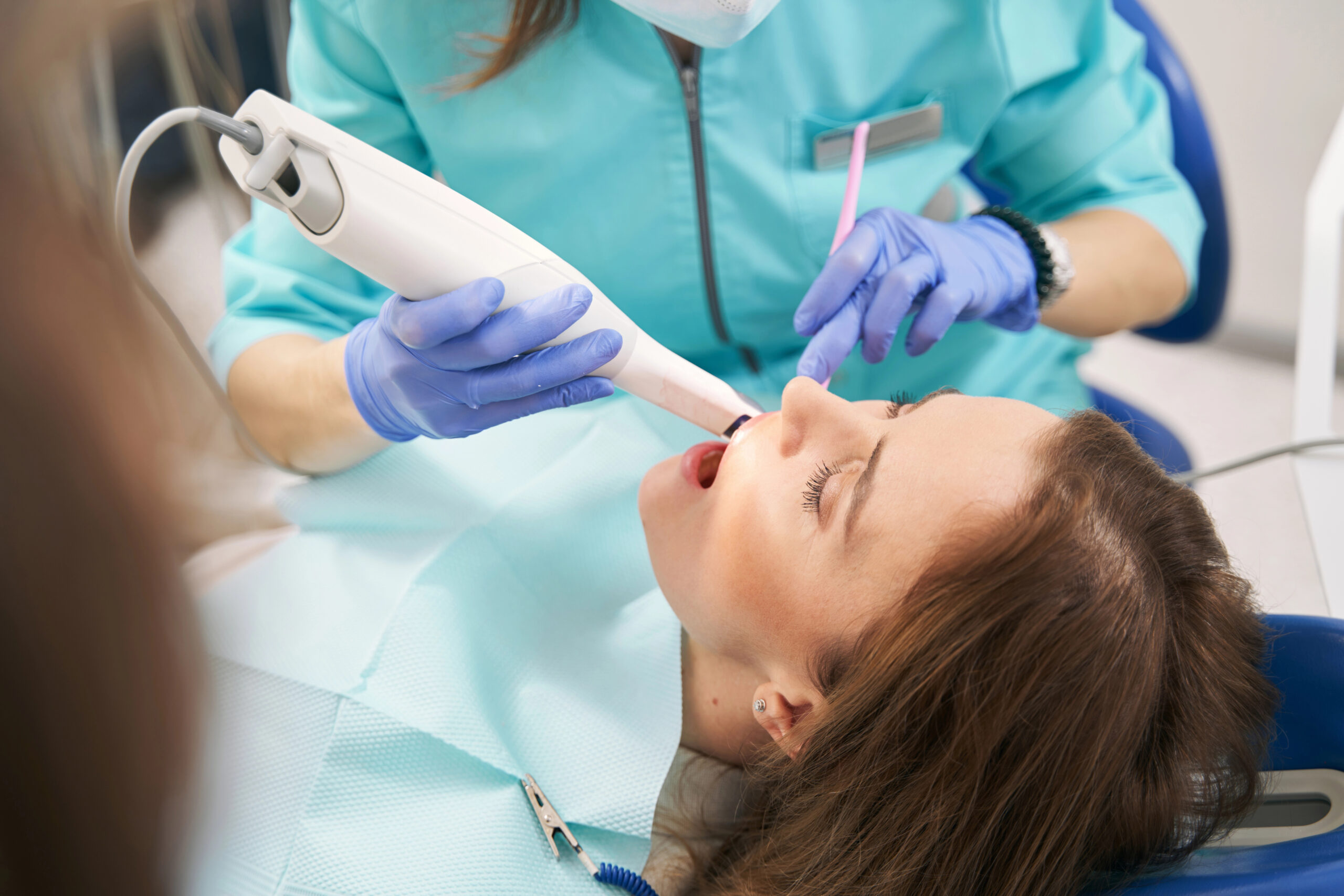
In addition to direct treatment, a growing concern in dentistry involves the potential use of intraoral scans for indirect commercial or research purposes. While many dental patients believe their interaction with a 3D scanner ends once their procedure is complete, legal disputes suggest this might not always be the case.
In various cases, claimants have questioned whether some parties reused their intraoral scans to develop new dental technologies, train AI systems, or refine product designs for aligners, crowns, and other dental appliances.
In some situations, third-party dental labs or technology firms did not clearly inform patients that their scan could be part of a broader data set.
What makes this issue particularly serious is that an intraoral scan is not just a picture. It contains unique dental features, bite alignment, and identifiable health indicators, making it both sensitive and potentially traceable to an individual. The reuse of such data, especially when transferred beyond the dental practice, has raised concerns regarding data protection and consent.
Legal and regulatory professionals are now closely examining whether consent for treatment automatically includes permission for wider data use. In many disputes, this has not been the case. Some patients were surprised to discover that certain groups had shared their intraoral scans with companies involved in dental manufacturing or training without a separate agreement for those purposes.
The increasing reliance on digital records in modern dentistry means that intraoral scans may remain stored indefinitely in practice management systems or cloud-based platforms. This persistence has made it even more critical for patients to understand precisely what they are agreeing to, and for dental providers to explain this transparently.
If you are unsure whether someone reused your intraoral scan for purposes beyond your dental care, we offer guidance to help you understand your rights and next steps.
If you’ve had dental work involving an intraoral scan, and you’re unsure how dental professionals used that data, you’re not alone. Legal and privacy concerns surrounding the reuse of intraoral scans are now the subject of ongoing legal investigations and potential class-action lawsuits.
At LegalClaimPro, we help individuals determine whether someone has used their scan data beyond the original treatment and what steps they can take to pursue a claim.
Visit our group’s claim hub to explore your rights, read our free resources, and find out if you could be part of a wider legal action.
Yes. You have a right to request access to your personal data, including your intraoral scan files, under UK data protection laws. Such access is referred to as a Subject Access Request (SAR), and your dental provider is required to respond within one month.
Dental practices should retain medical records for a reasonable period, often up to 11 years or more. However, if intraoral scans are kept longer than necessary or used for purposes beyond your care without consent, it could raise legal concerns.
Yes. Intraoral scans can contain unique biometric details that may still be identifiable, especially when combined with other data. That’s why they’re protected under privacy laws, even if stripped of direct personal identifiers.
If a dental lab directly participates in your treatment (for example, by creating a crown or aligner), your treatment agreement may cover consent. However, if someone shares your scan for product testing or unrelated research, they must obtain new consent from you.
Data shared outside the UK must meet strict transfer rules under the UK GDPR. If your intraoral scan was accessed or stored abroad without proper safeguards, this could be a breach of privacy law and grounds for further investigation.
Legal and Consumer Guidance Notice
The content on this page is provided by LegalClaimPro Limited, a company registered in England and Wales, with registration number 16907238. It is intended for general informational purposes only and is written for UK consumers seeking to understand group and class action claims. LegalClaimPro does not offer legal advice, and no lawyer-client relationship is created by viewing or interacting with this content. While we aim to keep our information accurate and up to date, readers should seek qualified legal guidance for advice specific to their situation. LegalClaimPro accepts no liability for actions taken based on this content.
Please note: LegalClaimPro is a trading name of Mediatasks Limited, a company registered in England and Wales, with number 08556369, and registered office at 9 The WorkStack, 599 Woolwich Road, London SE7 7GS. We are not a law firm. We connect individuals with law firms for group claims and may receive a fee from these firms.
We do not charge consumers or provide legal advice. We are not responsible for the advice given by any firm we connect you with. Information on this site is for general purposes only and should not be considered legal advice. Professional legal advice should always be sought independently. By using this site, you agree to this. If you disagree, please do not use our site. For Free Legal Advice, visit the Law Society website, the independent professional body for solicitors in England and Wales.
