More patients are stepping forward with stories of braces and aligners that not only failed but also caused harm across the UK. These are not isolated incidents. In many cases, they’ve led to faulty orthodontic treatment claims as patients seek compensation for poor results, misaligned teeth, bite issues, and long-term pain.
Faulty orthodontic treatment claims often stem from rushed scans, poorly fitted appliances, or reduced check-ins, especially with remote or high-volume providers. Some patients end up worse off than before, despite following every instruction.
At LegalClaimPro, we help individuals determine whether their negative orthodontic experience may qualify for a faulty orthodontic treatment claim. Our free eligibility checker helps identify patterns in care failures and connects individuals with group claims that can hold providers accountable.
If your braces or aligners caused more harm than help, you're not alone. This guide explains what can go wrong, how to identify the signs of dental negligence, and why faulty orthodontic treatment claims matter more than ever.
Orthodontic care includes braces, aligners, and retainers designed to gently shift teeth over time. When done right, this improves both function and appearance. But when it’s poorly planned or monitored, things can go very wrong.
We’ve seen examples where orthodontic devices push teeth in the wrong direction, or where patients' bite worsens than before. These issues often stem from a lack of proper scans, rushed planning, or inadequate checks during treatment.
Sometimes, it’s not just about how our teeth look. Persistent pain, gum irritation, or even root damage can result from poorly fitted appliances or missed follow-ups.
Even after completing treatment, some of us still have misaligned teeth or continuing discomfort, despite following every instruction.
When faulty orthodontic care affects multiple patients, group claims offer a means to pursue justice collectively. Instead of handling cases individually, affected individuals can pool legal resources to strengthen their position and make the process more efficient.
A Group Litigation Order (GLO) enables individuals with similar claims, such as those involving orthodontic negligence, to consolidate their cases for the purpose of litigation. This legal mechanism enables courts to manage complex cases with shared issues, such as inadequate dental planning or failed orthodontic devices.
Group claims can proceed when numerous patients report similar treatment failures. This is especially relevant in faulty orthodontic treatment claims, where patterns such as rushed scans, poor aligner fitting, or lack of follow-up emerge. Courts assess whether a shared issue justifies coordinated legal action.
The UK government maintains an official list of Group Litigation Orders, which showcases where claims have progressed with court approval. These precedents help validate new group actions based on recurring problems, such as those in dental chains or aligner services.
In some cases, such as those involving regulatory breaches, claims may proceed through the Competition Appeal Tribunal without requiring individuals to opt in. Affected consumers may be automatically included unless they actively opt out.
If you're dealing with orthodontic issues or want to better understand your rights, you're not alone. LegalClaimPro offers free, easy-to-understand tools to help you explore whether your experience fits into a group claim.
Our free resources are here to guide you, whether you’re unsure about what went wrong or just starting your research. Take a moment to explore them today and start making informed decisions about your next steps. For now, let's continue our discussion on the causes of faulty orthodontic treatments that could've happened not just to you, but to others, too.

Faulty orthodontic treatment claims often arise not from one isolated error, but from a series of missteps that combine to cause long-term damage. Poor planning, limited experience, and unrealistic promises all contribute to outcomes that fall short, and in some cases, do real harm.
In many faulty orthodontic treatment claims, patients report that their treatment began without proper assessments. Rushed consultations or skipped scans can lead to braces or aligners being prescribed without a complete understanding of the patient’s dental structure. Without accurate planning, the treatment may never have had a chance to succeed.
Another major factor behind faulty orthodontic treatment claims is a lack of experience. Some patients are treated by staff with minimal orthodontic training or who operate without proper supervision. When complex dental procedures are left to underqualified hands, mistakes are far more likely to occur.
Many modern providers, especially online services and large dental chains, are reducing in-person visits to cut costs. While convenient, this model can result in problems being missed. Ongoing adjustments and oversight are critical to successful orthodontic care, and their absence is a common thread in many faulty orthodontic treatment claims.
Unrealistic claims, such as “perfect smile in six months,” can mislead patients into thinking the process is simple or guaranteed. But when results don’t match the promises, and patients are left with bite problems or pain, it’s clear something went wrong. These broken promises often form the basis of faulty orthodontic treatment claims.
Identifying the early signs of poor orthodontic care can help prevent long-term harm. Faulty orthodontic treatment claims often arise when patients notice minor problems that worsen over time. If you've experienced any of the following, it may be worth investigating whether your treatment was handled correctly.
One of the most evident warning signs of faulty orthodontic treatment claims is a bite that feels off. If your teeth no longer meet properly after treatment, resulting in an overbite, underbite, or jaw misalignment, your orthodontic plan may have been poorly designed or not implemented correctly. This issue can lead to long-term discomfort, uneven tooth wear, and even jaw strain.
Orthodontic devices should improve function, not impair it. If you're experiencing discomfort while eating, chewing unevenly, or struggling with your speech, it may indicate misalignment. Many faulty orthodontic treatment claims involve patients who were left with worse functionality than before they began treatment.
While some pressure is normal during orthodontic adjustments, ongoing pain is not. If you're dealing with jaw aches, frequent headaches, or pressure that doesn't subside, your braces or aligners may have been fitted improperly. This type of discomfort is frequently cited in faulty orthodontic treatment claims and may signal deeper structural issues resulting from poor planning or oversight.
Disappointing cosmetic results are another primary concern. If your teeth still appear crooked or out of place despite completing the treatment and following instructions, you may have grounds for a faulty orthodontic treatment claim. This is especially true if the provider made bold promises that they failed to deliver on.
A final red flag appears when you're advised to undergo a second round of braces or corrective procedures to fix what the first attempt didn’t resolve. If you were told your treatment was complete but then required expensive follow-up care, it's reasonable to question whether the original treatment was effective. Many faulty orthodontic treatment claims are triggered when patients discover they’ve been left worse off—or back at square one.
When treatment goes wrong, the effects reach far beyond your smile. Faulty orthodontic treatment claims often stem from the serious financial, emotional, and physical toll that failed procedures create.
Correcting orthodontic mistakes is rarely straightforward, or cheap. If braces or aligners didn’t work as promised, you might need to start from scratch with new treatment plans. This can involve private dental consultations, imaging, second opinions, or even complex surgeries. Costs for corrective care can run into the thousands, especially when specialist intervention is needed. These out-of-pocket expenses often prompt people to pursue claims for faulty orthodontic treatment.
The impact isn't limited to your bank account. Many people seeking faulty orthodontic treatment claims report lost hours from work, school, or childcare as they attend extra appointments. For some, this disruption drags on for months or even years, with no clear end in sight. Travel costs, scheduling conflicts, and lifestyle changes all add to the burden.
There’s also a personal toll. The emotional strain of repeated pain, dissatisfaction with results, or feeling dismissed by a provider can be overwhelming. Many patients report a loss of confidence or anxiety about smiling, eating, or speaking in public. This distress is often overlooked but plays a key role in faulty orthodontic treatment claims.
All these factors lead to a critical question: was the initial treatment done correctly, or did it fall below acceptable standards? If your provider failed to assess your needs, monitor your progress, or deliver what was promised, then it may be time to explore whether you’re eligible to join others in a faulty orthodontic treatment claim.

If you’re dealing with poor results from braces, aligners, or other orthodontic treatments, you’re not alone. Many people who file claims for faulty orthodontic treatment begin by taking simple, practical steps to document their experience.
Keeping a personal record is a decisive first step. Note down your treatment journey in detail, including appointment dates, the advice you were given, any changes to your teeth, and any symptoms you experienced, such as pain or discomfort. These notes form a timeline that can support your faulty orthodontic treatment claim if you later choose to join one.
Gather any paperwork, receipts, or email communications from your dental provider. Take clear photos of your teeth throughout the treatment, especially if you notice shifting, bite issues, or visible damage. Visual evidence can be vital when building a strong faulty orthodontic treatment claim.
Under UK law, you’re entitled to access your dental records, including scans, X-rays, and treatment plans. These documents help you understand whether your provider followed proper procedures, and may reveal gaps or errors that support a faulty orthodontic treatment claim.
Many people aren’t sure whether their case qualifies. That’s why checking eligibility through LegalClaimPro can be a helpful next step. It takes only minutes and may show whether your experience is part of a wider pattern of faulty orthodontic treatment claims.
Group claims, sometimes called class actions, allow people affected by the same issue to join forces and bring one collective legal case. For those affected by poor orthodontic outcomes, faulty orthodontic treatment claims can be brought together under this process.
A Group Litigation Order (GLO) is a legal mechanism used in England and Wales that enables multiple people with similar claims to pursue justice together. Instead of filing cases individually, claimants share legal resources and evidence through a unified procedure. This is explained in the Civil Procedure Rules on group litigation.
Group claims are considered when a large number of individuals experience the same harm caused by a shared issue, such as misleading dental procedures or inadequate treatment monitoring. This is particularly relevant in faulty orthodontic treatment claims involving aligners or braces gone wrong.
Yes. The UK Government maintains an official list of current Group Litigation Orders, showing where courts have allowed cases to proceed as group claims. These help establish how widespread issues can be resolved through coordinated legal action.
In some cases, especially those involving competition or regulatory failures, claims may proceed on an opt-out basis through the Competition Appeal Tribunal. This ensures that large groups of affected people are automatically included unless they choose not to participate.
For anyone who experienced pain, bite problems, or poor results from orthodontic treatment, joining a group claim helps amplify their voice. Faulty orthodontic treatment claims are stronger when we demonstrate that the issue is not isolated but affects many people across the UK.
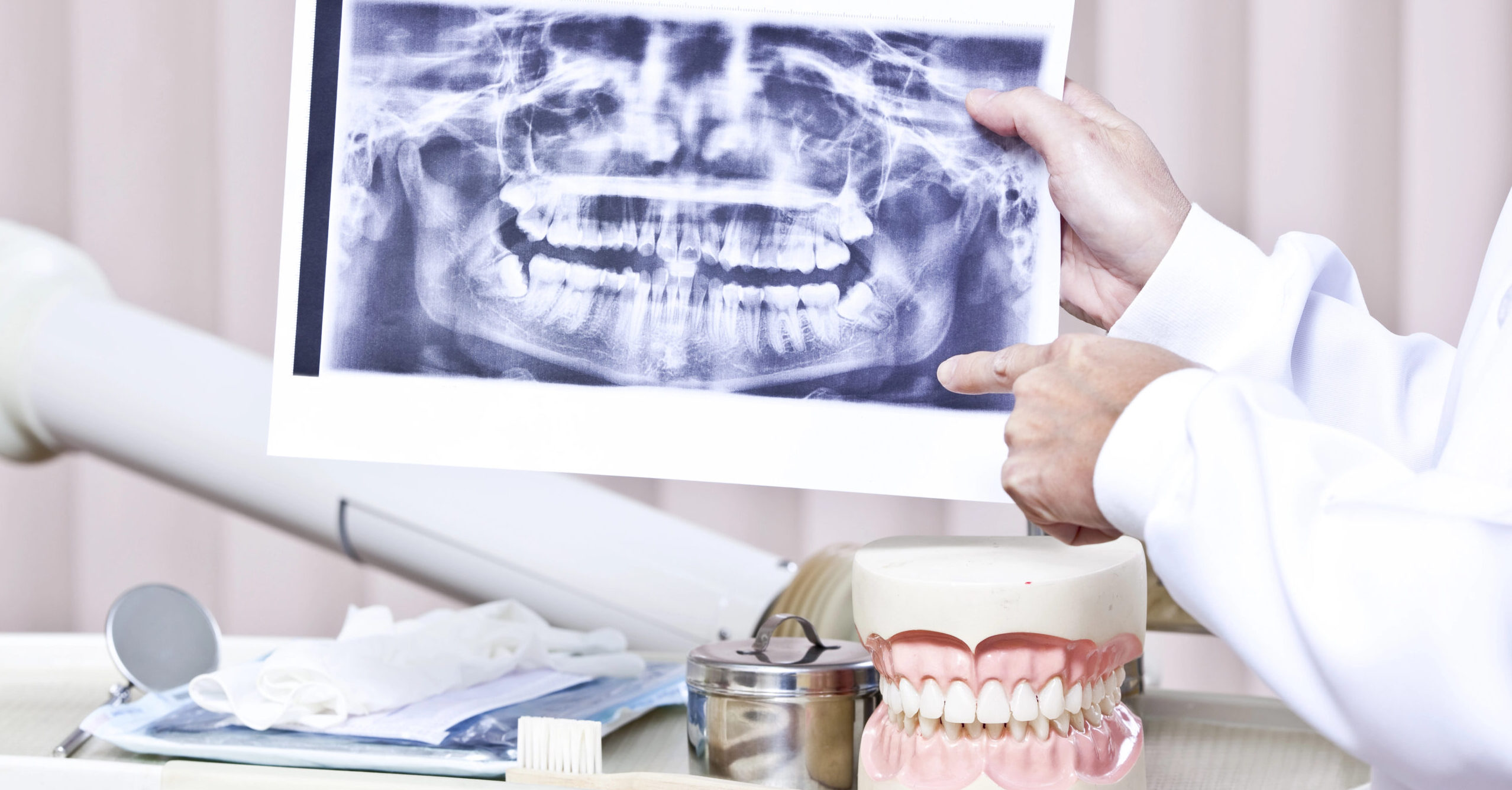
Orthodontic treatment is meant to improve comfort, function, and confidence. When the outcome falls short, it can be challenging to know whether the result was unavoidable or whether something went wrong during planning, delivery, or monitoring.
Faulty orthodontic treatment claims often arise when similar problems affect many people, suggesting patterns rather than isolated experiences. Learning about these patterns can help individuals make sense of what happened to them and decide whether they want to explore their options further. Gaining information does not mean taking legal action. It simply allows people to make informed choices.
Our role is to provide clear, accessible information and tools. We help people understand how personal experiences may connect to wider group claims, without pressure and without expectation.
If your orthodontic treatment did not go as planned, you may find it helpful to see whether others have reported similar issues. We, in LegalClaimPro, offer a free eligibility checker that helps you understand whether your experience could be relevant to an existing or potential dental negligence group claim.
There is no cost to use the checker and no obligation to take things further. It is simply a way to gain clarity and explore your options at your own pace.
You can check your eligibility in just a few minutes and decide what, if anything, you would like to do next.
A group claim enables individuals with similar dental issues to join forces and pursue legal action collectively. This collaboration can make the process more transparent, faster, and more affordable than going it alone.
Not always. Claims often involve poor results, ongoing pain, or financial loss—even if there was no major injury.
Most group claims don’t go to court. Parties resolve many through settlements. If the claim does go to court, your legal team will guide you.
There are no upfront costs to check eligibility through LegalClaimPro. If you qualify, you’ll connect with experts who can explain any fees before you proceed.
You don’t need much. Just have some basic details ready, such as the name of your dental provider and the dates of your treatment. Any notes or photos are a bonus.
Legal and Consumer Guidance Notice
The content on this page is provided by LegalClaimPro Limited, a company registered in England and Wales, with registration number 16907238. It is intended for general informational purposes only and is written for UK consumers seeking to understand group and class action claims. LegalClaimPro does not offer legal advice, and no lawyer-client relationship is created by viewing or interacting with this content. While we aim to keep our information accurate and up to date, readers should seek qualified legal guidance for advice specific to their situation. LegalClaimPro accepts no liability for actions taken based on this content.
Please note: LegalClaimPro is a trading name of Mediatasks Limited, a company registered in England and Wales, with number 08556369, and registered office at 9 The WorkStack, 599 Woolwich Road, London SE7 7GS. We are not a law firm. We connect individuals with law firms for group claims and may receive a fee from these firms.
We do not charge consumers or provide legal advice. We are not responsible for the advice given by any firm we connect you with. Information on this site is for general purposes only and should not be considered legal advice. Professional legal advice should always be sought independently. By using this site, you agree to this. If you disagree, please do not use our site. For Free Legal Advice, visit the Law Society website, the independent professional body for solicitors in England and Wales.
