In hospitals, medical tools must be completely clean and free from harmful germs. This is called sterilisation. It’s a basic but crucial step to keep patients safe during surgeries and treatments. If sterilisation doesn’t happen the right way, the results can be serious.
When patients become ill due to contaminated equipment, this constitutes a form of medical negligence. It means that a hospital or healthcare worker failed to do what they were supposed to, and someone got hurt as a result.
People can develop infections while in the hospital, which may lead to longer recovery times, additional medical procedures, or even long-term health issues. In some cases, many patients become ill simultaneously, which raises significant concerns about hospital safety.
At LegalClaimPro, we shine a light on important issues like this. We help people understand how medical negligence can lead to group legal claims, and what steps to take if you or someone you love has been affected.
Sterilisation is how hospitals make sure that medical tools are completely clean and safe to use. It removes all harmful germs, such as bacteria and viruses, preventing them from spreading inside the body during surgery or treatment. Doctors and nurses usually use steam, special chemicals, or radiation to clean the equipment properly. Even a tiny amount of contamination can lead to serious infections or other health problems.
When hospitals don’t follow the correct sterilisation steps, it’s not just a mistake; it can be considered medical negligence. This means that someone didn’t perform their job correctly, and a patient was harmed as a result. If this has happened to you or someone you care about, you might not be alone. Many people are affected by unsafe medical care, and in some cases, there may be a group legal claim you can join.
Find out if you may be part of a medical negligence group action. We’ll guide you through the next steps in plain English, free of charge and with no pressure. It’s easy to check, and could help you take back control after being let down by the healthcare system.
When medical tools aren’t properly cleaned, dangerous germs can enter a person’s body. This may be considered medical negligence if proper cleaning steps were not followed. It has been linked to infections after surgery, including those caused by Staphylococcus bacteria, which can result in swelling, slow-healing wounds, or bloodstream infections. Some types of bacteria, such as MRSA, are particularly concerning because they don’t respond well to antibiotics.
In the worst cases, these infections can turn into sepsis, a full-body reaction that can damage organs or even become life-threatening. Breathing machines and other hospital equipment, if not sterilised, can also cause lung infections like pneumonia, making people stay in hospital much longer.
One of the most shocking examples of medical negligence is when viruses such as hepatitis B, hepatitis C, or even HIV are spread through reused needles or tools that weren’t cleaned properly.
If you or someone you know became ill after receiving hospital care, it may be a result of medical negligence, and you may not be the only one. At LegalClaimPro, we help people determine if they’ve been affected and if a group claim is available for them to join. It costs nothing to check, and it could be the first step toward asserting your rights. Click below to see if a medical negligence group action is open to you.
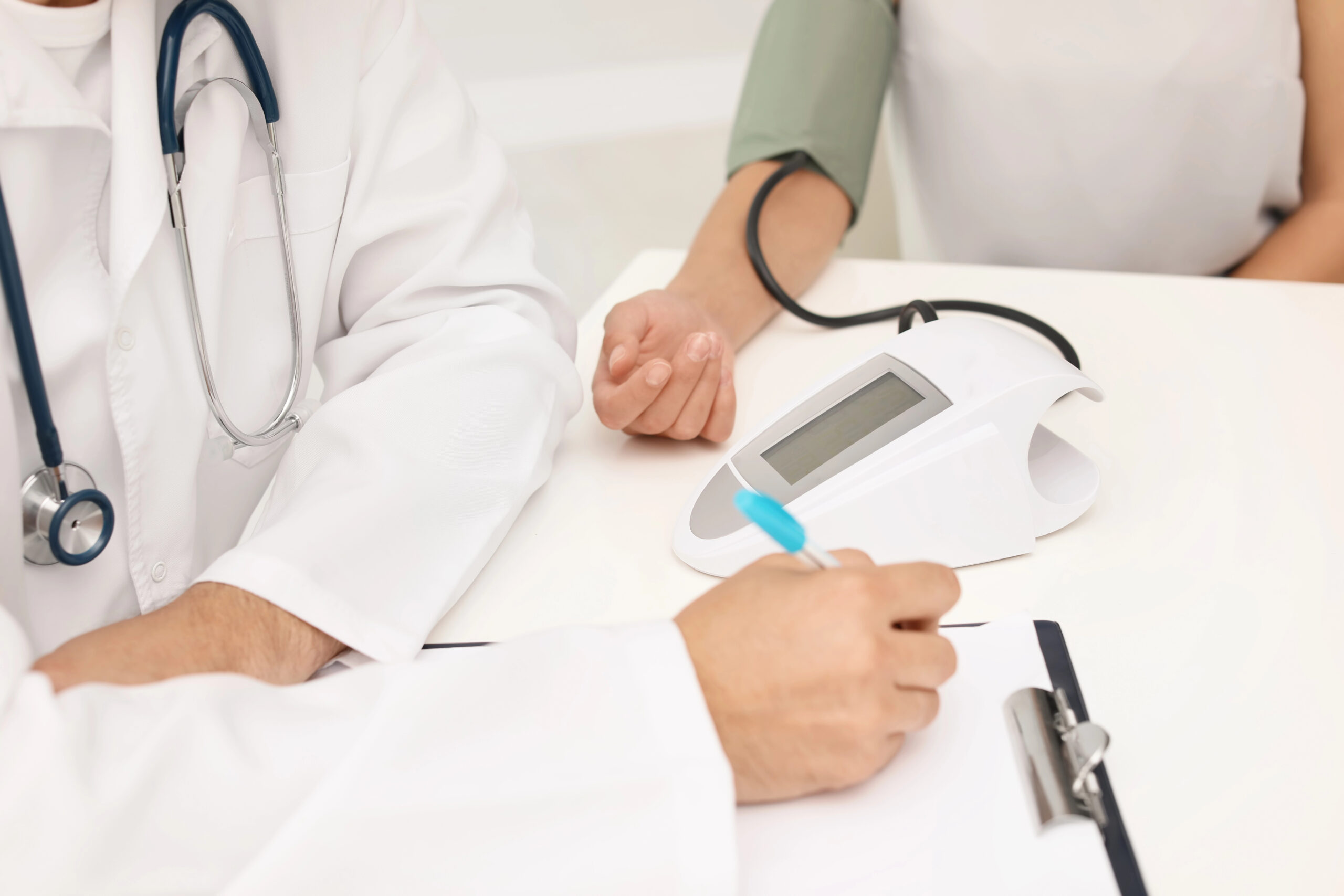
When hospitals or clinics don’t clean their tools properly, patients can become seriously ill. This kind of mistake may point to medical negligence, notably if the hospital failed to follow essential sterilisation procedures. During surgery, dirty instruments like scalpels or clamps can let harmful germs into the body.
Even a small amount of contamination can lead to infections that prolong recovery, increase pain, and significantly increase the cost. In some cases, these infections turn into sepsis, which is extremely dangerous and can even be life-threatening.
Other medical tools, such as endoscopes and catheters, are used to access deep inside the body. If they aren’t cleaned correctly between patients, they can carry germs straight into the lungs or stomach.
These kinds of infections may suggest that safety protocols were not followed correctly, which could raise concerns about medical negligence. Even dental clinics have had problems when tools weren’t properly sterilised, putting patients at risk of catching viruses like hepatitis from other people’s blood or saliva.
One of the most serious concerns arises when used needles or syringes are reused without proper cleaning, which may lead to medical negligence if it results in harm to patients. There have been reported cases where reused equipment has contributed to the spread of serious viruses such as HIV or hepatitis, sometimes in situations where clinics lacked proper resources or oversight. When someone becomes seriously ill due to unsafe equipment, it can lead to long-term health effects and significant life changes.
If you’ve been made ill after a medical procedure or dental visit, it could be due to medical negligence, and you may not be the only one. We start your eligibility check today and see if you could be part of a group claim.
We can help you find out if there’s a group claim you can join. We explain everything in simple language, and there's no cost to check. Click below to see if you're eligible to enter a medical negligence group action today.
When sterilisation breaks down, the impact on patients can be profound. Even what begins as a routine procedure may turn difficult, with infections at surgical sites causing fever, pain, and longer recovery times.
Sometimes, you must seek additional treatments or follow-up surgeries, which can stretch hospital stays and increase the strain on patients and their families.
For others, the effects can be more serious. Infections that spread into the bloodstream or lungs can quickly overwhelm the body, sometimes requiring urgent medical attention and extended care. These situations test patients' resilience and place heavy demands on vulnerable healthcare systems.
There are also cases where exposure leads to long-term conditions. Viruses such as hepatitis or HIV, when transmitted through contaminated instruments, may remain in the body indefinitely and require lifelong management. For those affected, the experience often becomes an ongoing reminder of what should have been a preventable lapse.
In the most challenging situations, the damage leaves a lasting mark. Severe infections can lead to complications that affect organs or nerves, ultimately impacting independence and quality of life. Families, too, bear the weight of adjusting to the emotional and financial consequences of a loved one's changed circumstances.
The psychological impact can also be profound. Patients who survive infections linked to medical equipment often experience anxiety, trauma, and a loss of confidence in healthcare providers. Some may avoid seeking medical treatment in the future out of fear, which can worsen unrelated health conditions.
The erosion of trust between patients and medical providers can have a lasting societal impact, as communities become wary of medical institutions meant to safeguard their health.
Improper sterilisation practices often lead to questions of accountability. When healthcare providers do not follow sterilisation standards, it poses a serious risk to patient safety and may lead to concerns about medical negligence.
Hospital staff failing to follow established sterilisation protocols can introduce serious risks to patients. Something as simple as skipping a step in the cleaning cycle, using improper disinfectants, or mishandling sterile equipment can result in contamination.
Mistakes become more likely in high-pressure healthcare facility environments, where hospital staff may be overworked or rushed. However, these lapses have devastating consequences for patients who trust the facility. In many reported cases, investigations have shown that avoidable human mistakes directly contributed to infection outbreaks.
Insufficient knowledge of proper cleaning techniques can create systemic problems within a healthcare setting.
If inadequately trained medical staff handle sterilisation protocols, they may unknowingly cut corners or perform tasks incorrectly. This situation commonly occurs in facilities where new employees get demanding roles without receiving thorough instruction.
Training deficiencies can also result in staff misunderstanding the differences between disinfection and sterilisation, leading to the reuse of improperly treated equipment. When infections occur under these conditions, questions arise about whether the facility invested enough in staff education and patient safety.
Hospitals lacking oversight, proper equipment maintenance, or adherence to infection control guidelines pose one of the most serious threats to patient safety.
Sometimes, sterilisation machines may not be adequately calibrated or replaced when they become outdated, reducing their effectiveness.
Without routine audits and strict enforcement of sterilisation policies, entire departments may develop unsafe practices. Institutional medical negligence can be more damaging than individual mistakes because it suggests a systemic disregard for safety.
When many patients suffer under such conditions, it points to a broader organisational breakdown rather than isolated incidents. Depending on the circumstances, some patients may consider exploring legal options, including filing malpractice claims.
Although hospitals and clinics are responsible for ensuring that medical tools are completely clean, patients can still take small steps to feel safer. Some people ask their doctors how the equipment is cleaned before a surgery or a test.
This can help ensure the hospital is following the correct rules for sterilisation. When medical teams take time to explain their process, it can build trust and help patients feel more confident about their care.
People may also want to check if a hospital or clinic has official safety approval from a health organisation. This approval is known as accreditation, which means the facility has undergone a review to ensure it meets proper health and safety standards.
While this can be a good sign, it does not always guarantee that everything is done correctly. Sadly, even in approved hospitals, medical negligence can still happen if rules are not followed properly.
Some types of medical procedures are more likely to cause infections if equipment is not sterilised the right way. Surgeries, catheter use, and tests that go deep inside the body all carry higher risks. That is why strict cleaning and sterilisation are so important. If these steps are skipped or rushed, the risk of infection increases, and this can lead to serious health problems resulting from medical negligence.
In some places, local health reports show which hospitals have higher infection rates. This information can help people choose where to receive care, especially if they are undergoing a procedure that carries a higher risk. Still, patients can only do so much to protect themselves. When infections occur because hospitals fail to follow cleaning protocols, it is not the patient's fault. That is a serious case of medical negligence.
If you or someone you know became ill after a medical treatment and thinks poor sterilisation may be the reason, it could be due to medical negligence. These cases are often not isolated, and other people may have been affected too.
We help people learn their rights and understand if they may be part of a group legal claim. We have resources you can read, and with us, it is simple and free to check. Click below to find out if you are eligible to join a medical negligence group action.
Sterilising medical tools properly is one of the most important ways to keep patients safe. National health organisations and public safety groups establish the rules that hospitals must follow to ensure equipment is cleaned correctly.
These groups provide step-by-step guidance on how to wash, check, and handle tools to prevent the spread of infection. When hospitals fail to follow these rules, it can lead to serious mistakes, including cases of medical negligence.
In England, the Care Quality Commission (CQC) is responsible for ensuring that hospitals and clinics adhere to proper safety standards. The CQC visits various health and care settings to assess their performance and ensure they are protecting patients. If a hospital is not meeting safety standards, the CQC can step in and demand changes. These inspections are designed to prevent accidents and minimise the likelihood of medical negligence occurring in the first place.
The rules set by regulators often include measures such as testing sterilisation machines, ensuring staff are adequately trained, and maintaining clear systems for handling used tools. These checks are in place to ensure that hospitals are not taking shortcuts. When a hospital doesn’t follow these rules, it puts patients at risk. Medical negligence can occur when staff are not adequately trained or when the correct tools are not used correctly.
Families and patients should feel comfortable asking how a hospital maintains cleanliness and safety. Understanding how these safety protocols work can help individuals make more informed choices about their care. However, even when people ask the right questions, medical negligence can still occur if hospitals fail to fulfil their responsibilities. When that happens, it is not the patient's fault.
If you or someone close to you became ill after treatment and you think it was caused by poor cleaning or sterilisation, it may be due to medical negligence. You might not be the only one affected, and in some cases, there could be a group legal claim you can join.
At LegalClaimPro, we help people understand their rights in plain language and offer support every step of the way. It’s quick, free, and easy to check. Click below to see if you qualify for a medical negligence group action today.
When unsterilised medical equipment causes infections, it is rarely an isolated issue. More than one patient is often affected, which is where group or class action claims may come in. These legal processes enable individuals with similar experiences to come together, strengthening their collective position and making systemic issues more challenging to ignore.
By joining as a group, patients can highlight broader concerns rather than presenting them as one-off mistakes. This approach can draw attention to recurring failures within a healthcare setting, whether through gaps in sterilisation protocols, limited staff training, or a lack of routine oversight.
Alongside legal avenues, patients or families can report unsafe practices directly to public health authorities or hospital safety boards. Reporting systems are generally in place to help protect patients and reduce the risk of further infections. In this way, individual action can contribute to broader improvements in healthcare safety.
Group claims and formal reporting channels can raise awareness of systemic problems and encourage safer practices within medical institutions.
Medical negligence from unsterilised equipment is a hidden danger in hospitals, clinics, and dental offices. It has led to painful infections, long recovery times, and lasting health problems for many patients. These are serious lapses in care that can have significant consequences for patients and may point to deeper safety concerns within a healthcare setting.
When hospitals and healthcare workers fail to follow proper cleaning procedures, patients often pay the price. Even a single mistake in the cleaning process can lead to health problems that affect someone’s life in a lasting way. This kind of medical negligence can also raise legal questions, especially if safety rules were ignored or systems failed.
At LegalClaimPro, we help individuals understand their rights when medical negligence has affected them or their loved ones. If you’ve been harmed by unsafe medical care, you may not be alone, and you might be able to join a group claim.
Medical negligence happens when a hospital or healthcare worker fails to follow proper safety rules and causes harm. If unsterilised medical tools are used and a patient becomes ill, it can be considered medical negligence because the infection was preventable.
Common signs include fever, swelling, redness, or discharge around the treated area soon after surgery or treatment. These symptoms may point to an infection caused by poor sterilisation, which could be linked to medical negligence.
Yes, you can take legal action if you have suffered an infection or other harm due to unsafe medical equipment. This is a type of medical negligence, and if other patients were affected, you might qualify for a group claim.
Procedures such as surgeries, catheter use, and dental treatments have higher risks if tools aren’t fully sterilised. When hospitals or clinics fail to follow cleaning standards and patients become ill, it may be considered medical negligence.
We help people understand their rights and check if they can join a group claim. If you or someone you love has been affected by unsterilised equipment, it’s quick, simple, and free to see if you may qualify.
Legal and Consumer Guidance Notice
The content on this page is provided by LegalClaimPro Limited, a company registered in England and Wales, with registration number 16907238. It is intended for general informational purposes only and is written for UK consumers seeking to understand group and class action claims. LegalClaimPro does not offer legal advice, and no lawyer-client relationship is created by viewing or interacting with this content. While we aim to keep our information accurate and up to date, readers should seek qualified legal guidance for advice specific to their situation. LegalClaimPro accepts no liability for actions taken based on this content.
Please note: LegalClaimPro is a trading name of Mediatasks Limited, a company registered in England and Wales, with number 08556369, and registered office at 9 The WorkStack, 599 Woolwich Road, London SE7 7GS. We are not a law firm. We connect individuals with law firms for group claims and may receive a fee from these firms.
We do not charge consumers or provide legal advice. We are not responsible for the advice given by any firm we connect you with. Information on this site is for general purposes only and should not be considered legal advice. Professional legal advice should always be sought independently. By using this site, you agree to this. If you disagree, please do not use our site. For Free Legal Advice, visit the Law Society website, the independent professional body for solicitors in England and Wales.
